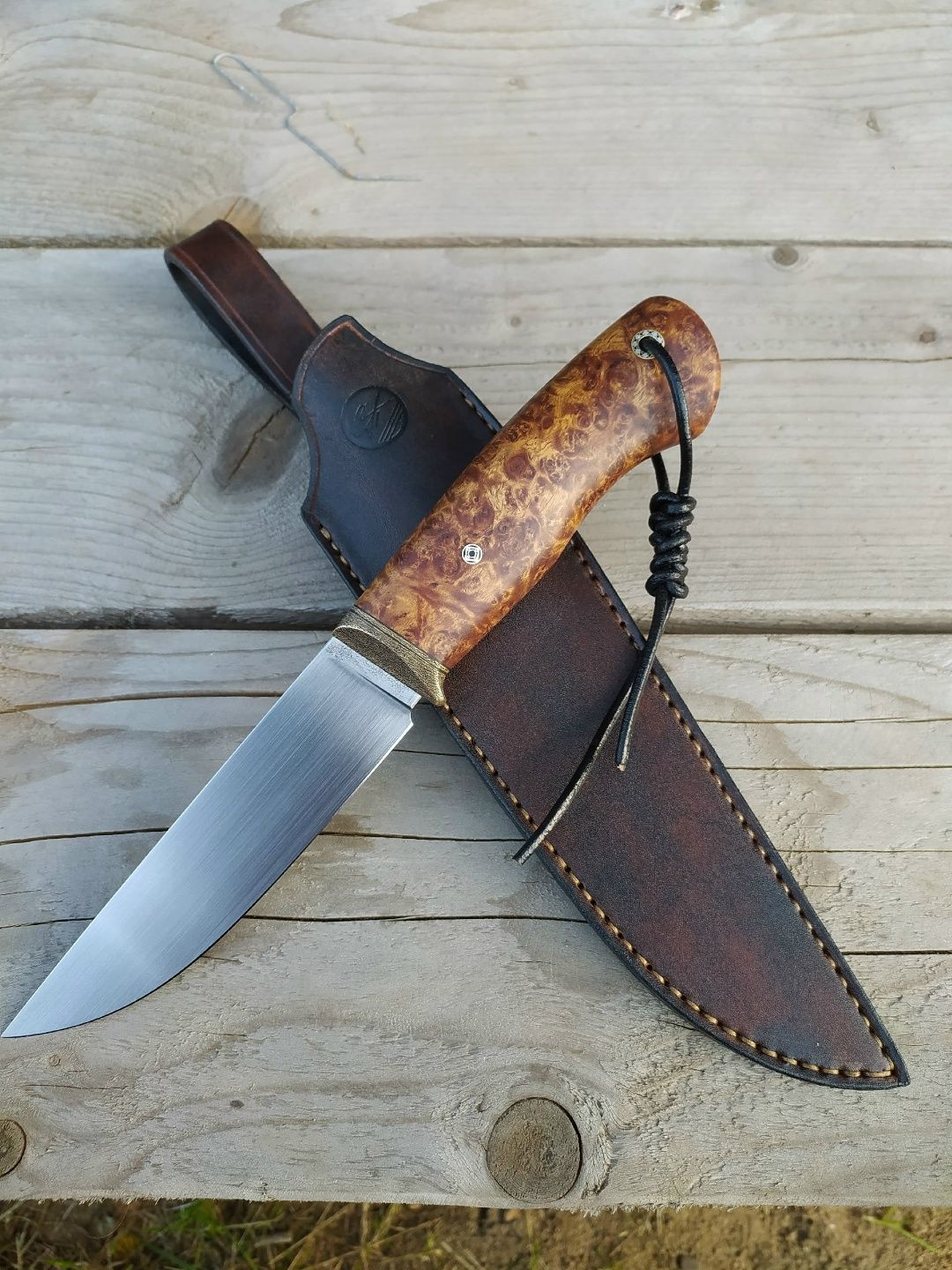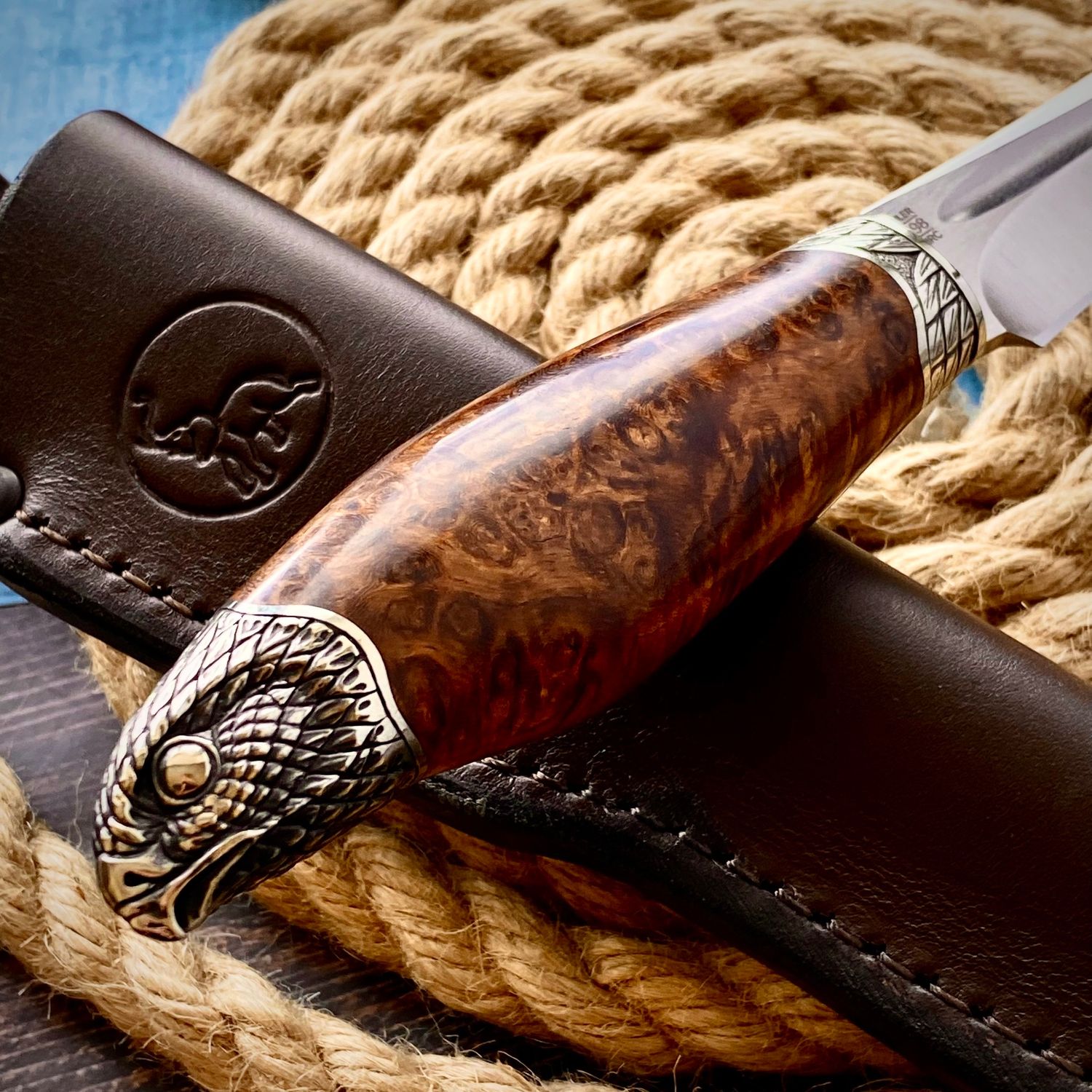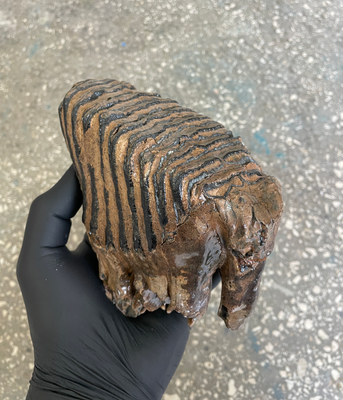
Whole Woolly Mammoth Tooth Fossils: Authentic Ice Age Specimens
09.22.2026
There are few objects that make the Ice Age feel as tangible as holding a real woolly mammoth tooth in your hands. A whole mammoth molar is not a replica or a modern reconstruction — it is an authentic natural specimen from an animal that lived thousands of years ago.
At FossilUSA, we offer genuine whole woolly mammoth teeth (Mammuthus primigenius) recovered from the permafrost region of Siberia, including Yakutia. Unlike our stabilized mammoth tooth blocks and knife scales, these specimens are kept essentially in their natural, whole form and are intended primarily for collecting, display, education and decoration.
Each tooth is different. Shape, size, preservation, enamel pattern, roots, color and natural cracks vary from specimen to specimen. Whenever possible, we select teeth with a high degree of structural completeness and clearly preserved characteristic mammoth molar plates.
What Is a Woolly Mammoth Tooth?
The enormous teeth of a woolly mammoth look very different from human teeth or the teeth of most other mammals.
Mammoths were herbivores adapted to eating large quantities of abrasive vegetation. Their molars developed numerous parallel enamel ridges that created an effective grinding surface. Research on mammoth evolution uses precisely these fossil molars - including characteristics such as crown height and the number of enamel grinding ridges - to study how mammoths adapted to increasingly tough, grass-based diets.
This distinctive construction is what gives a mammoth tooth its extraordinary appearance.
Looking at the chewing surface of a whole molar, you can see a sequence of repeating plates and ridges. Different layers of enamel, dentin and cementum create the striped, almost geological pattern for which mammoth tooth is known.
The same structure produces the spectacular patterns seen when stabilized mammoth tooth is cut into knife handle scales and blocks.
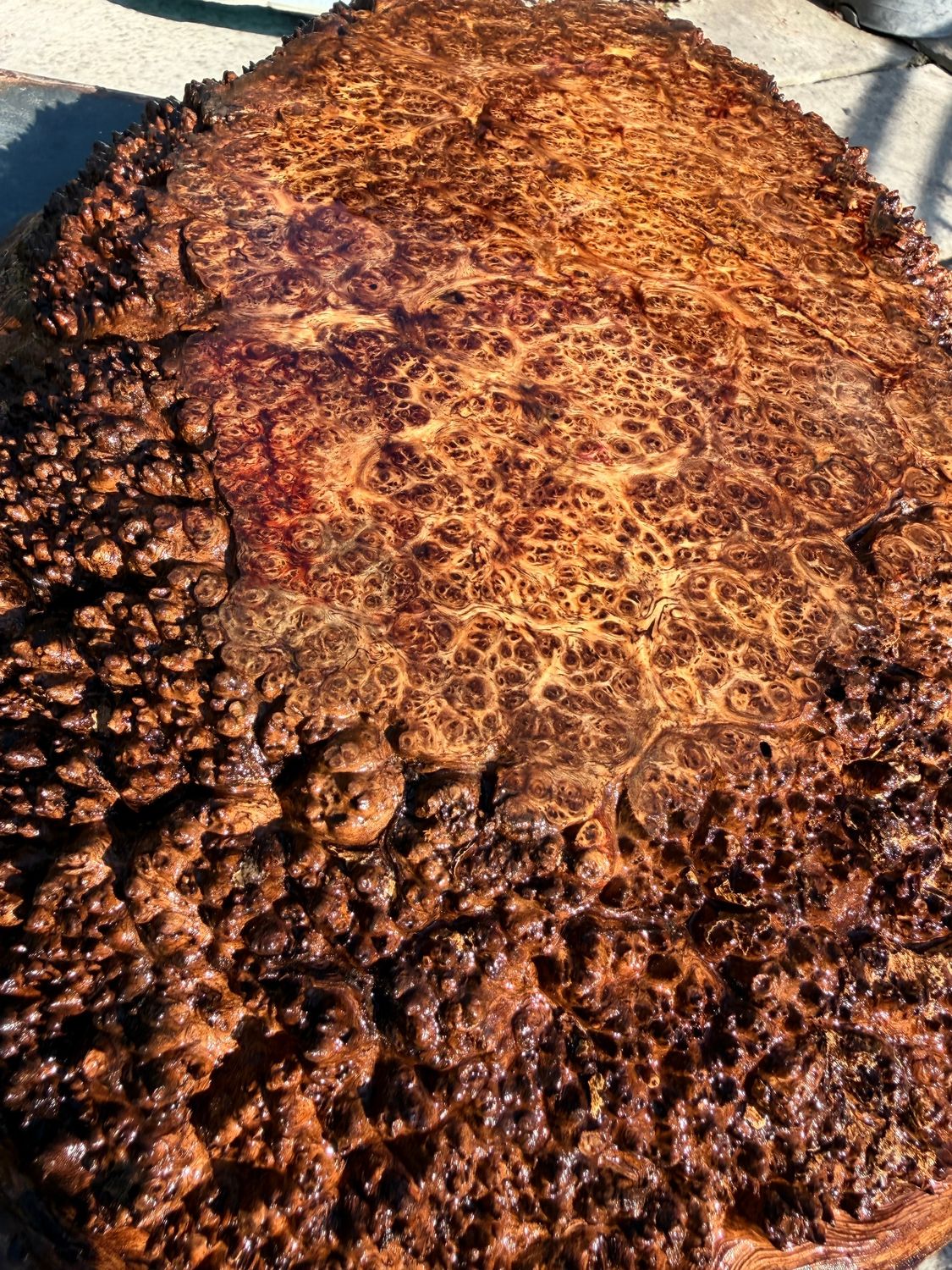
Real Mammoth Tooth vs. Stabilized Mammoth Tooth
This distinction is particularly important when buying mammoth material.
A whole natural mammoth tooth is primarily a fossil specimen. Its original shape, chewing surface and roots may remain visible. It is usually purchased for a collection, educational display or decoration.
A stabilized mammoth tooth, by comparison, has been impregnated with resin to reinforce the porous fossil structure. Stabilized material is much more appropriate when the tooth will be cut, ground, drilled and polished for knife handles, jewelry or other craft applications.
Commercial sellers make the same distinction. Natural specimens are specifically marketed as untreated or non-resin-stabilized display fossils, while stabilized mammoth molars are marketed as material that can be cut, drilled, sanded and polished.
The whole mammoth teeth offered in this FossilUSA category are not vacuum resin stabilized.
They are preserved as whole specimens and receive a protective surface coating intended to help protect the fossil and reduce the risk of cracking.
Why Are Mammoth Teeth So Interesting?
A mammoth tooth is both a fossil and an exceptionally sculptural natural object.
Unlike a small fossil fragment that may require explanation before someone understands what they are looking at, a large mammoth molar immediately attracts attention. Its size, weight and unusual grinding plates make it obvious that it belonged to an animal very different in scale from ourselves.
The Natural History Museum notes that fossil mammoth molars provide important information about mammoth evolution and adaptation to increasingly abrasive vegetation.
That makes a genuine molar interesting from several perspectives at once: paleontology, zoology, natural history, collecting and design.
Where Do Our Mammoth Teeth Come From?
The whole mammoth teeth offered by FossilUSA originate in Siberia, including the Yakutia region (Sakha Republic).
Permafrost regions of northern Eurasia are famous for preserving remains of woolly mammoths and other Ice Age animals.
Siberian mammoth molars are also regularly represented in the international fossil market, with specialist dealers documenting specimens originating in Yakutia and elsewhere in Siberia.
Natural mineralization and the conditions surrounding a tooth during thousands of years of burial can produce considerable differences in color.
For this reason, one mammoth tooth may be light brown, beige and cream, while another can be chocolate brown or almost black. These variations are part of the character of genuine fossil material rather than something that should be expected to look uniform.
What Can a Whole Mammoth Tooth Be Used For?
Most whole mammoth teeth are not purchased as raw material. Their greatest appeal is that the original fossil remains intact.
Fossil collection. A genuine woolly mammoth molar can become a centerpiece in a fossil, mineral, archaeological or natural-history collection. Specialist fossil dealers commonly describe complete and near-complete mammoth molars specifically as collector and display specimens.
Knife show or workshop display. For a bladesmith or knife maker, a whole mammoth tooth can provide context for finished work. Place the original fossil next to a knife made with stabilized mammoth tooth scales and customers can immediately see where the unusual handle pattern originated. It turns a material display into a piece of natural history.
Educational specimen. Mammoth teeth are excellent visual aids for lessons or exhibitions dealing with the Ice Age, paleontology, evolution and prehistoric mammals. Genuine or replica mammoth teeth are used in educational collections; for example, the Burke Museum includes mammoth tooth material among its fossil teaching resources.
Interior display. A well-preserved mammoth molar can also work as a natural-history decor object. A simple custom wooden base can turn the tooth into a freestanding display for an office, library, workshop or home collection.
This is not an unusual presentation: complete fossil mammoth teeth have historically been mounted on wooden bases for display, including examples sold through Christie's.
Gift for a fossil or paleontology enthusiast. For someone fascinated by fossils, archaeology, prehistoric animals or natural history, an authentic mammoth tooth is considerably more unusual than a conventional collectible.
Gift for a dentist. There is also a particularly fitting connection here: a giant prehistoric molar makes a memorable display piece for a dentist, dental office or dental professional interested in anatomy and natural history.
Mammoth Teeth and Knife Making
Knife makers may already recognize the characteristic striped pattern of mammoth tooth without ever having seen an entire tooth.
When a molar is cut across its layered structure, the alternating plates create the complex patterns visible in stabilized mammoth tooth knife scales.
However, an important distinction should be made:
we do not recommend buying a collectible whole untreated tooth simply because you need knife-handle material.
Raw fossil tooth can contain cracks, voids and fragile areas. Material intended for machining benefits from stabilization before extensive cutting and shaping.
For knife making, FossilUSA offers separately processed and stabilized mammoth tooth blocks and scales.
A good whole specimen has a different purpose: preserving and displaying the original anatomy of the mammoth molar.
Why Condition Matters When Choosing a Mammoth Tooth
Fossil mammoth teeth naturally vary considerably in preservation.
Some specimens retain extensive roots and an almost complete chewing surface. Others may have missing sections, substantial cracking, damaged roots or separated plates.
The collector market reflects these differences. Sellers frequently distinguish between ordinary examples, collector-grade teeth and particularly complete or “museum grade” specimens based partly on completeness, roots and overall preservation.
At FossilUSA, we try to select the most complete specimens available to us, prioritizing:
• overall structural integrity;
• well-preserved enamel plates;
• recognizable chewing surfaces;
• preserved body and root structure;
• fewer major cracks and missing sections;
• attractive natural coloration;
• a shape that displays well.
Minor cracks, chips, color variations and irregularities should nevertheless be expected. They are natural characteristics of ancient fossil material.
Every Mammoth Tooth Is One of a Kind
No two fossil mammoth teeth are identical.
Their proportions depend on factors including the individual animal and the particular tooth, while thousands of years of preservation affect coloration and condition.
This is why individual fossil dealers frequently sell mammoth molars as one-of-a-kind specimens and photograph the actual tooth being offered, rather than using a generic product photograph.
We follow the same principle at FossilUSA for unique fossil materials: the appearance of the individual specimen matters.
When selecting a tooth, look carefully at its photographs, dimensions, color, completeness and visible natural cracks.
How Should You Display a Whole Mammoth Tooth?
One of the simplest options is a custom wooden stand.
A woodworker can make a small base shaped specifically for the bottom of your specimen. Dark walnut, oak, ebony-colored wood or a simple minimalist hardwood base can work particularly well because it visually separates the fossil from the surface underneath it.
A stand also allows you to choose which part of the specimen is emphasized: the chewing surface, root structure or side profile.
Large fossil dealers sometimes offer mammoth teeth with custom stands, and mounted mammoth teeth have long been used as decorative natural-history objects.
For a more museum-like presentation, add a small label:
Woolly Mammoth
Mammuthus primigenius
Pleistocene
Siberia - Yakutia
That simple presentation can transform the specimen into a striking natural-history display.
How Do You Care for a Natural Mammoth Tooth?
Although a fossil mammoth molar may feel extremely hard, ancient tooth material should still be treated carefully.
Avoid dropping or striking it, and support larger specimens securely when moving them. Avoid locations with strong heat, direct sunlight, excessive moisture or rapid environmental changes.
This is especially relevant for natural, non-resin-impregnated material. Other fossil sellers similarly advise keeping preserved mammoth molars away from direct sunlight and heat sources, while specialist care guidance warns about large changes in humidity and temperature.
FossilUSA whole teeth are given a protective surface coating to help reduce deterioration and cracking, but this should not be confused with full vacuum resin stabilization.
How Old Is a Woolly Mammoth Tooth?
Woolly mammoths lived during the Pleistocene and survived into the Holocene in some isolated populations. Individual commercial specimens are sometimes assigned approximate ages when sufficient provenance exists, but an exact age cannot responsibly be determined merely by looking at a tooth.
For that reason, FossilUSA does not assign an exact number of years to an individual specimen unless reliable information supporting that age is available.
The scientifically safe description is that these are Pleistocene woolly mammoth fossils.
Frequently Asked Questions About Whole Mammoth Teeth
Can you buy a real mammoth tooth?
Yes. Genuine fossil mammoth molars are sold internationally by fossil and natural-history dealers. Buyers should distinguish authentic fossils from inexpensive resin replicas, which are also widely sold.
Are FossilUSA whole mammoth teeth real?
Yes. The specimens in this category are genuine fossil woolly mammoth teeth (Mammuthus primigenius) sourced from Siberia.
Are these mammoth teeth stabilized?
No. These whole specimens are not vacuum resin stabilized like FossilUSA mammoth tooth knife scales and blocks. They retain their natural fossil structure and receive a protective surface coating to help reduce cracking.
Is the tooth in the photograph the tooth I receive?
For individually listed FossilUSA specimens, the product photographs represent the specific piece offered for sale. Because every fossil tooth differs in shape, color and preservation, this is particularly important when choosing a specimen.
Why does a mammoth tooth have so many ridges?
The ridges are part of the mammoth molar's specialized grinding structure. Woolly mammoths consumed abrasive vegetation, and their high-crowned molars contained numerous enamel grinding ridges adapted for processing that food.
How big is a mammoth tooth?
Size varies considerably depending on the tooth and animal. Large adult woolly mammoth molars offered by fossil dealers can exceed 25 cm (about 10 inches) in length, while smaller and juvenile specimens can be substantially smaller.
What color is a real mammoth tooth?
There is no single correct color. Genuine specimens can show cream, tan, caramel, brown, dark brown and nearly black coloration, along with other mineral-related tones. Burial environment and preservation contribute to these differences.
Can I use a whole mammoth tooth to make knife scales?
Technically a tooth can be processed, but an untreated collectible specimen is not the ideal starting material. Fossil tooth can be brittle and contain internal cracks. For knife making, we recommend properly stabilized mammoth tooth blocks or scales designed for cutting, grinding and polishing.
What is a whole mammoth tooth good for?
Whole teeth are primarily purchased for fossil collections, natural-history displays, educational exhibits, interior decor and as unusual gifts. They are also particularly interesting display pieces for knife makers who work with stabilized mammoth tooth.
Is a mammoth tooth a good gift?
For someone interested in fossils, paleontology, archaeology, natural history or the Ice Age, it can be an exceptionally unusual gift. A whole fossil molar can also make an interesting professional gift for a dentist or dental office.
How should I display a mammoth tooth?
It can be displayed horizontally in a cabinet or placed on a custom wooden or metal stand. A small identification plaque with the species, geological period and origin creates a museum-style presentation.
Where are FossilUSA mammoth teeth found?
Our current whole woolly mammoth tooth specimens originate from Siberia, including the Yakutia region.
Where to Buy a Real Woolly Mammoth Tooth
When buying a mammoth tooth, look beyond size alone.
Consider the completeness of the chewing surface, preservation of the roots, major cracks or missing sections, natural coloration, dimensions and whether the seller shows the actual specimen being offered.
At FossilUSA, we try to source well-preserved whole woolly mammoth teeth with strong visual character and as much of the original structure intact as possible.
For collectors, knife makers, educators and anyone fascinated by the Ice Age, a whole mammoth molar offers something that processed fossil material cannot: the opportunity to see and hold the original structure from which one of today's most distinctive fossil materials comes.
A knife handle made from mammoth tooth is beautiful.
A whole mammoth tooth beside it tells the story of where that material began.