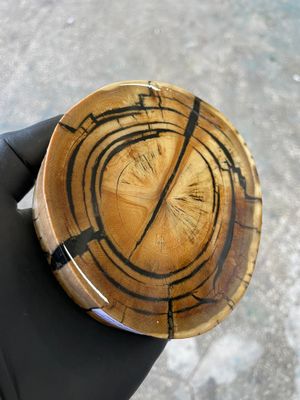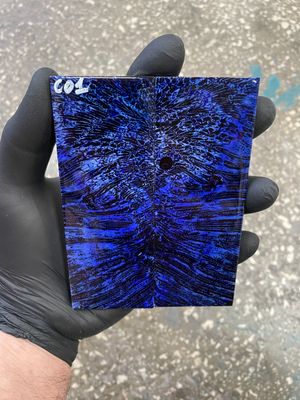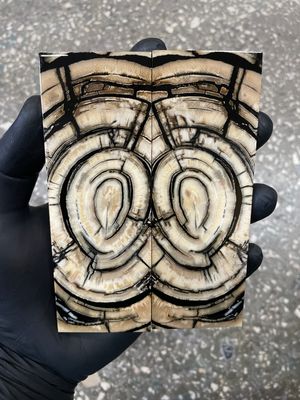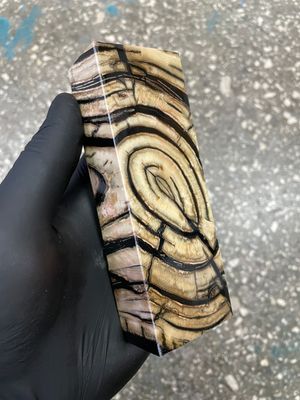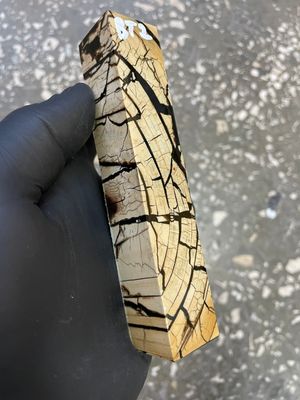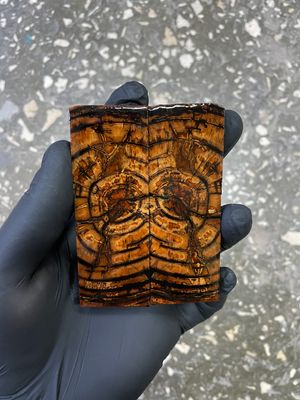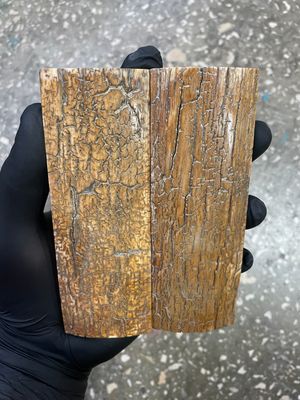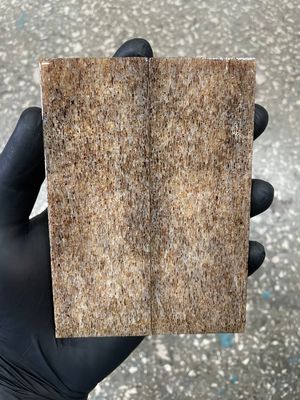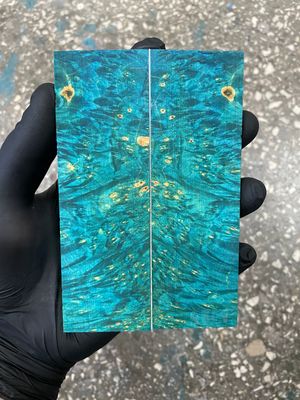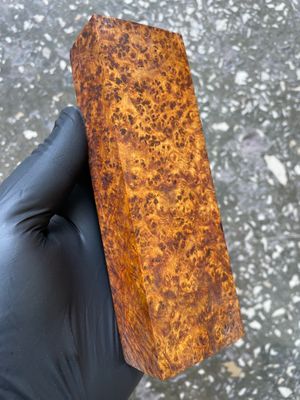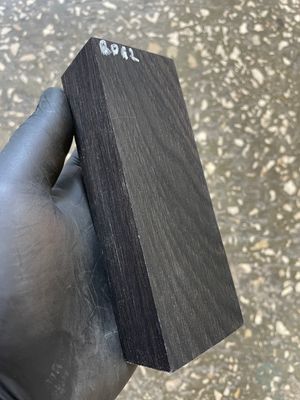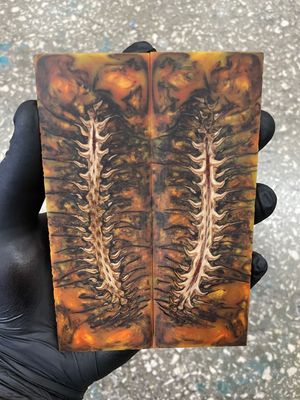
Stabilized Karelian Birch Wood for Knife Handles & Knife Scales
09.16.2026
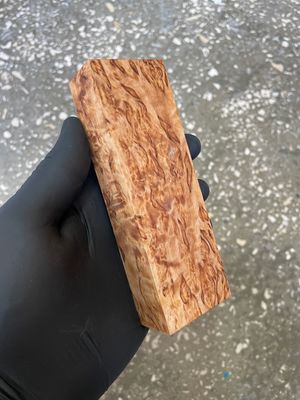
Stabilized Karelian Birch is one of the most distinctive natural woods available for custom knife handles. Also known as Curly Birch or Masur Birch, this unusual figured wood is famous for its swirling grain, flame-like patterns, and natural variation.
Unlike ordinary birch, Karelian Birch can display an exceptionally complex figure that looks almost like marble or flowing waves. After stabilization, the natural beauty of the wood is combined with improved dimensional stability and resistance to moisture, making it an excellent choice for modern custom knife handles and curly birch knife scales.
At FossilUSA, we select Karelian Birch blanks specifically for their visual character. We look for pieces with strong, highly figured grain and distinctive natural patterns rather than treating them as interchangeable pieces of wood.
And because every piece is natural wood, every blank is unique.
When you purchase a specific Karelian Birch blank from FossilUSA, you receive the exact piece shown in the product photos.
What Is Karelian Birch?
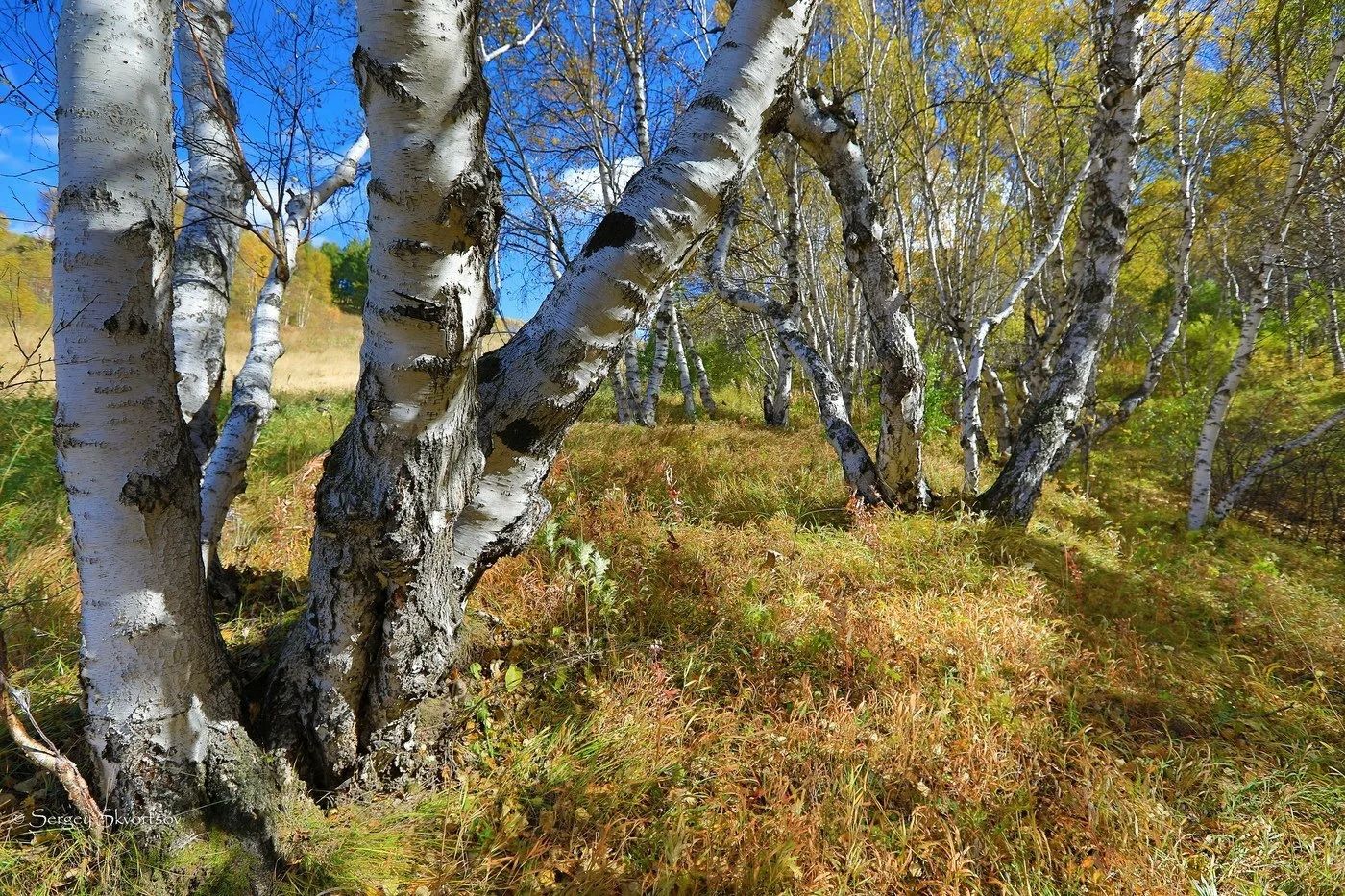
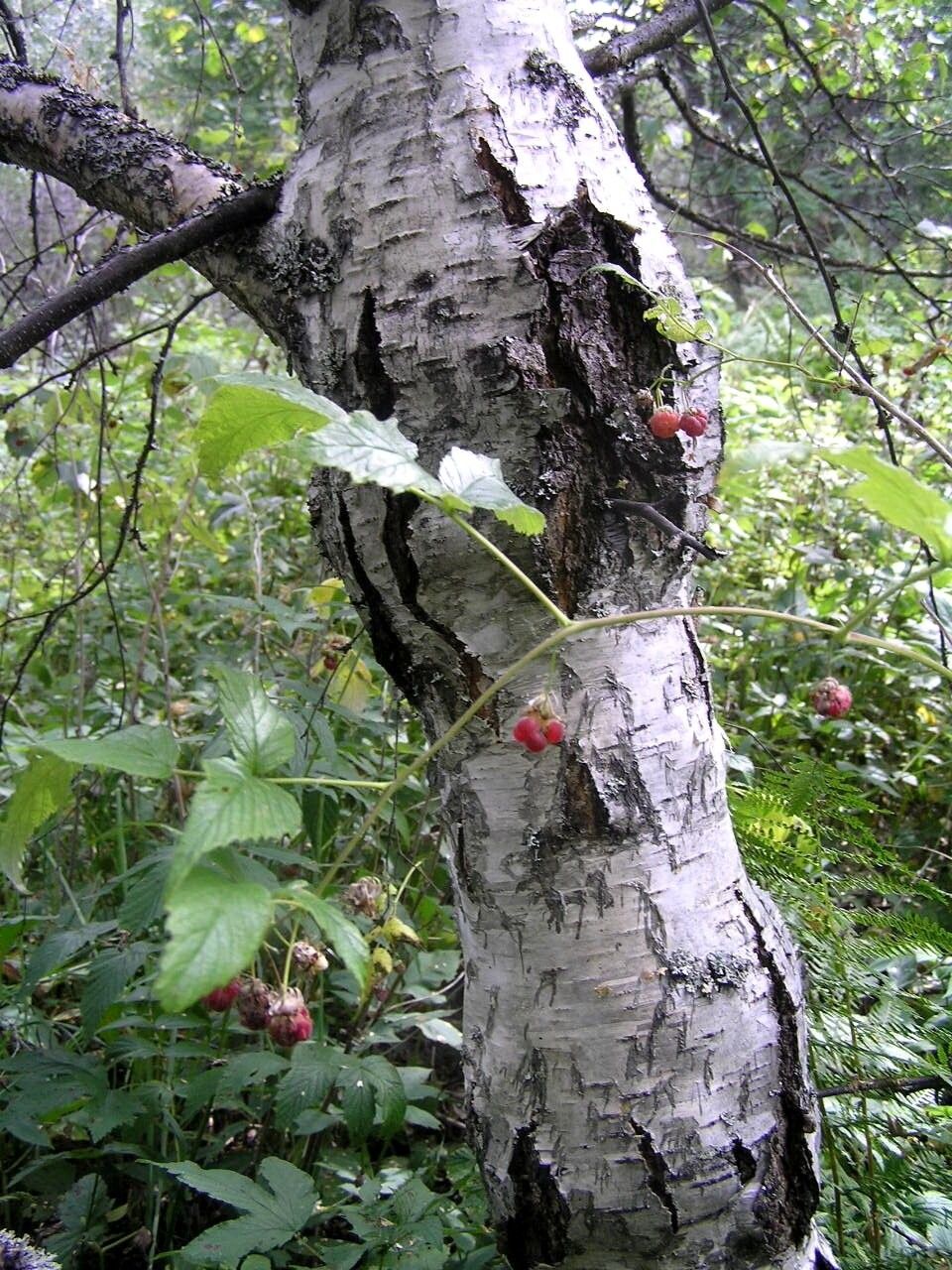
Karelian Birch is the common name used for a distinctive figured form of silver birch, botanically associated with Betula pendula var. carelica.
It is naturally associated with northern and northeastern Europe, including Finland, Karelia, the Baltic region, Belarus, Poland, Sweden, and Norway. Scientific research describes Curly or Karelian Birch as a special variety of silver birch known for its valuable figured wood.
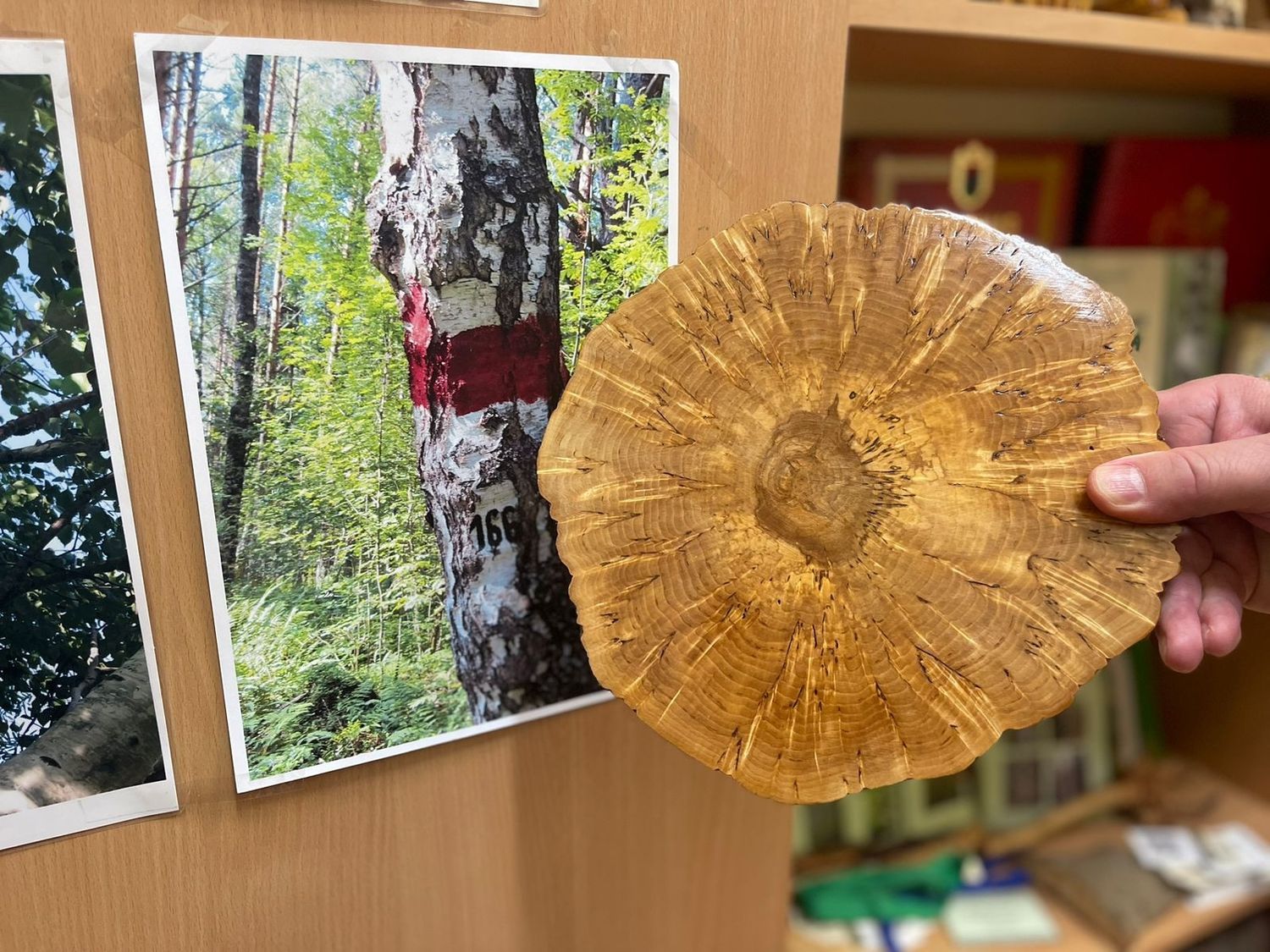
The characteristic appearance comes from the unusual structure and orientation of the wood fibers.
Instead of running in a relatively straight direction, the fibers can change direction throughout the wood. This produces the characteristic curly, wavy, flame-like figure that makes Karelian Birch so desirable.
The result is a piece of wood that can look completely different from ordinary birch.
Karelian Birch Wood: Why Is the Grain So Special?
The most recognizable characteristic of Karelian Birch wood is its figured grain.
Depending on the individual piece, you may see:
• Curly grain
• Flame-like patterns
• Waves and swirls
• Darker figure lines
• Light and dark contrast
• Burl-like patterns
• Silky chatoyance after finishing
Some pieces have a relatively subtle figure.
Others are covered almost entirely by dramatic patterns.
This variation is one of the reasons Karelian Birch is so attractive to knife makers and woodworkers.
You cannot simply manufacture an identical pattern.
The grain belongs to that particular piece of wood.
Scientific research has also demonstrated a strong genetic component behind the curly-wood characteristic and identified a genomic region associated with the trait.
Karelian Birch vs. Curly Birch vs. Masur Birch
These names can be confusing because they are often used interchangeably in the woodworking and knife-making market.
Karelian Birch
Karelian Birch is the name most strongly associated with the distinctive figured birch traditionally found in the Karelia and northern European region.
Curly Birch
Curly Birch describes the characteristic figured appearance of the wood.
The term is especially common in the knife-making world and in Finland, where curly birch has a long tradition as a handle material.
Masur Birch
Masur Birch is another widely used commercial name for birch with this unusual figured grain. The Wood Database notes that Masur Birch is not a separate birch species, but rather a grain figure commonly found in silver birch and downy birch. It is also commonly associated with the name Karelian Birch.
Are they actually different woods?
Not necessarily.
In commercial knife-making and woodworking terminology, Karelian Birch, Curly Birch, and Masur Birch can overlap considerably.
For the purposes of knife-handle materials, the important thing is not simply the name.
The important things are:
the actual wood, the quality of the figure, the dimensions, the stabilization process, and the individual piece you receive.
Stabilized Karelian Birch
Natural wood is hygroscopic, meaning that it can exchange moisture with the surrounding environment.
For a knife handle, this can be a consideration because changes in moisture can contribute to dimensional movement over time.
Wood stabilization is a process designed to address this problem.
During stabilization, a resin is introduced into the structure of dry wood. After curing, the resin remains within the wood and changes its physical behavior.
The result is a material that is generally more dimensionally stable and better suited to demanding applications such as knife handles.
For a knife maker, stabilization can offer several practical advantages.
Improved dimensional stability
Stabilized wood is less susceptible to moisture-related movement than untreated wood.
Better moisture resistance
The resin-filled structure reduces the amount of moisture that can penetrate the material.
Consistent machining
Stabilized wood can be cut, shaped, sanded, and polished like a premium handle material while retaining the appearance of natural wood.
Enhanced appearance
Stabilization and finishing can make the natural figure appear deeper and more pronounced.
The grain remains the star of the material.
Why Use Stabilized Curly Birch for a Knife Handle?
A knife handle has to perform two jobs.
It needs to be functional.
And it needs to look good.
Stabilized Curly Birch does both.
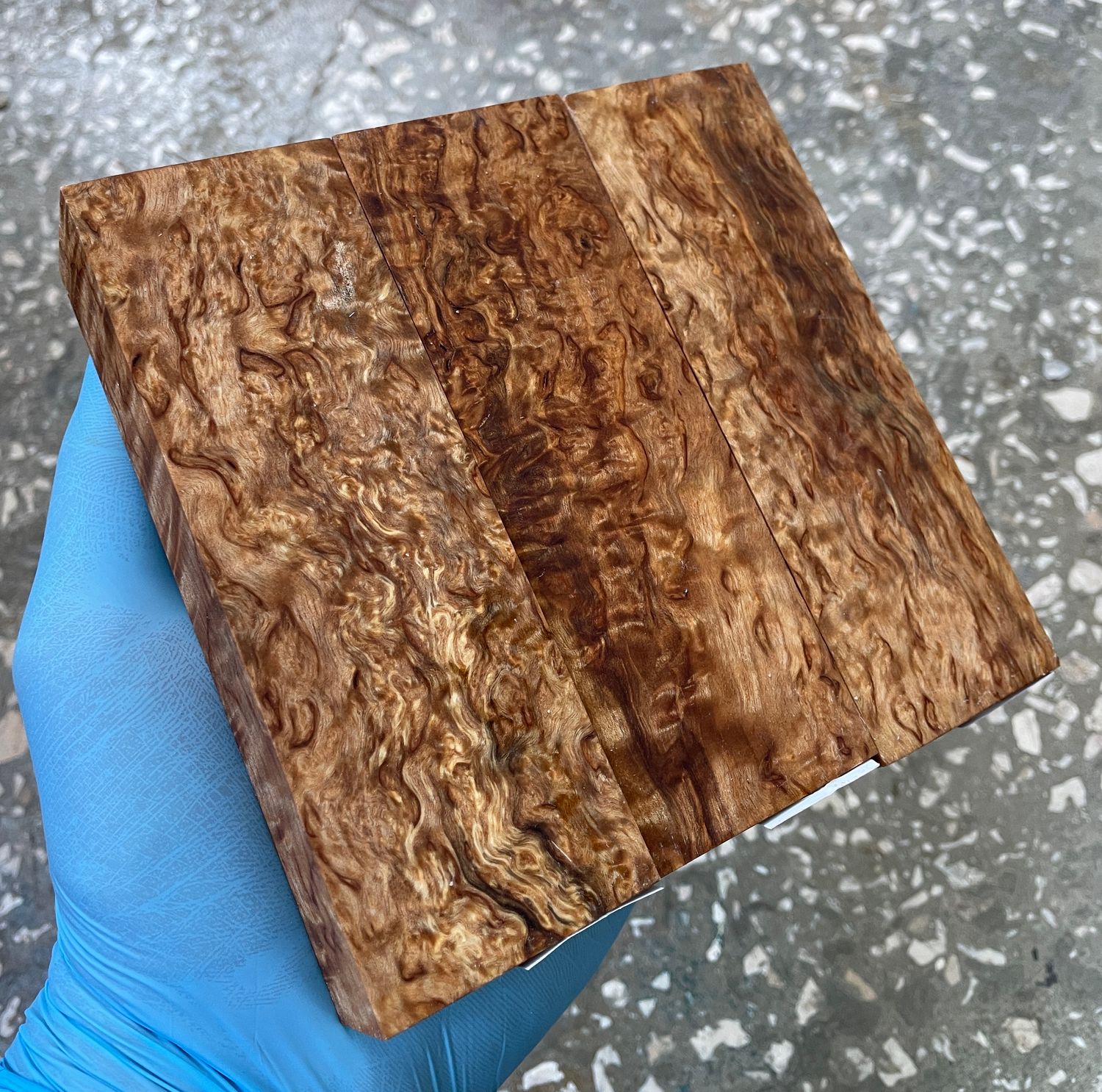
The natural figure gives the handle an appearance that cannot be reproduced exactly from one piece to another, while stabilization makes the material better suited to modern knife-making applications.
For custom knife makers, this combination is particularly attractive.
You get:
Natural wood character + unique figure + modern stabilization.
That is very different from using a completely uniform synthetic handle material.
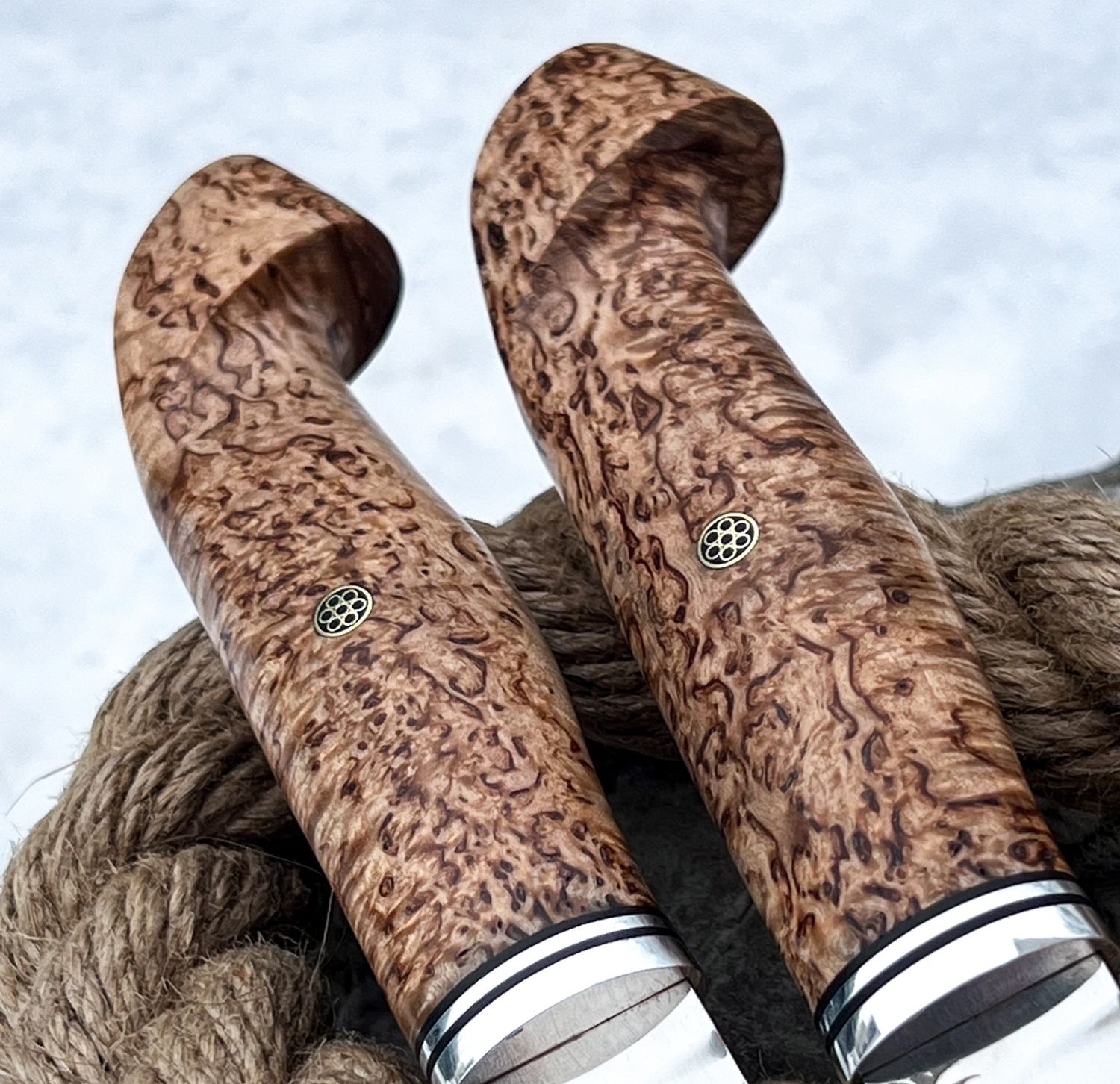
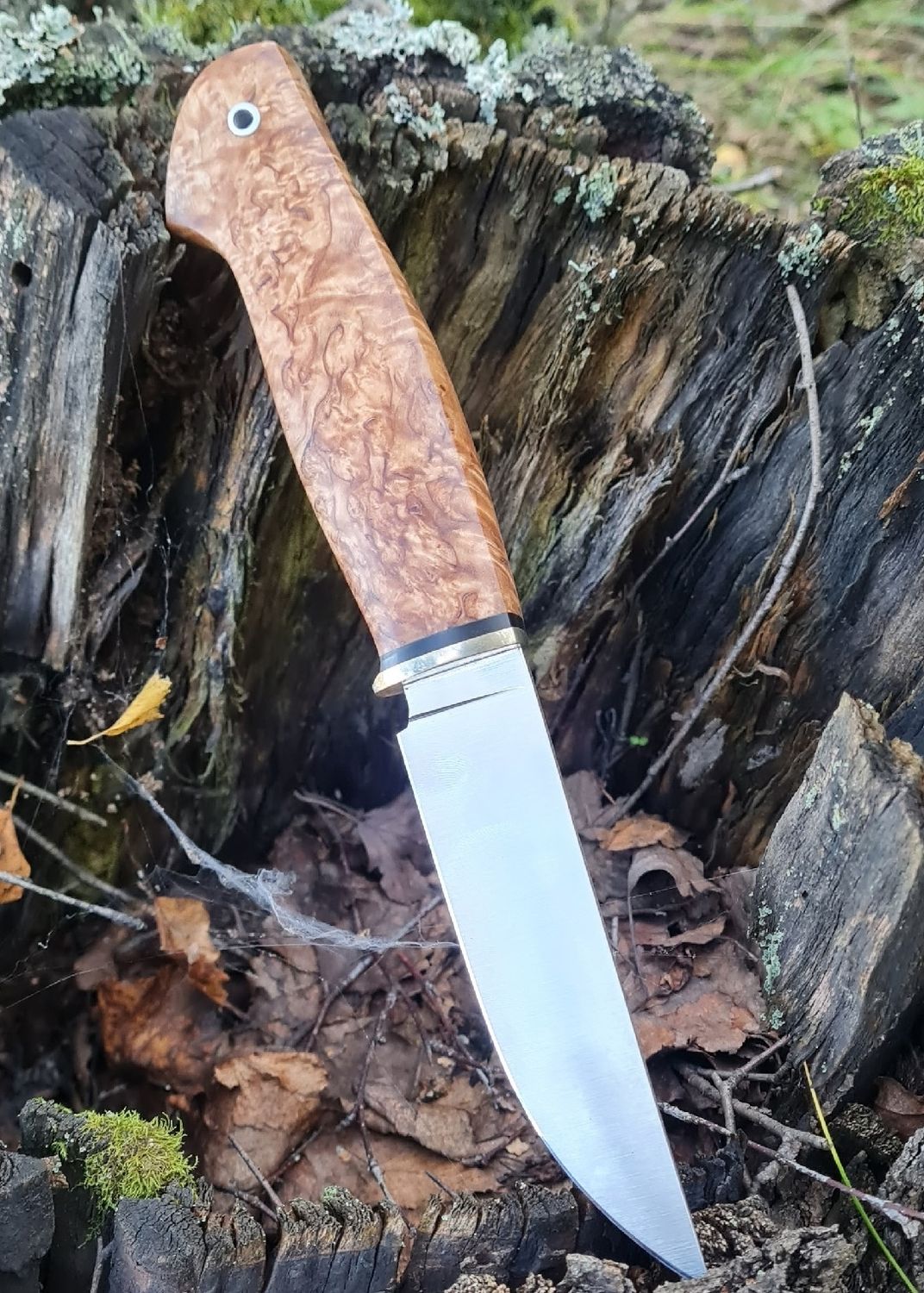
Karelian Birch Knife Handle Material
A Karelian Birch knife handle can have an appearance that changes dramatically depending on how the blank is oriented and finished.
The same piece may reveal different patterns as the knife maker shapes the handle.
Sanding progressively finer and polishing the surface can bring out the depth and contrast of the grain.
This is particularly attractive on:
• Full tang knives
• Hunting knives
• Bushcraft knives
• Scandinavian-style knives
• Finnish puukko-style knives
• Collectible knives
• Art knives
• Custom kitchen knives
• Handmade EDC knives
The material works especially well when the knife design allows the natural figure to remain visible over a relatively large area.
Curly Birch Knife Scales
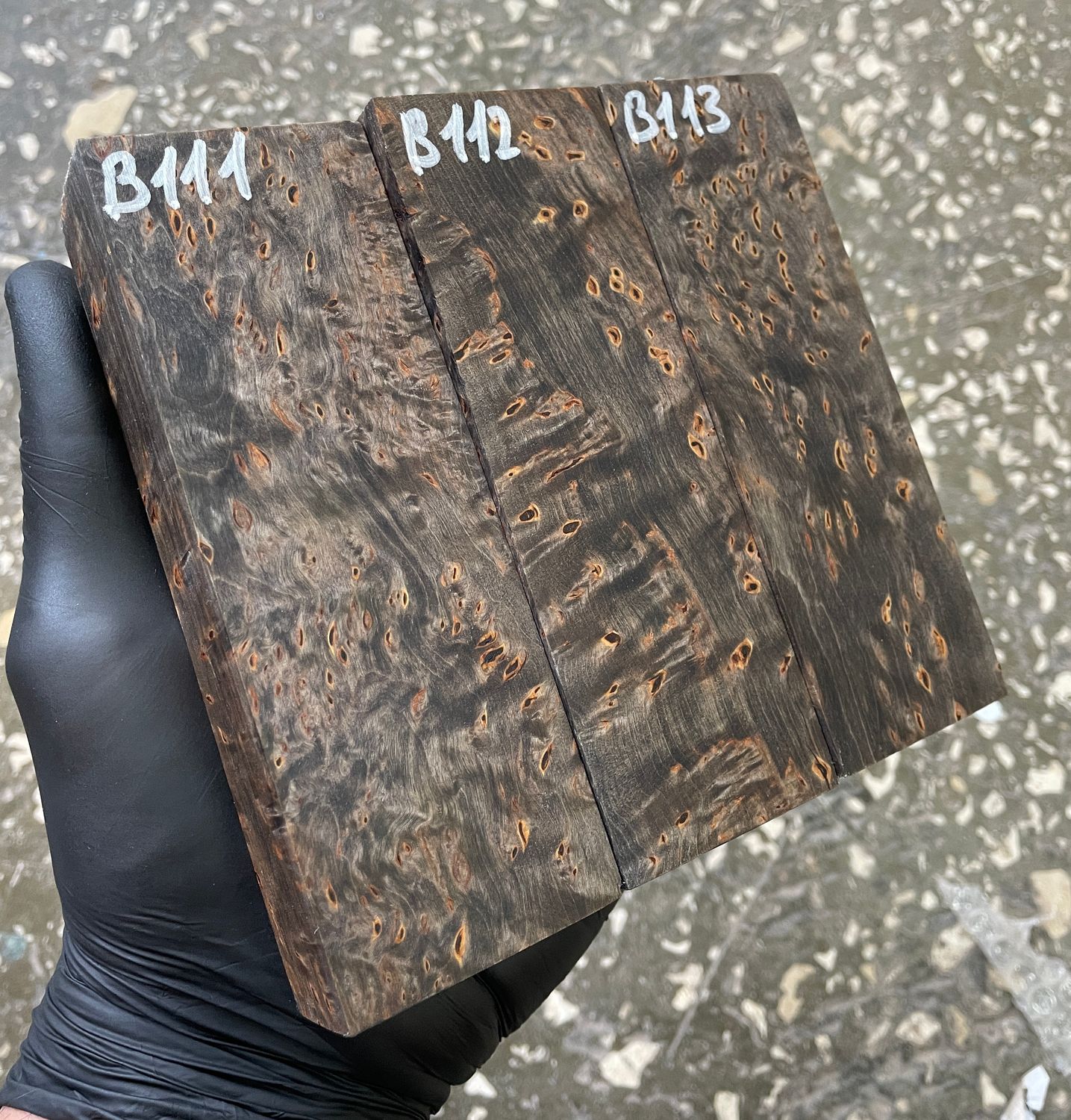
Curly birch knife scales are particularly popular among makers who want the appearance of traditional northern wood combined with modern handle-material performance.
Scales can be used for a wide variety of custom knife constructions.
Because the grain is different from one blank to another, the orientation of the scales can become part of the design process.
A knife maker can decide whether to emphasize:
• Straight flame patterns
• Curly figure
• Dark contrast
• Light golden areas
• Symmetrical grain
• Dramatic asymmetry
With natural material, the maker is not simply selecting a color.
They are selecting a piece of wood with its own visual identity.
Why Knife Makers Love Curly Birch
Curly Birch has a particularly strong connection to traditional Scandinavian knife making.
Finnish knife manufacturer Marttiini describes curly birch as the traditional material used for Finnish knife handles and notes its combination of durability and beauty. The company also points out that curly birch is available in limited quantities compared with ordinary birch.
This connection is especially important when making puukko-style knives.
The material feels authentic to the northern European knife tradition while still offering plenty of possibilities for contemporary custom designs.
Karelian Birch and the Finnish Puukko
The Finnish puukko is one of the best-known examples of the relationship between curly birch and knife making.
Traditional Finnish knives have long used wood for their handles, and curly birch became one of the characteristic handle materials.
This is not surprising.
The material is:
• attractive;
• workable;
• durable;
• strongly associated with northern forests;
• and visually distinctive.
For a traditional-style knife, few handle materials communicate the Scandinavian character as naturally as figured birch.
For a modern custom knife, the same material provides an opportunity to reinterpret that tradition.
From Traditional Craft to Modern Custom Knives
Karelian Birch has a history that extends far beyond knife handles.
Figured birch has traditionally been valued for decorative woodworking, furniture, turned objects, boxes, panels, and other specialty products.
Its appeal comes from the same quality that attracts knife makers today:
the material itself provides the decoration.
A craftsman does not need to add an artificial pattern.
The pattern is already inside the wood.
Modern stabilization simply gives the knife maker another way to use this traditional material.
Other Uses for Karelian Birch
Although knife handles are one of the most exciting applications for figured birch, the material has been used for many different types of products.
Examples include:
Kuksa and Wooden Cups
Northern European wooden cups and traditional drinking vessels are strongly associated with birch and other local woods.
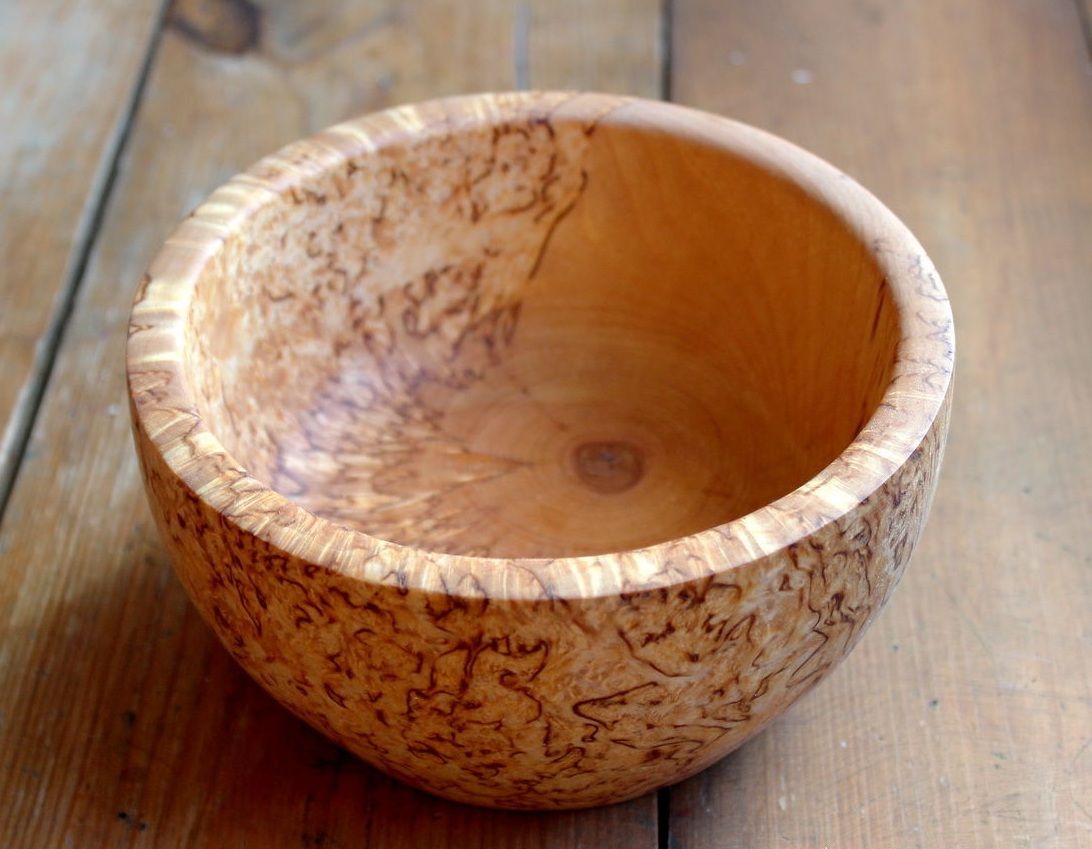
Bowls and Plates
The attractive figure makes Karelian Birch particularly suitable for decorative wooden tableware.
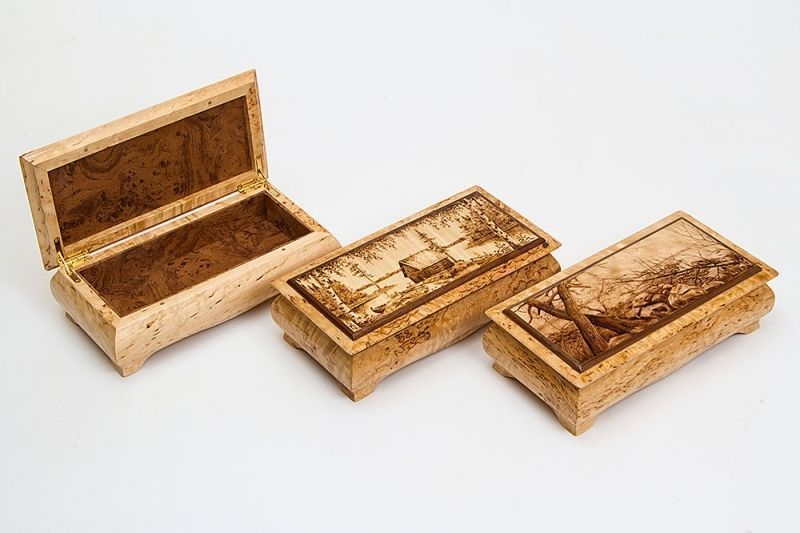
Boxes
Small boxes allow highly figured pieces of wood to become the main decorative element.
Spoons and Utensils
Birch has a long tradition in northern wooden crafts.
Furniture
Highly figured Karelian Birch has historically been used for furniture, veneers, and decorative surfaces.
Decorative Objects
The wood is also suitable for carving, turning, and other forms of artistic woodworking.
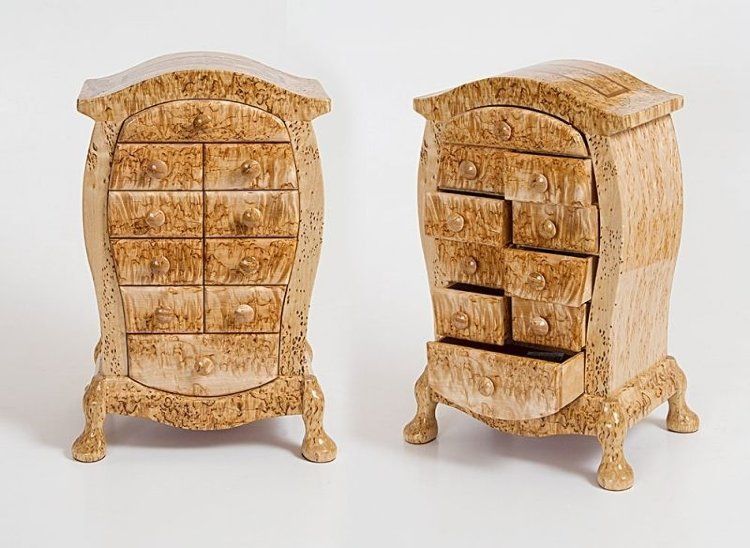
Why Was Karelian Birch Historically Valuable?
The answer comes down to rarity and appearance.
Ordinary birch is common.
Highly figured birch is not.
Not every birch tree produces the characteristic figure, and the intensity of the pattern can vary dramatically from tree to tree and even within individual pieces.
Scientific literature describes Karelian Birch as a commercially valuable figured wood and notes its use in highly decorative furniture and architectural panels.
This is why figured birch developed a reputation as a premium decorative material rather than simply another type of firewood or construction timber.
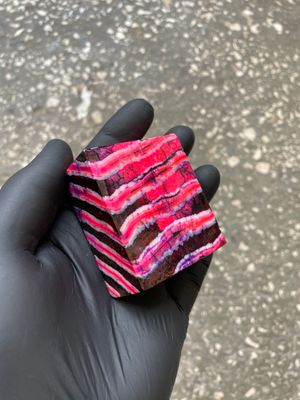
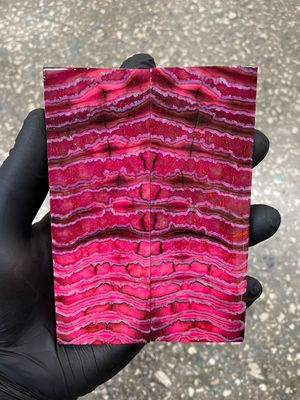
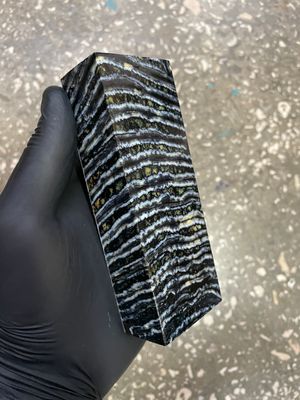
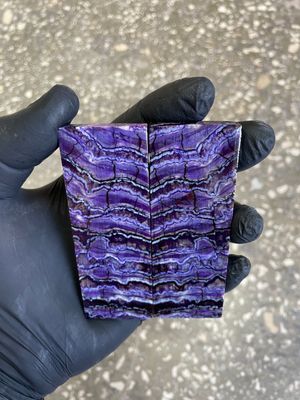
Stabilized and Dyed Karelian Birch
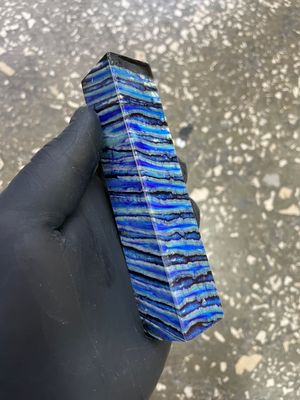
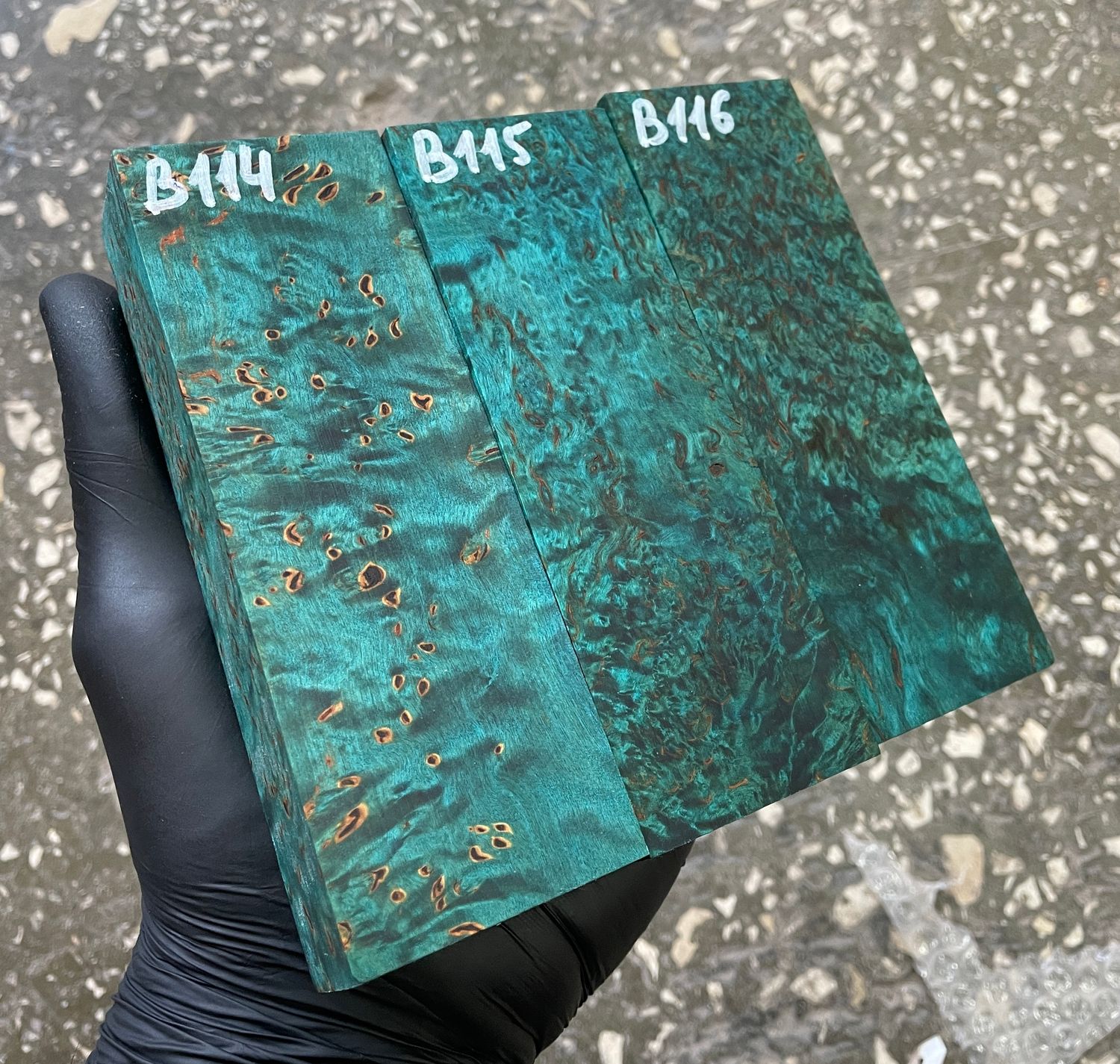
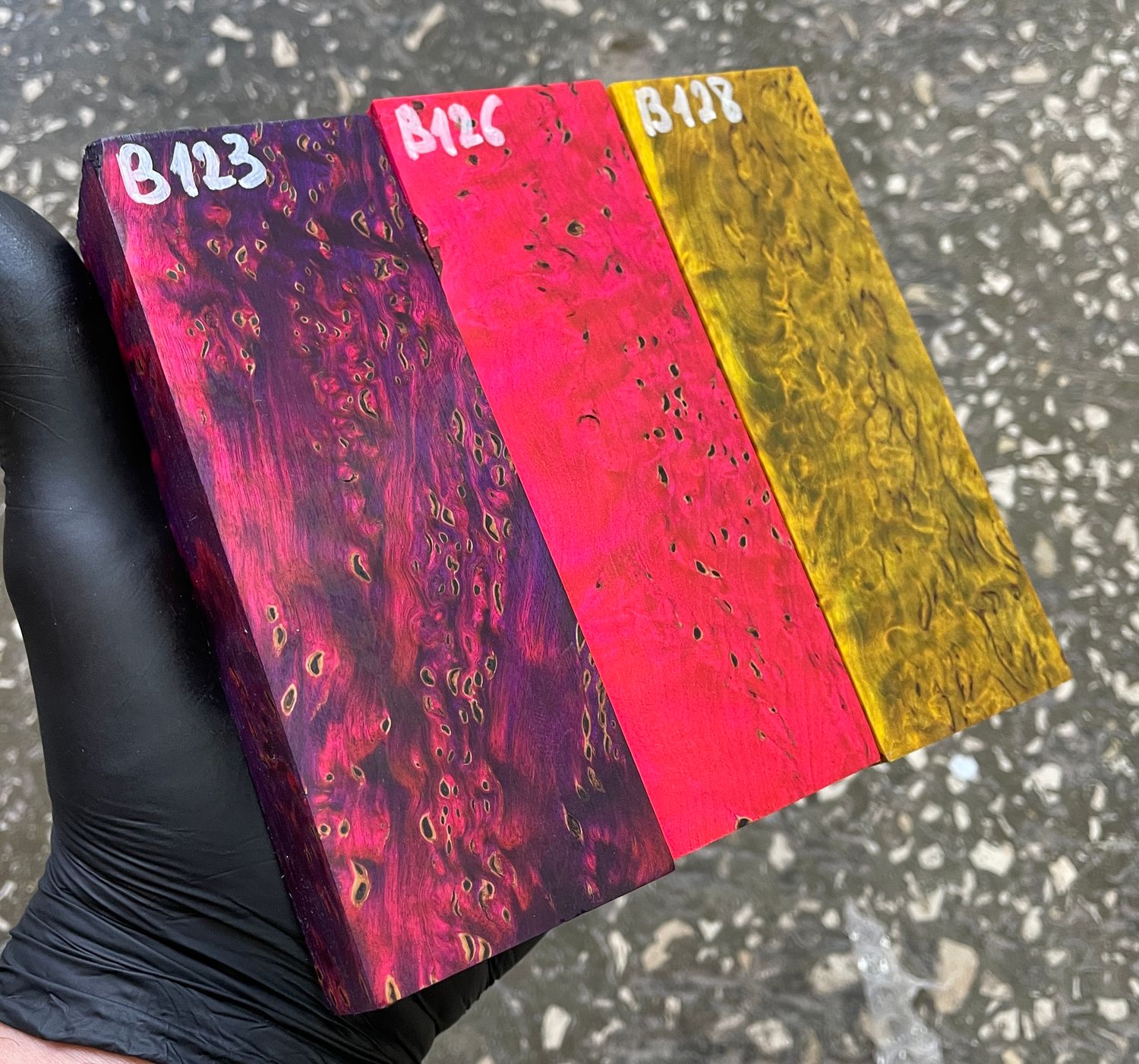
One of the advantages of modern stabilization technology is that the wood can also be colored during the stabilization process.
Natural Karelian Birch generally ranges through light cream, yellow, golden, tan, and brown tones.
Stabilization can introduce additional colors while allowing the underlying figure to remain visible.
Depending on the process, stabilized curly birch can be produced in colors such as:
• Red
• Orange
• Yellow
• Green
• Blue
• Purple
• Black
• Custom combinations
This creates a particularly interesting combination:
a completely natural grain pattern with a non-natural color.
The result can be used to create knife handles that are traditional in texture but contemporary in appearance.
Every Karelian Birch Blank Is Unique
This is perhaps the most important thing to understand when buying Karelian Birch knife handle material.
Natural figured wood is not a manufactured product.
A catalog photograph of one blank cannot accurately represent another blank.
Even two pieces cut from the same tree can show different grain patterns.
That is why FossilUSA treats individual Karelian Birch blanks as unique pieces rather than generic interchangeable inventory.
We select pieces for:
• Strong figure
• High visual contrast
• Interesting grain movement
• Attractive color
• Useful knife-handle dimensions
• Overall visual character
And when a particular blank is listed for sale, the photographs show the actual piece you will receive.
Not a stock photograph.
Not a representative sample.
Not a random replacement.
The exact piece shown is the piece you purchase.
Choosing Karelian Birch for Your Next Knife
When selecting a Karelian Birch blank, do not look only at the dimensions.
Look at the grain.
Consider where the strongest figure will appear after the handle is shaped.
Look for grain movement that complements the shape of your knife.
A highly figured blank can become the visual centerpiece of an otherwise simple knife.
For a more traditional puukko-style knife, a warm natural-colored piece can reinforce the Scandinavian character.
For a modern custom knife, dyed stabilized curly birch can provide a much more dramatic appearance.
The important thing is to select the right piece for the design.
Natural Karelian Birch vs. Stabilized Karelian Birch
Both have their place.
Natural Karelian Birch
Best suited for makers who want:
• Traditional wood character
• Natural feel
• Untreated appearance
• Classic Scandinavian aesthetics
Stabilized Karelian Birch
Best suited for makers who want:
• Improved dimensional stability
• Greater resistance to moisture
• A more predictable handle material
• Easier maintenance
• The option of dyed colors
• Modern performance with natural wood appearance
For many modern custom knife makers, stabilized Karelian Birch offers the best combination of traditional aesthetics and practical performance.
Why Choose FossilUSA Karelian Birch?
We do not select Karelian Birch blanks simply because they meet a certain size specification.
We look for character.
Our goal is to find pieces with strong, attractive, highly visible figure that can become something special after a knife maker shapes and finishes them.
Every blank is selected individually.
Every piece has its own pattern.
And every product photograph represents the actual piece being sold.
That means you can choose your material based on the exact grain you want rather than ordering a generic “Karelian Birch” blank and discovering later what the pattern looks like.
For custom knife makers, that difference matters.
Karelian Birch: A Traditional Material for Modern Knife Makers
Karelian Birch sits at an interesting intersection between traditional craftsmanship and modern material technology.
It has deep roots in northern European woodworking and Finnish knife making.
Its unusual figured grain makes every piece visually different.
And stabilization gives today's knife maker additional possibilities that traditional craftsmen did not have.
Whether you are building a traditional puukko, a hunting knife, a modern EDC, or a high-end custom piece, stabilized Karelian Birch can turn the handle into one of the most distinctive parts of the knife.
The resin can improve the material.
The color can change the appearance.
The knife maker can shape and polish it.
But the most important part cannot be manufactured.
The grain comes from nature.
FAQ: Karelian Birch, Curly Birch & Stabilized Birch
Is Karelian Birch a separate species of tree?
Karelian Birch is generally associated with a figured form of silver birch, Betula pendula var. carelica. It is not simply a completely separate birch species. Scientific research describes Curly or Karelian Birch as a special variety of silver birch.
Is Karelian Birch the same as Curly Birch?
The terms overlap heavily. Karelian Birch is commonly used for this particular figured birch, while Curly Birch describes the characteristic grain pattern. In the knife-making market, the names are often used for the same or closely related material.
Is Karelian Birch the same as Masur Birch?
They are closely related terms in the wood market. Masur Birch describes a characteristic figured grain found in birch and is commonly associated with Karelian Birch. The Wood Database specifically notes that Masur Birch is a grain figure rather than a separate birch species.
What makes Karelian Birch different from regular birch?
The main difference is the highly figured grain. Ordinary birch generally has a much more uniform appearance, while Karelian Birch can display curls, waves, flames, swirls, and strong contrast.
Is Karelian Birch good for knife handles?
Yes. Curly birch has a long tradition as a Finnish knife-handle material, and its combination of attractive figure and useful mechanical properties makes it popular for knife making.
What is stabilized Karelian Birch?
Stabilized Karelian Birch is figured birch that has been impregnated with a resin and cured. The process changes the wood's behavior and generally improves dimensional stability and moisture resistance.
Is stabilized Karelian Birch waterproof?
It is more resistant to moisture than untreated wood, but it should not automatically be considered completely waterproof. The finished knife and the entire handle construction still determine how the finished product behaves in wet conditions.
Can stabilized Karelian Birch be dyed?
Yes. Stabilization can be combined with coloring processes, allowing figured birch to be produced in a wide range of colors while retaining its natural grain pattern.
Does stabilization hide the grain?
No. Properly stabilized figured birch retains its natural grain. Finishing can actually make the figure appear deeper and more pronounced.
Are all Karelian Birch blanks the same?
No. Natural figured wood is inherently variable. Two blanks can have very different patterns, colors, and grain movement.
Will I receive the exact Karelian Birch blank shown in the FossilUSA listing?
Yes. For individually listed blanks, the product photographs show the actual piece being sold. You receive that specific piece rather than a generic replacement.
Is Karelian Birch good for knife scales?
Yes. Curly birch knife scales are a popular choice for custom knife makers who want a natural figured material with strong visual character.
What types of knives can use Karelian Birch handles?
Karelian Birch can be used for many custom designs, including hunting knives, bushcraft knives, EDC knives, Scandinavian-style knives, puukko-style knives, kitchen knives, and collectible custom knives.
Why is Karelian Birch more expensive than ordinary birch?
Highly figured Karelian Birch is much less common than ordinary birch. Its value comes primarily from the rarity and visual quality of the figured grain.
Can Karelian Birch be used for projects other than knives?
Yes. Figured birch has been used for furniture, boxes, bowls, cups, decorative panels, turned objects, utensils, and other specialty woodworking projects.
What is the best finish for stabilized Karelian Birch?
The appropriate finish depends on the particular stabilization process and the desired appearance. Stabilized material can generally be progressively sanded and polished to reveal the depth and chatoyance of the grain.
Why does Karelian Birch look like marble?
The term “wooden marble” is sometimes used because the complex figured grain can create flowing, contrasting patterns that resemble the visual movement of marble. Scientific literature also uses this comparison when describing Karelian Birch.
Is every Karelian Birch knife handle one of a kind?
If the handle is made from a unique natural blank, the grain pattern will be unique. The exact appearance depends on the individual piece of wood and how the knife maker cuts, shapes, and finishes it.