Material Stabilization: The Technology That Changed Modern Knife Making
05.31.2026
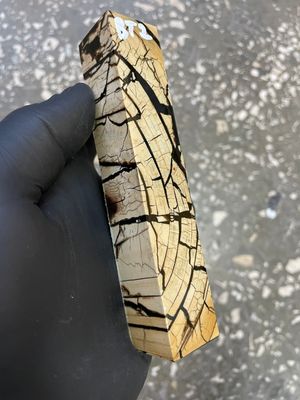
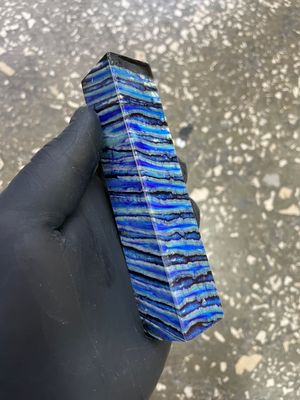
Modern knife making would be difficult to imagine without materials that, just a few decades ago, were considered unsuitable for knife handles. Mammoth tooth with countless micro-cracks, porous whale vertebrae, or fragile coral can now be found in custom knives around the world. The key to making these materials practical is a process known as stabilization.
What Is Material Stabilization?
In simple terms, stabilization is the process of improving a material’s physical properties by filling its internal pores and voids with specialized polymers.
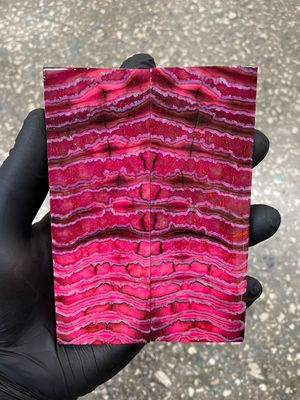
The material retains its natural appearance, grain structure, and character (or can be enhanced with dyes for vibrant colors), but becomes significantly stronger, more stable, and more resistant to environmental changes.
For example, untreated wood absorbs moisture, expands and contracts with humidity, and may eventually warp or crack. Stabilized wood largely eliminates these issues.
Today, stabilization is a familiar term among knife makers, but the technology did not originate in the knife industry.
Where Did Stabilization Come From?
The roots of stabilization can be traced back to industrial manufacturing.
During the mid-20th century, engineers faced a recurring problem with porous cast metal components. Microscopic pores and cracks left behind during casting could lead to fluid leaks, gas permeability, reduced reliability, and costly product failures.
To solve this issue, manufacturers developed vacuum impregnation technology. Components were placed in vacuum chambers where trapped air was removed from internal voids. Specialized polymers were then introduced into the material. Once cured, the polymers sealed the pores and dramatically improved performance and reliability.
The process eventually became common in automotive manufacturing, aerospace engineering, and precision industrial applications.
Modern stabilization of natural materials uses the same fundamental principle that industry has relied on for decades to improve metals, ceramics, and composite materials.
How Stabilization Entered Knife Making
Knife makers quickly realized that vacuum impregnation could solve many of the problems associated with natural handle materials.
Wood was one of the first materials to benefit.
Many beautiful hardwoods, burls, and figured woods contain natural voids, inconsistent density, and areas prone to cracking. Even premium exotic species can react to changes in humidity and temperature over time.
By combining vacuum technology with polymer resins, makers discovered they could transform wood into a far more durable and predictable material. The wood retained its natural beauty while gaining dramatically improved performance characteristics.
This led to the rise of stabilized wood, which is now considered the gold standard for premium knife handles.
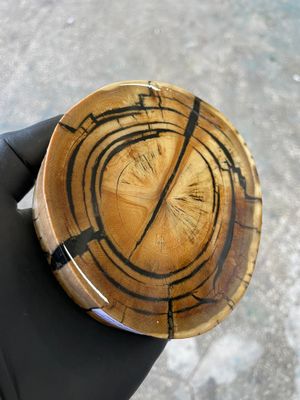
What Is Stabilized Wood?
Stabilized wood is wood that has been impregnated with specialized polymer resins using vacuum and pressure cycles, followed by curing within the material itself.
During the process, air is removed from the cellular structure of the wood. Resin is then forced deep into the grain under vacuum and pressure. Once heat-cured, the polymer becomes part of the material's internal structure.
The result is a hybrid material that combines the beauty of natural wood with the durability of modern polymers.
Benefits of Stabilized Wood
Compared to untreated wood, stabilized wood offers numerous advantages:
• Significantly reduced moisture absorption
• Superior dimensional stability
• Increased resistance to warping
• Reduced risk of cracking and checking
• Higher density
• Improved mechanical strength
• Better finishing and polishing characteristics
• Expanded color possibilities through dye infusion
• Longer service life
For knife makers, this means a more reliable material that maintains its appearance and performance for years.
Cactus Juice: The Most Recognized Stabilizing Resin
When discussing wood stabilization in the United States, one name consistently comes up: Cactus Juice.
Developed by Curtis Seebeck in the early 2000s, Cactus Juice was specifically designed for stabilizing wood and other porous materials in small workshops and custom shops.
Before its introduction, many makers experimented with homemade or industrial resins that often produced inconsistent results. Cactus Juice quickly became popular because it offered predictable performance and user-friendly processing.
The product is based on modified acrylic and methacrylate monomers that penetrate deeply into porous materials. After heat curing, these compounds form a durable transparent polymer within the material structure.
Today, Cactus Juice is widely regarded as the industry standard among many American knife makers and woodworkers.
Other Stabilization Systems
Although Cactus Juice is the best-known name in the United States, it is far from the only stabilization system available.
Industrial manufacturers and professional stabilizing companies often use proprietary acrylic, methacrylate, and polyester resin systems tailored for specific materials and production volumes.
Regardless of the product used, the principle remains the same: vacuum removes trapped air while polymers penetrate and reinforce the internal structure.
Materials That Depend on Stabilization
As stabilization technology evolved, its use expanded far beyond wood.
Many of the most desirable natural handle materials would be impractical - or impossible - to use without stabilization.
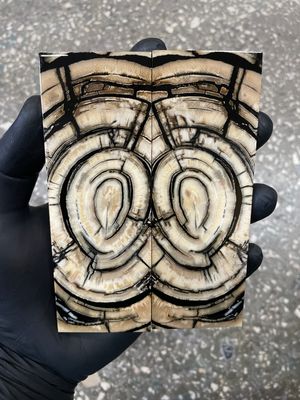
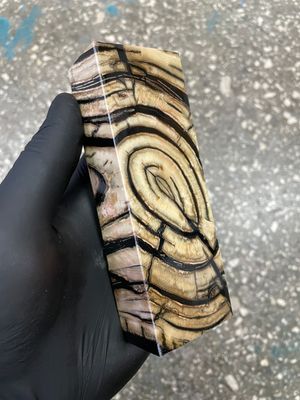
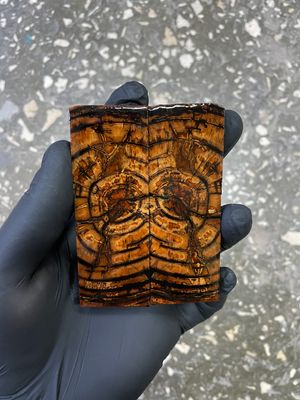
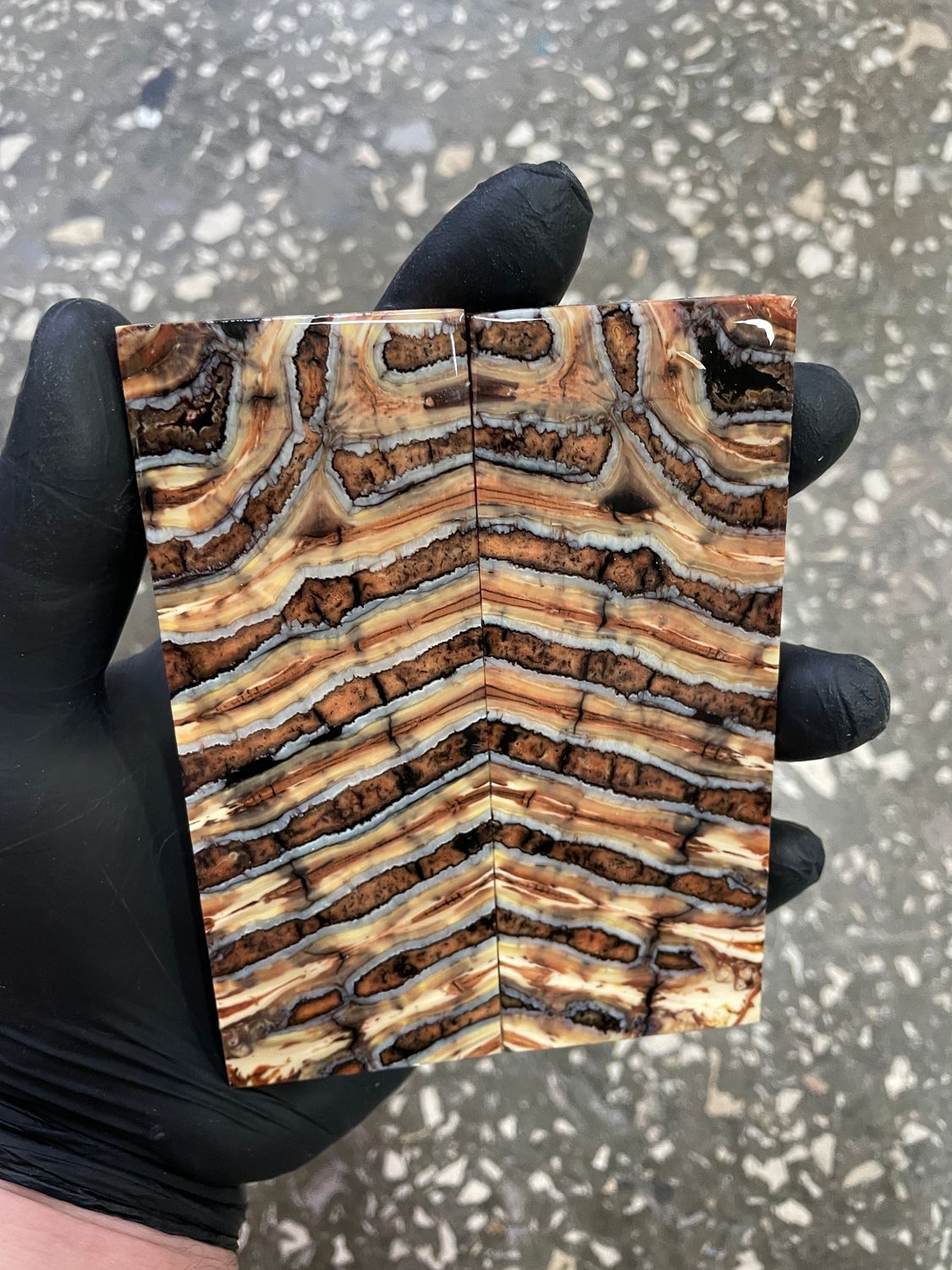
Mammoth Tooth
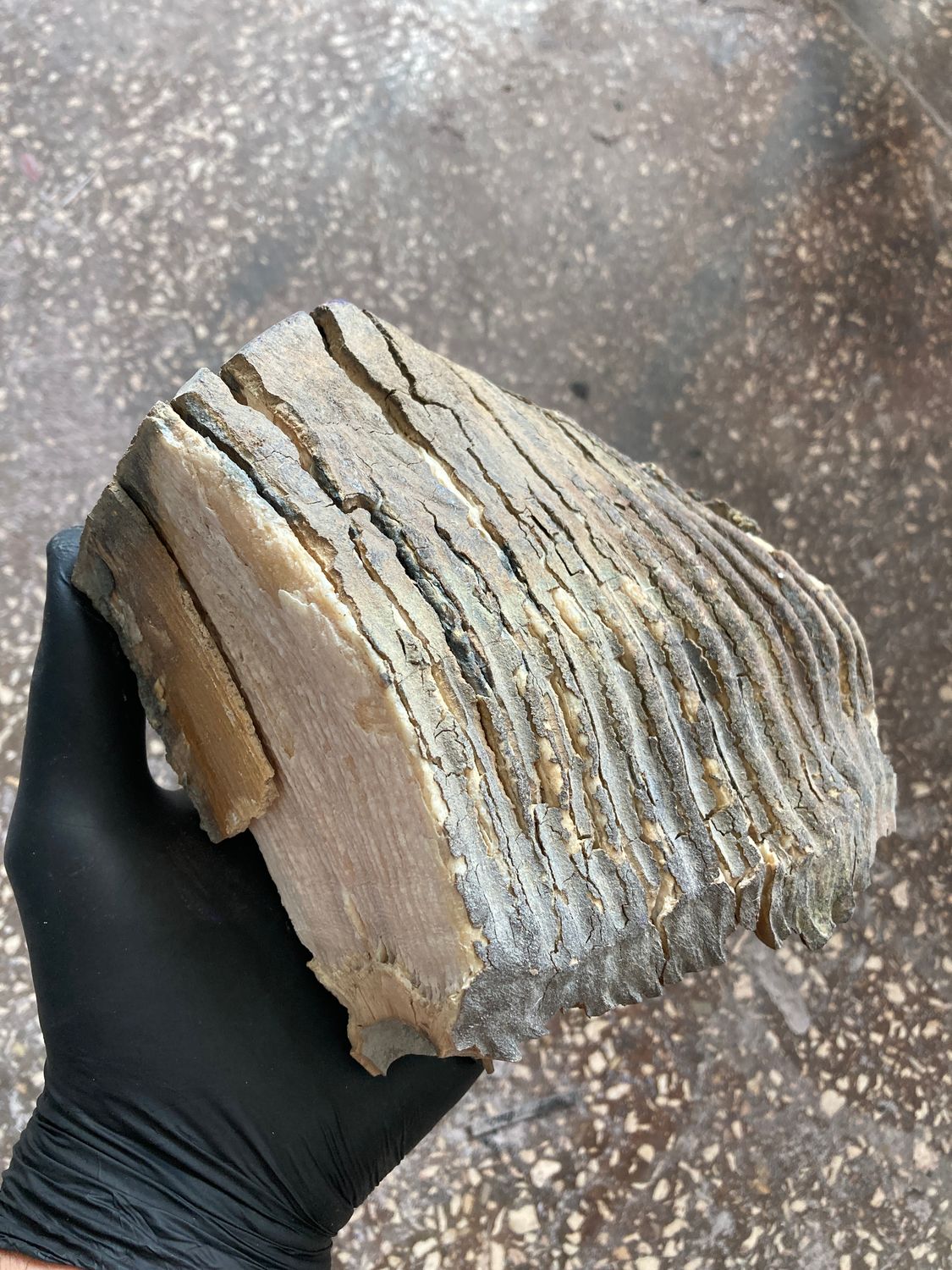
Mammoth tooth is one of the most visually striking materials available to custom knife makers.
However, thousands of years underground leave dentin and enamel filled with micro-cracks and structural weaknesses.
Stabilization strengthens the material while preserving the unique natural patterns that make mammoth tooth so desirable.
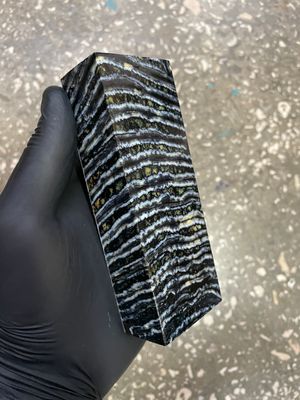
Fossil Mammoth Ivory
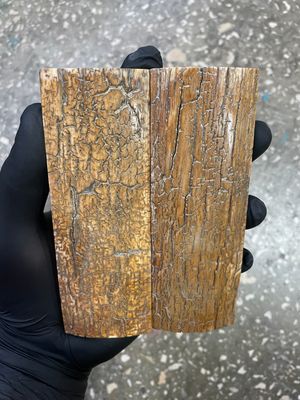
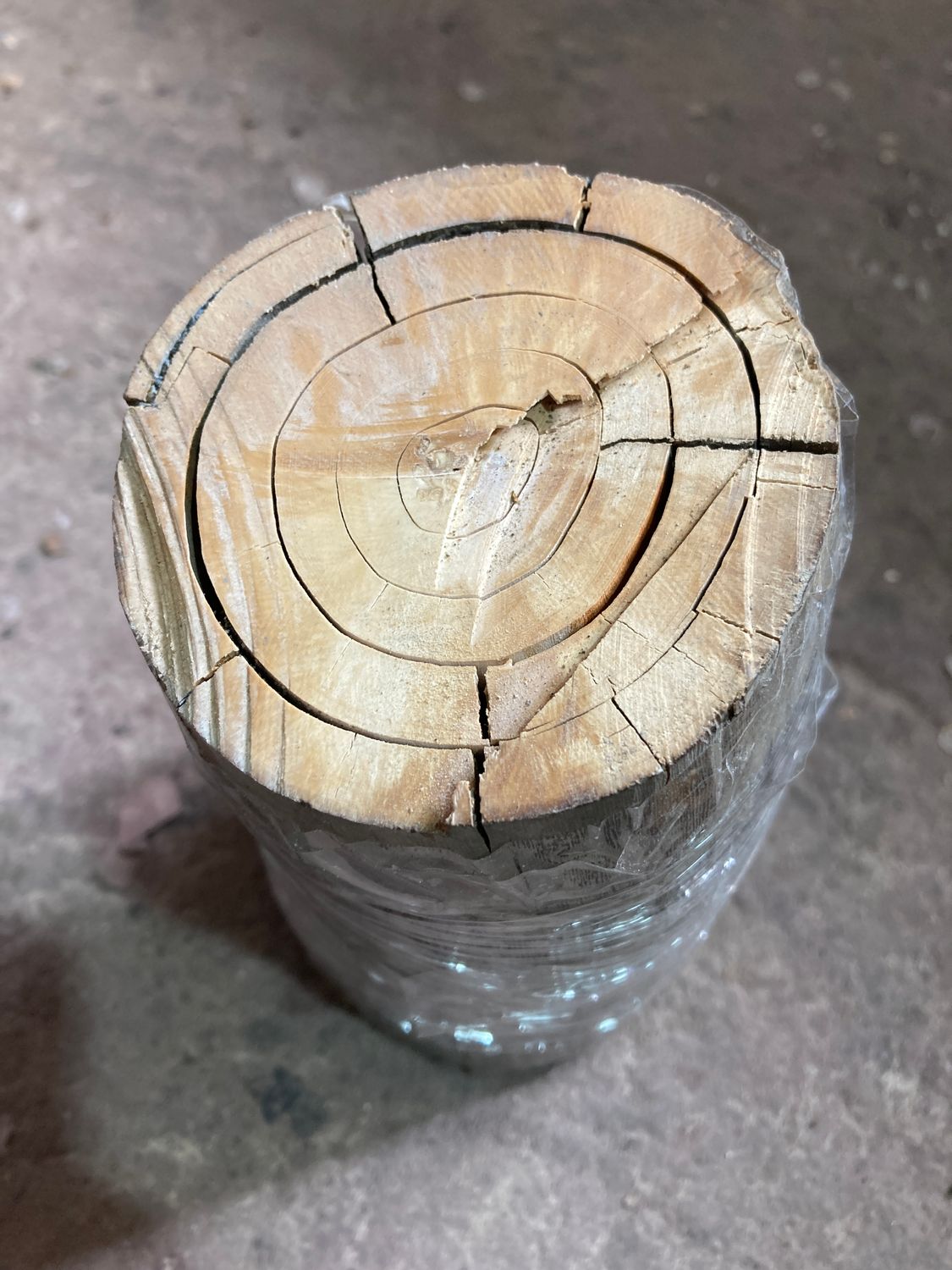
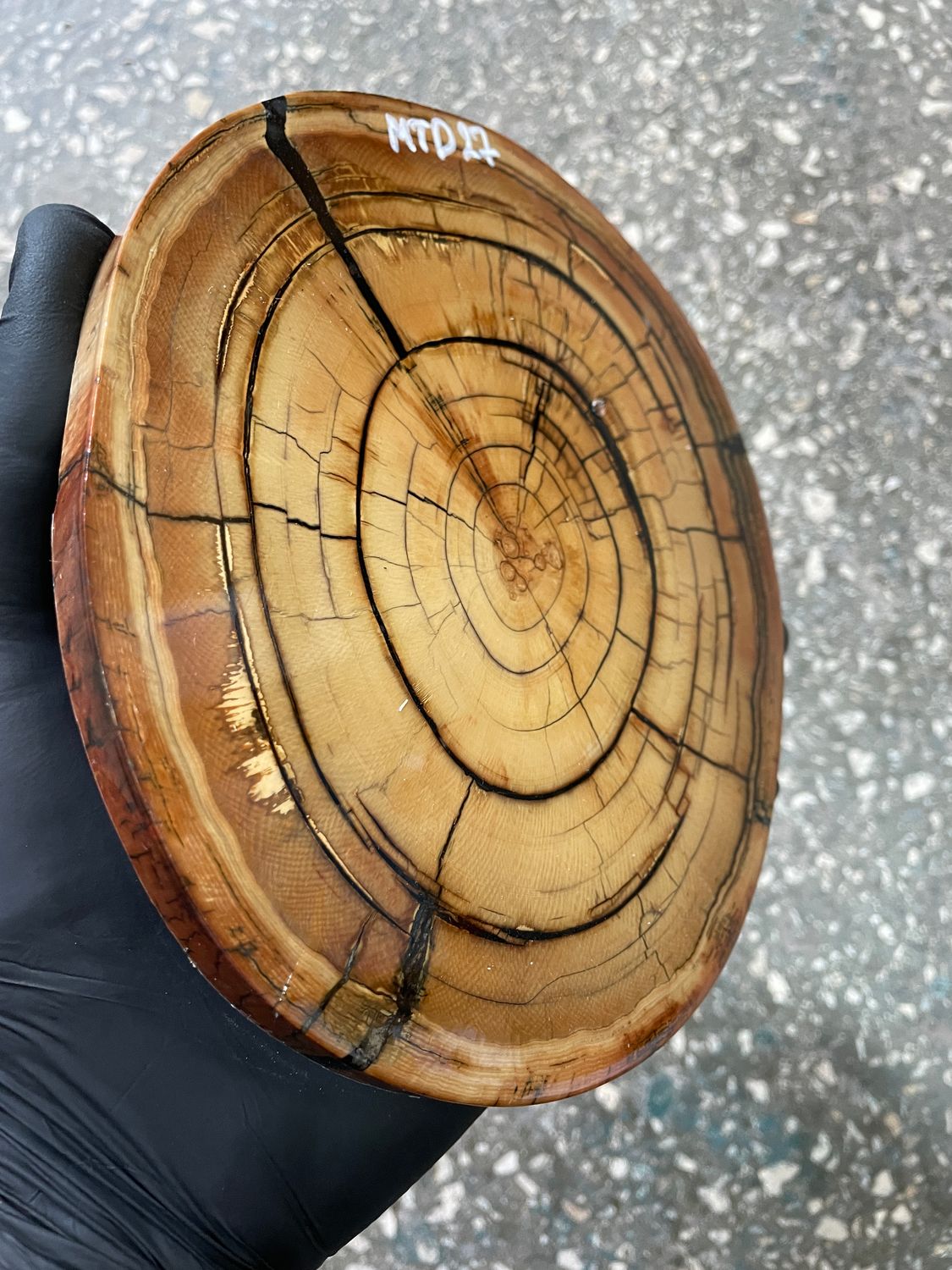
Fossil mammoth ivory is prized for both its beauty and historical significance.
Because the material is often more than 10,000 years old, many pieces contain internal weaknesses that make them difficult to work with.
Stabilization reinforces the structure and makes the material more suitable for machining, shaping, and long-term use.
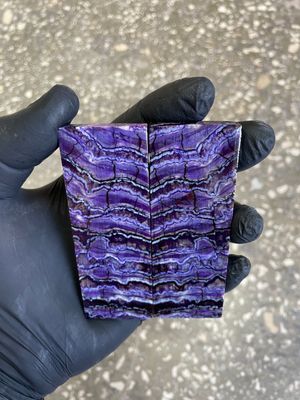
Whale Vertebrae
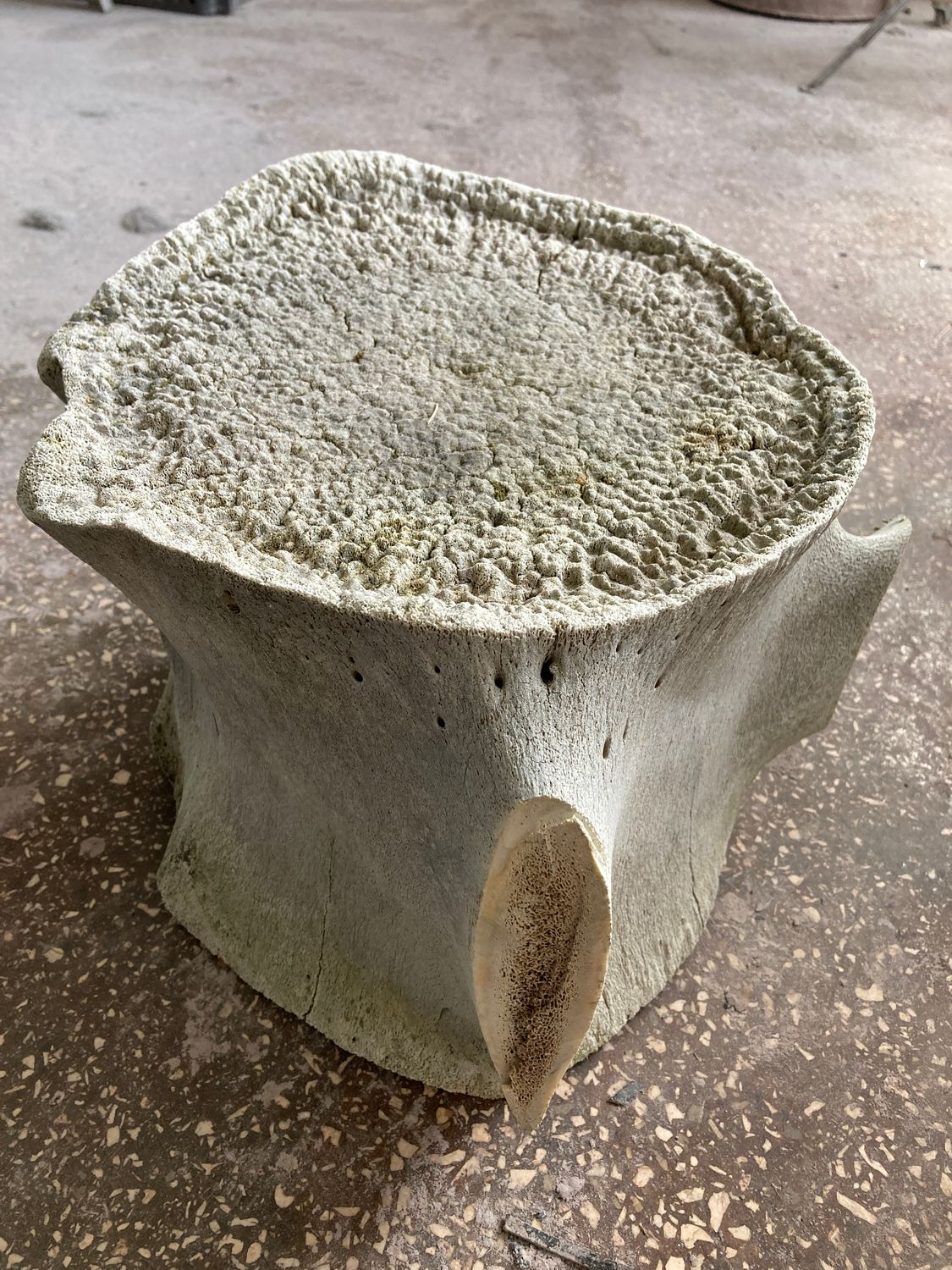
Whale vertebrae are naturally porous and lightweight.
In their raw state, they are generally too soft and fragile for knife handles. Deep stabilization fills internal voids with polymer, dramatically increasing strength while preserving their distinctive appearance.
The resulting material creates handle scales unlike anything else available.
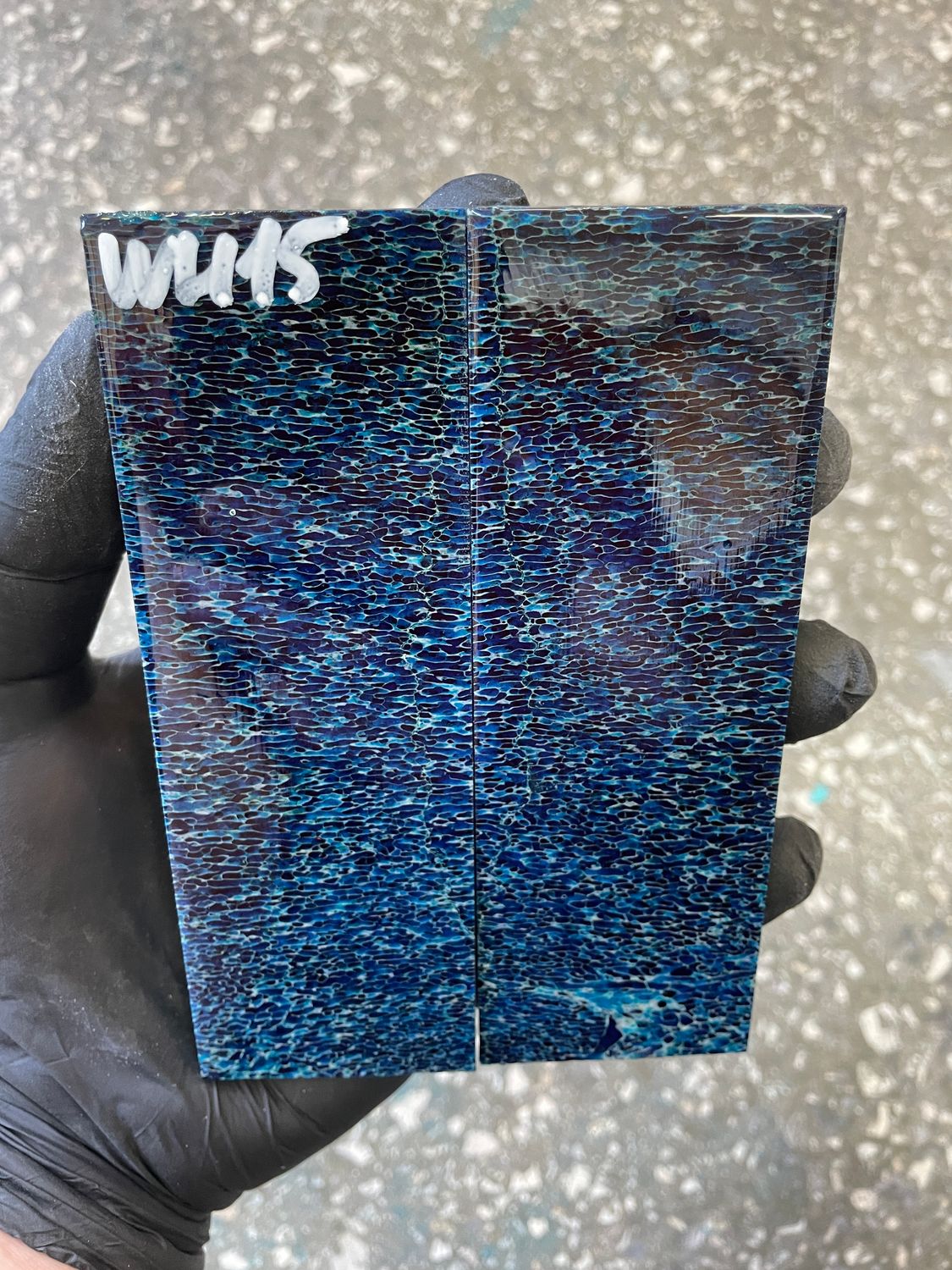
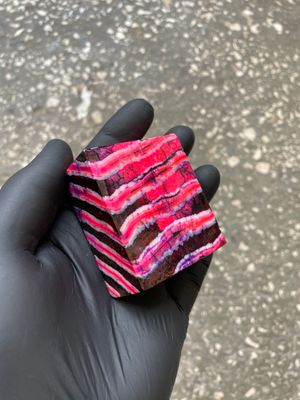
Coral
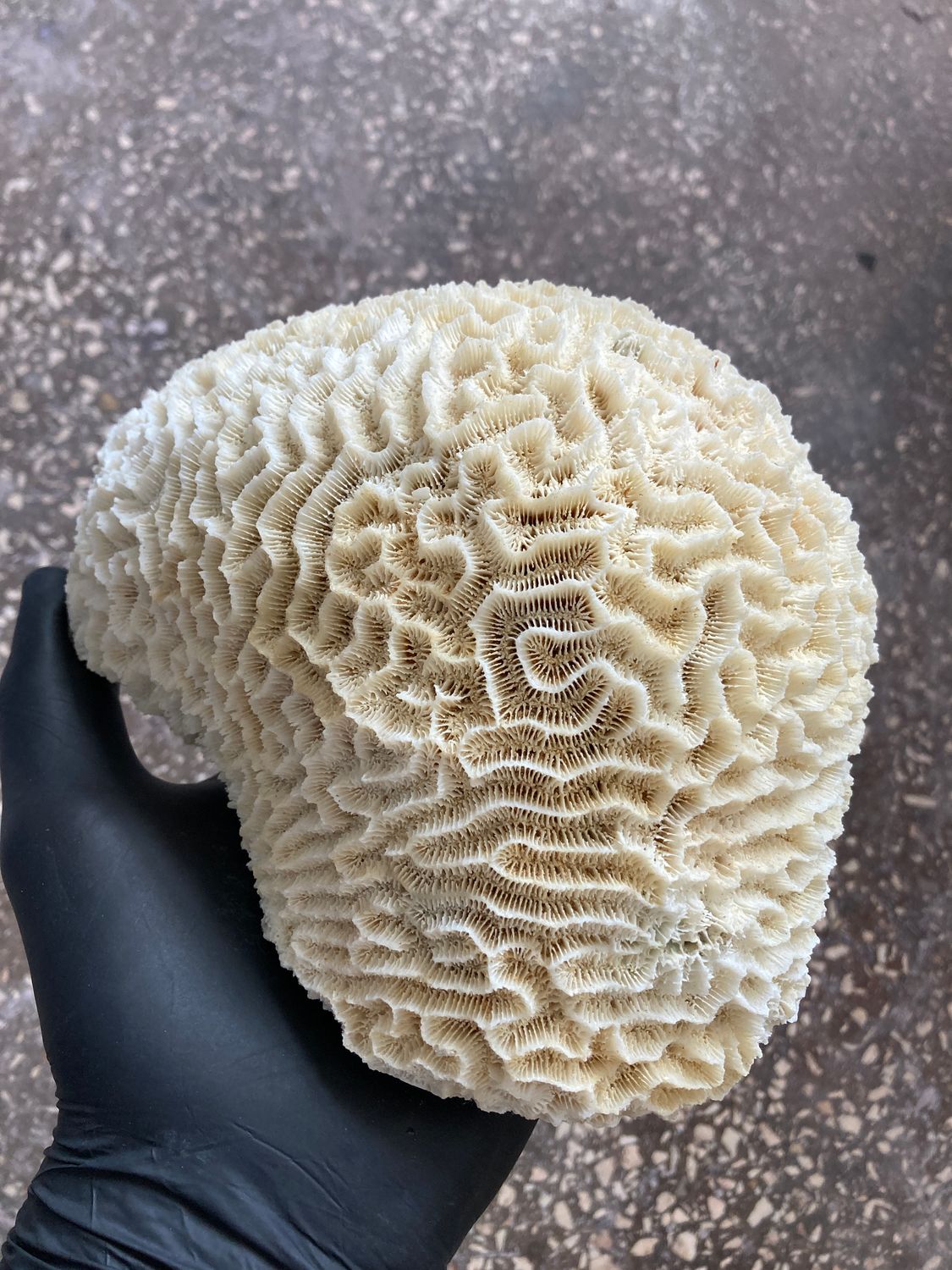
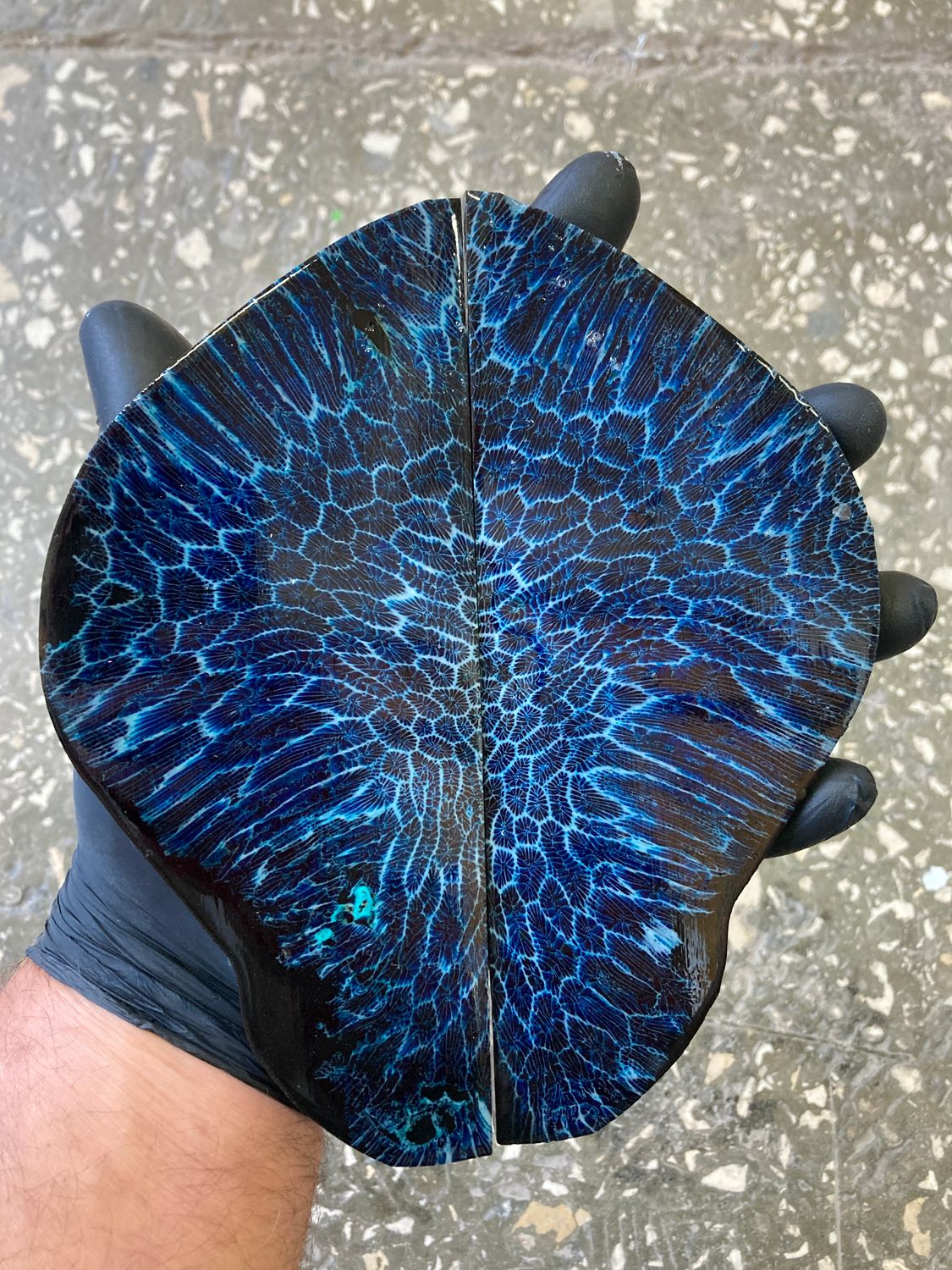
Natural coral features intricate patterns and remarkable visual character, but it is also extremely brittle.
Stabilization helps preserve the complex structure while increasing durability to a level suitable for knife making applications.
The Future of Natural Handle Materials
Stabilization has become one of the most important advancements in modern custom knife making.
It allows makers to use not only exotic woods but also rare natural materials that would otherwise be too fragile for practical use.
Thanks to stabilization, collectors and craftsmen can enjoy knife handles made from mammoth tooth, fossil mammoth ivory, whale vertebrae, coral, walrus ivory, and many other extraordinary materials.
At FossilUSA, we specialize in premium stabilized materials for custom knife makers, including stabilized mammoth tooth, fossil mammoth ivory, whale vertebrae, walrus ivory, stabilized wood, and other unique natural handle materials sourced for exceptional projects.
Frequently Asked Questions About Material Stabilization
What Is Material Stabilization?
Material stabilization is the process of filling a material’s pores, voids, and micro-cracks with specialized polymer resins using vacuum and pressure. Once cured, the material becomes stronger, more dimensionally stable, and more resistant to moisture and environmental changes.
Why Is Wood Stabilized?
Stabilization reduces moisture absorption, minimizes the risk of warping and cracking, increases density, and improves overall durability. These benefits make stabilized wood especially desirable for knife handles and other high-performance applications.
How Is Stabilized Wood Different from Regular Wood?
Natural wood reacts to changes in humidity and temperature by expanding, contracting, or potentially warping over time. Stabilized wood is significantly more stable, stronger, and better suited for long-term use in demanding environments.
Who Invented Stabilization Technology?
Modern stabilization methods are based on vacuum impregnation technologies originally developed for industrial applications. These processes were first used in manufacturing and aerospace industries to seal porous metal components and improve their reliability.
What Is Cactus Juice?
Cactus Juice is one of the most widely used wood stabilization resins in the United States. Developed specifically for knife makers and woodworkers, it is based on acrylic and methacrylate compounds that penetrate deeply into porous materials and cure into a durable polymer.
What Materials Can Be Stabilized?
A wide range of porous natural materials can be stabilized, including wood, mammoth tooth, fossil mammoth ivory, walrus ivory, whale vertebrae, coral, antler, bone, and many other natural handle materials.
Why Does Mammoth Tooth Need Stabilization?
After spending thousands of years buried underground, mammoth tooth often develops numerous micro-cracks and internal weaknesses. Stabilization reinforces the structure, making the material suitable for knife handles while preserving its unique natural patterns.
Why Are Whale Vertebrae Stabilized?
Whale vertebrae have a highly porous structure. In their natural state, they are typically too soft and fragile for practical knife-making applications. Stabilization strengthens the material and significantly improves its durability.
Can Fossil Mammoth Ivory Be Used Without Stabilization?
Some dense sections of fossil mammoth ivory can be used without stabilization. However, most modern knife makers prefer stabilized ivory because it offers greater reliability, durability, and long-term stability.
Where Can I Buy Stabilized Materials for Knife Handles?
Premium stabilized handle materials -including mammoth tooth, fossil mammoth ivory, walrus ivory, whale vertebrae, stabilized wood, and other unique natural materials - are available from FossilUSA.