
How to Identify Mammoth Ivory: Mammoth vs Elephant Ivory and Walrus Tusk
06.15.2026
Mammoth ivory, elephant ivory, and walrus tusk can appear remarkably similar at first glance. All three materials have been used for centuries in fine art, jewelry, custom knife handles, and collectible carvings.
However, there are several important differences that allow collectors, knife makers, and buyers to accurately determine the origin of the material.
In this guide, we'll explain how to identify genuine mammoth ivory, distinguish it from elephant ivory and walrus tusk, and avoid common imitations.
Why Correct Identification Matters
High-quality mammoth ivory can sell for hundreds or even thousands of dollars per pound, depending on color, preservation, and rarity.
Because of its value, mammoth ivory is often confused with or misrepresented as:
• Elephant ivory
• Walrus tusk
• Sperm whale tooth
• Animal bone
• Synthetic ivory substitutes
• Resin and composite materials
Proper identification is especially important for collectors, custom knife makers, artisans, and anyone purchasing premium handle materials.
The Most Reliable Identification Method: Schreger Lines
The most reliable way to distinguish mammoth ivory from elephant ivory is by examining a cross-section of the material.
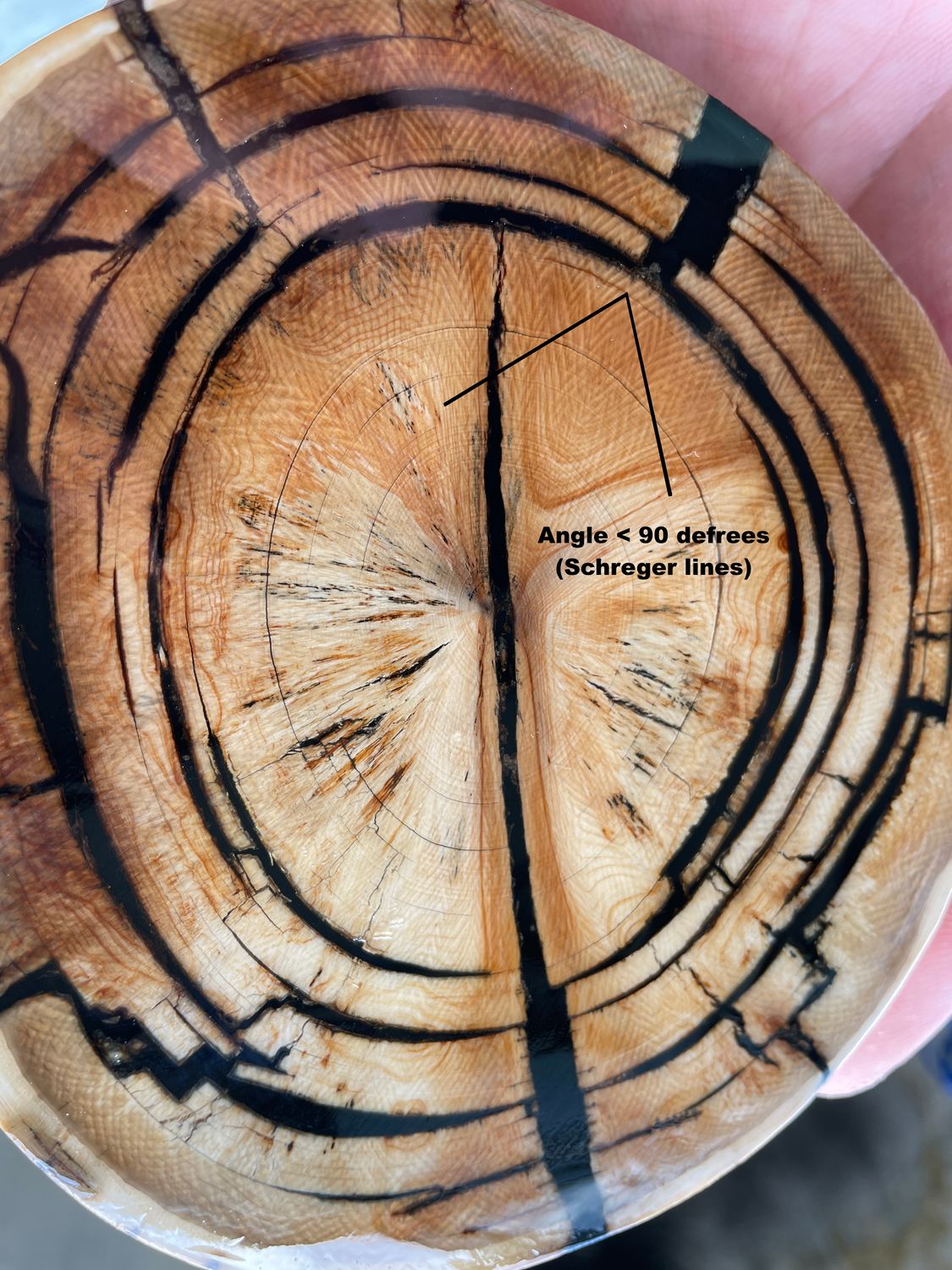
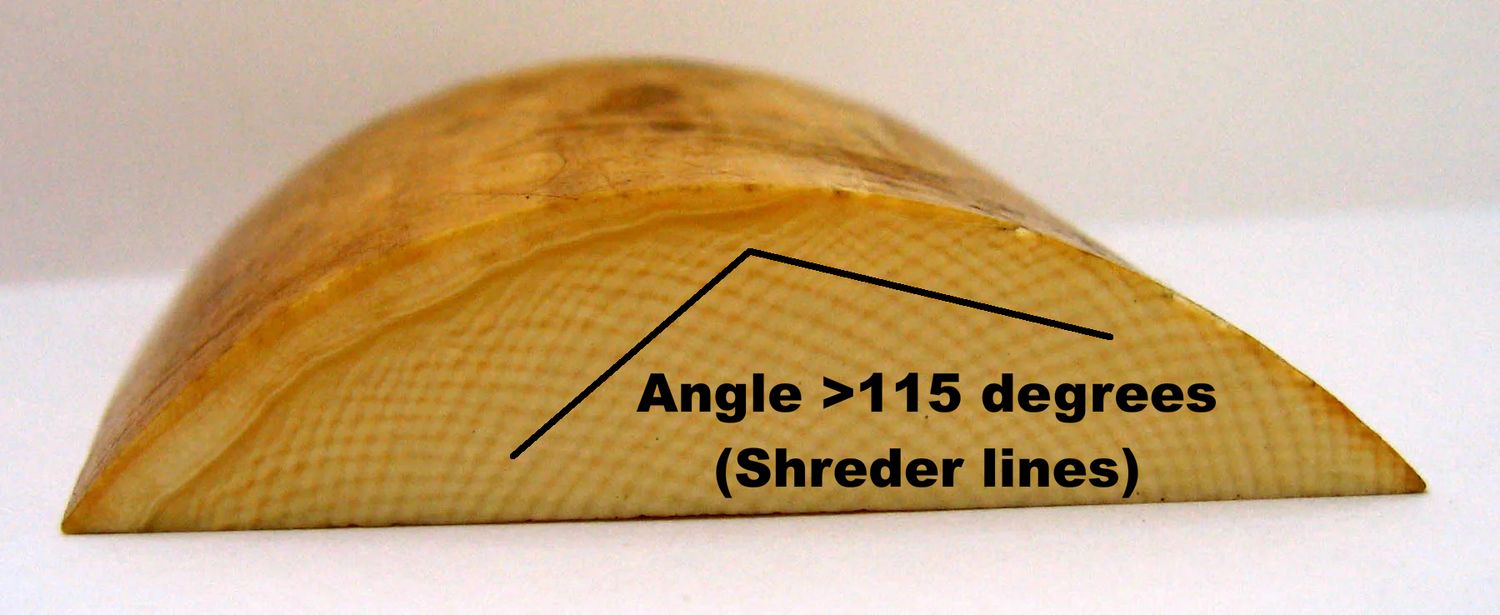
Both mammoth and elephant ivory display a unique cross-hatched pattern known as Schreger lines. These lines are formed by the internal structure of dentin tubules within the tusk.
The angle at which these lines intersect is the primary scientific method used by museums, forensic experts, CITES authorities, and customs agencies worldwide.
Mammoth Ivory Schreger Angles
In mammoth ivory, Schreger lines typically intersect at acute angles:
• Usually less than 90°
• Dense cross-hatched appearance
• Tight pattern formation
• Visible mineralization zones
• Often displays multiple color variations
Elephant Ivory Schreger Angles
In elephant ivory, Schreger lines generally intersect at obtuse angles:
• Usually greater than 115°
• Wider pattern spacing
• More uniform appearance
• Consistent white or cream coloration
• Little or no fossil mineralization
This difference remains the gold standard for ivory identification.
Characteristics of Genuine Mammoth Ivory
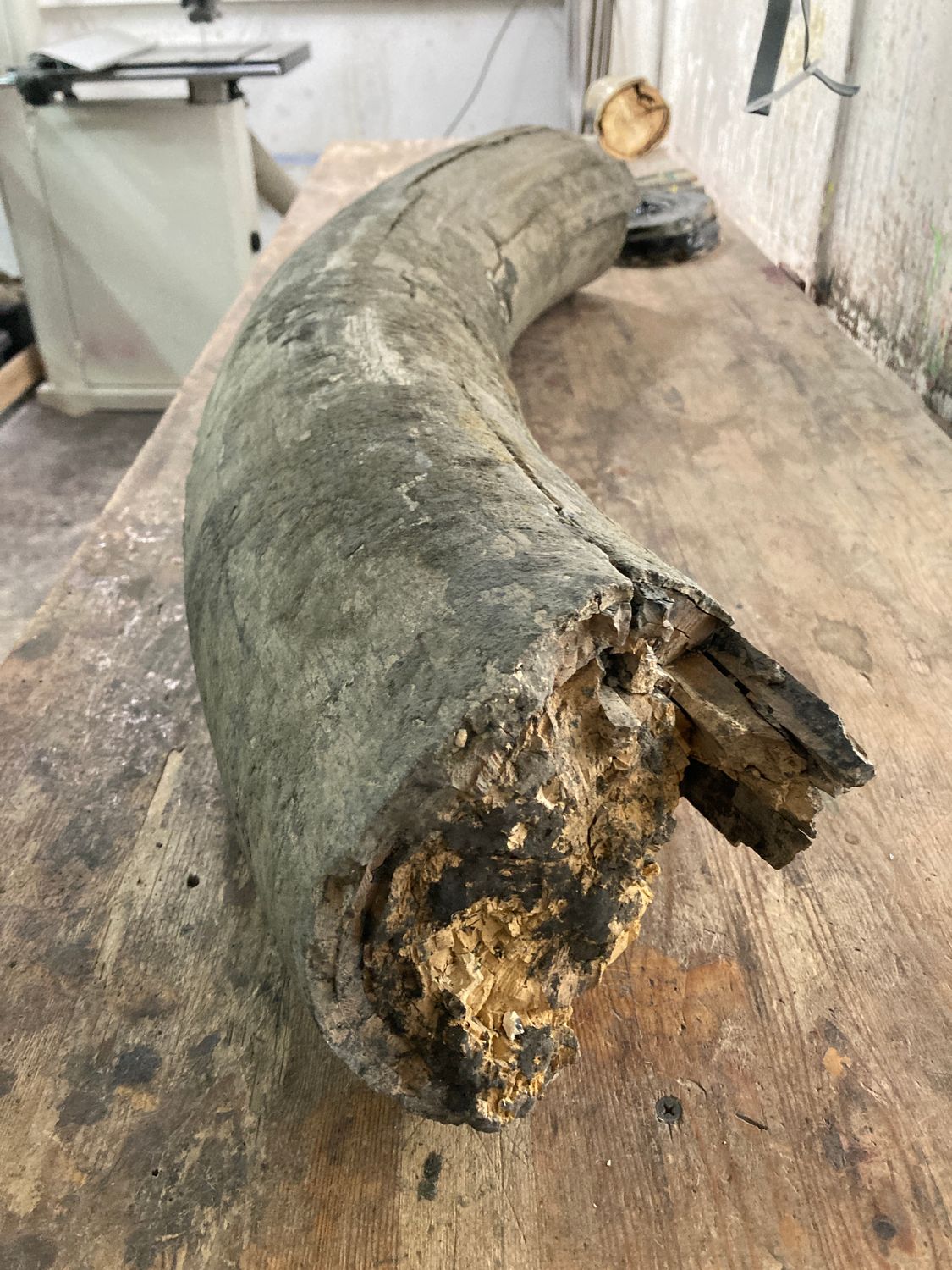
1. Fossilized Outer Bark
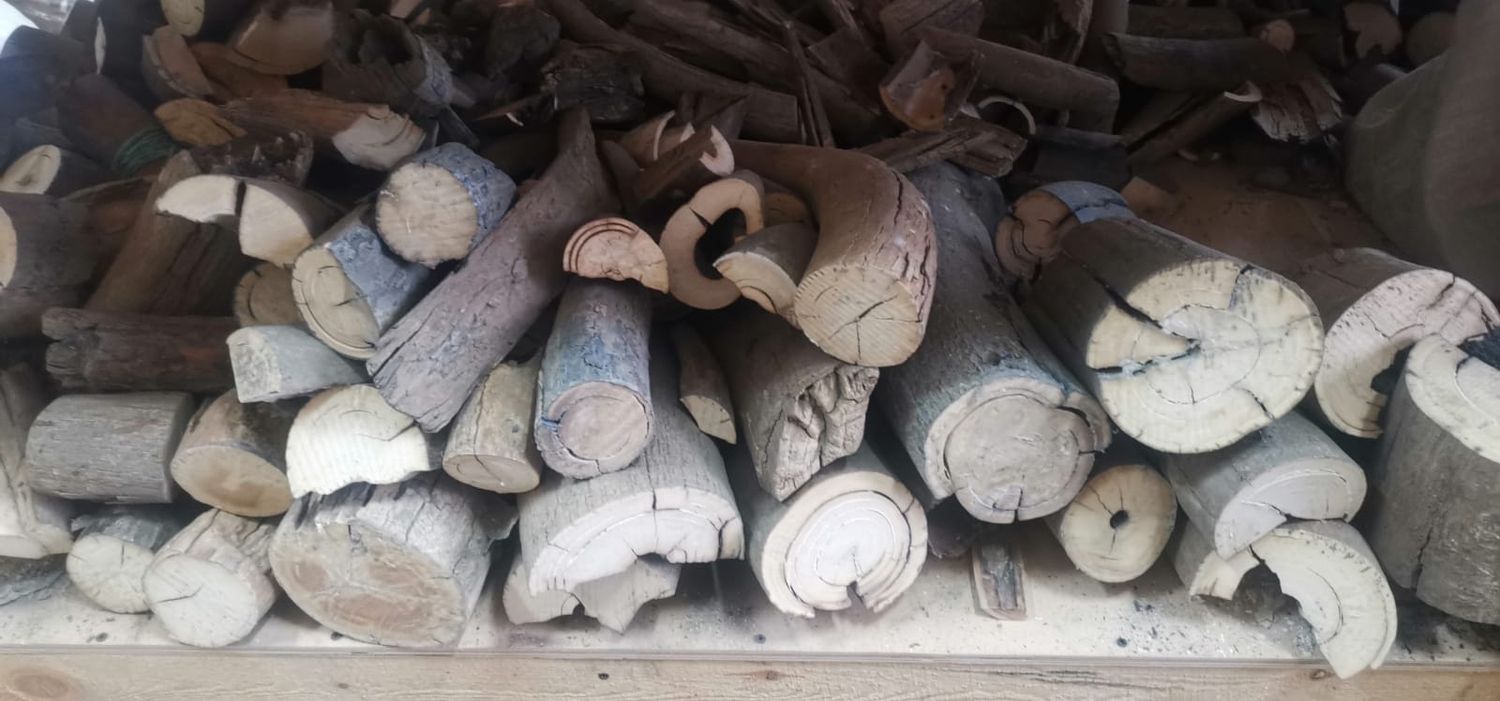
Most mammoth tusks recovered from the permafrost regions of Siberia and Alaska retain portions of their original fossilized outer layer.
This outer bark typically appears as:
• Dark brown to nearly black coloration
• Rough texture
• Irregular surface features
• Wood-bark-like appearance
The presence of fossilized bark is one of the strongest indicators of authentic mammoth ivory.
2. Natural Color Variations
Unlike elephant ivory, mammoth ivory is rarely pure white.
Common colors include:
• Cream
• Honey
• Golden
• Caramel
• Brown
• Gray
• Blue
• Black
These colors develop naturally through thousands of years of mineralization within the ground.
Minerals such as iron, manganese, and copper contribute to the unique color palette highly valued by collectors and knife makers.
3. Smaller Internal Pulp Cavity
Quality sections of mammoth ivory generally feature:
• Thick ivory walls
• Dense structure
• Relatively small internal cavity
Compared to elephant ivory, mammoth tusks often provide more usable solid material.
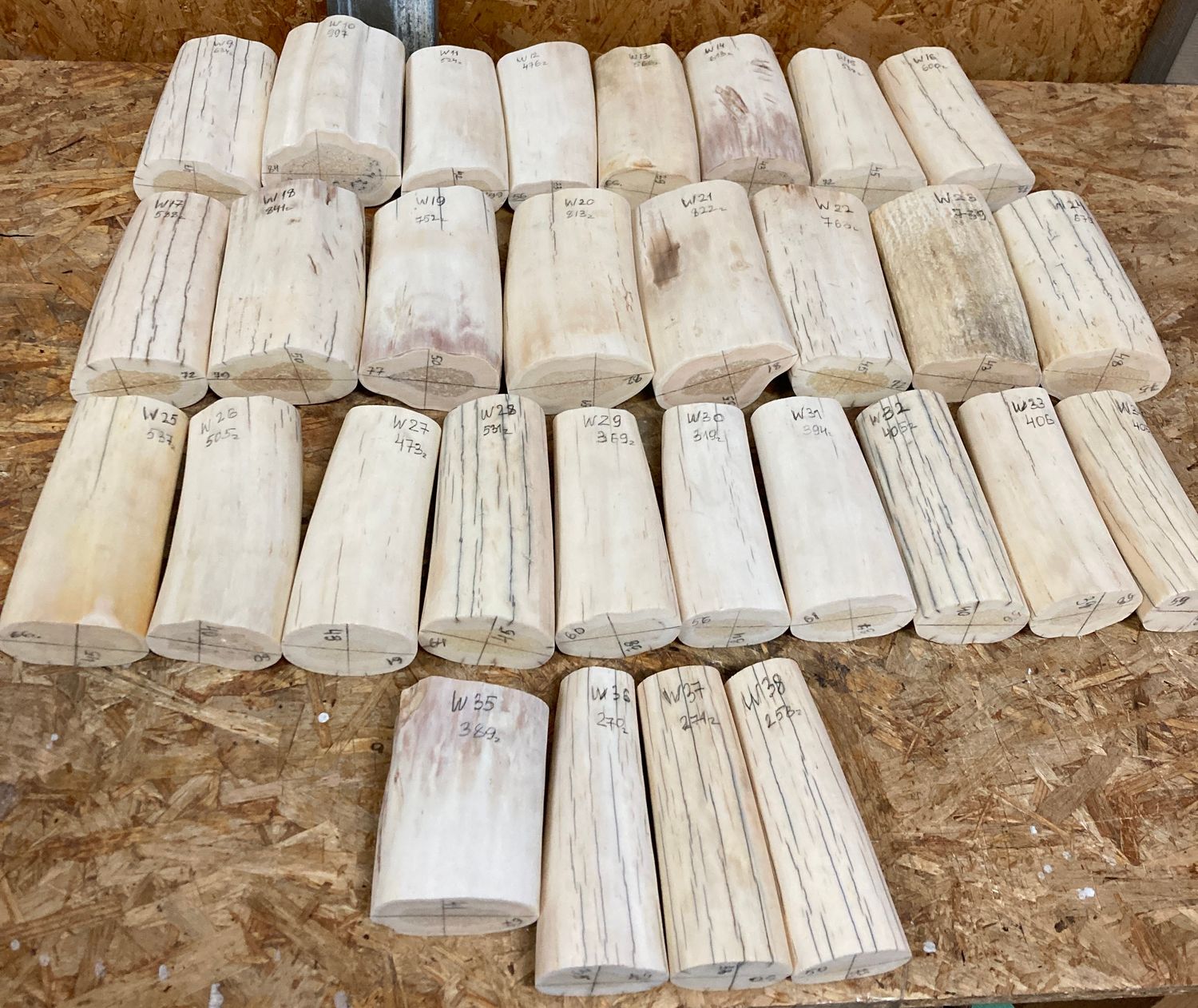
How to Identify Walrus Tusk
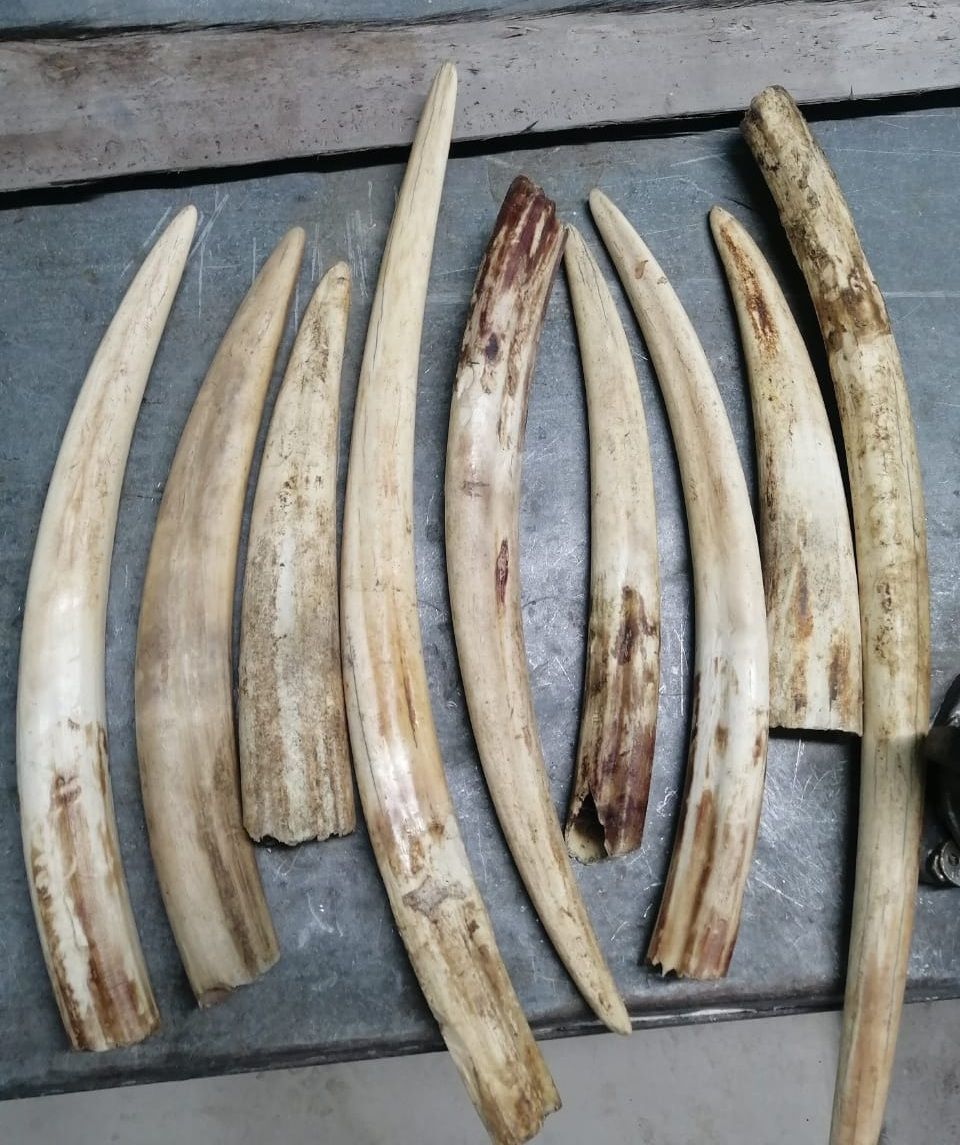
Walrus tusk is another material commonly confused with mammoth ivory.
Fortunately, distinguishing the two is usually straightforward.
Characteristics of Walrus Tusk
• Typically shorter than 28 inches (70 cm)
• Contains a large internal pulp cavity
• No Schreger line pattern
• No cross-hatched dentin structure
• Longitudinal cracks and grooves are common
• Distinct layered appearance
When viewed in cross-section, walrus tusk looks significantly different from mammoth ivory.
How to Spot Fake Mammoth Ivory
Animal Bone
One of the most common substitutes is animal bone, including:
• Cow bone
• Horse bone
• Camel bone
Signs of bone include:
• Porous texture
• Visible vascular channels
• Small holes throughout the material
• Lack of Schreger lines
• Hollow interior sections
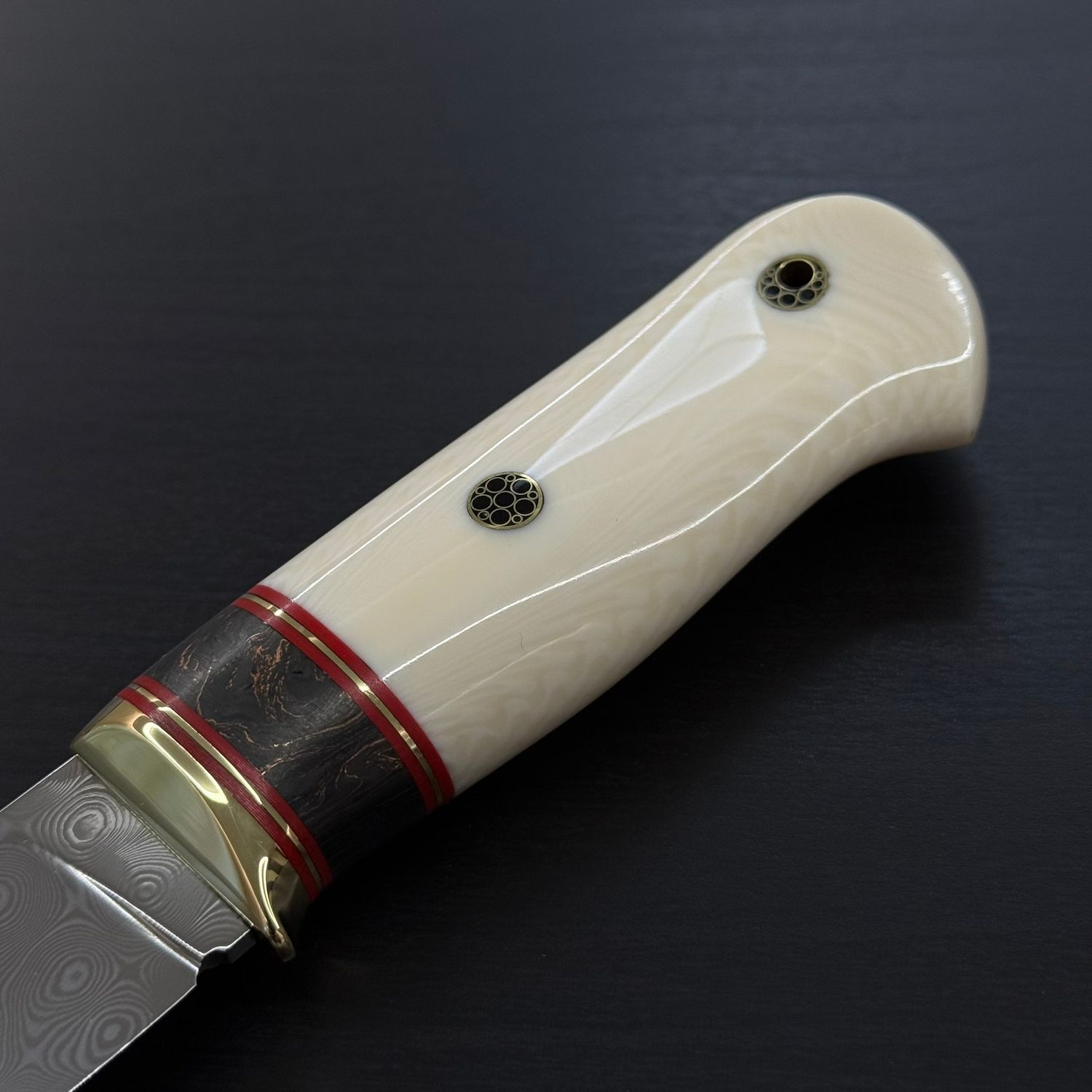
Plastic and Synthetic Ivory
Modern synthetic materials can look convincing from a distance.
However, they often reveal themselves through:
• Uniform patterns
• Lack of natural cracks
• Mold seams
• Lightweight feel
• Absence of dentin structure
• Artificial coloration
Why Mammoth Ivory Is Considered an Ethical Ivory Alternative
Mammoth ivory comes from naturally preserved remains of extinct woolly mammoths recovered from permafrost regions of Siberia and Alaska.
Most commercially available tusks are between 10,000 and 40,000 years old.
Unlike elephant ivory:
• No living animals are harmed
• No endangered species are affected
• Harvesting does not impact modern wildlife populations
The material is legal in many jurisdictions when properly documented
For these reasons, mammoth ivory is widely considered the only ethical and sustainable form of fossil ivory available for artisans and collectors.
Conclusion
The most reliable way to identify mammoth ivory is by examining the Schreger line angles on a cross-section.
Additional indicators include:
• Fossilized outer bark
• Natural mineral coloration
• Dense internal structure
• Smaller pulp cavity
• Evidence of long-term fossilization
For custom knife makers, collectors, and artisans, mammoth ivory remains one of the most desirable natural materials available due to its unique appearance, fascinating history, and legal availability in many regions.
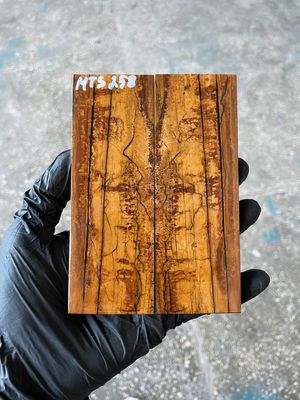
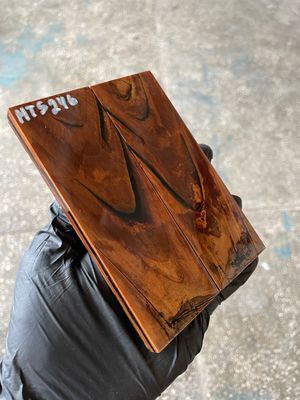
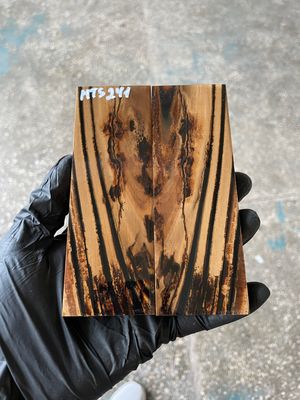
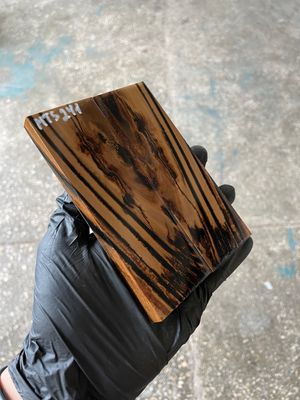
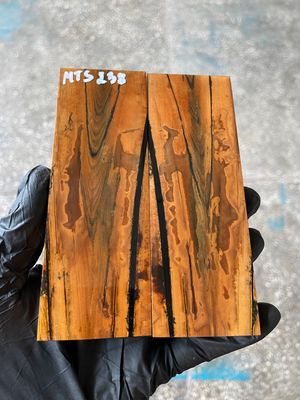
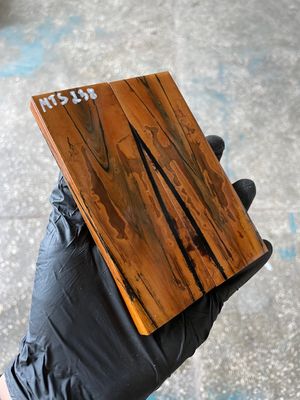
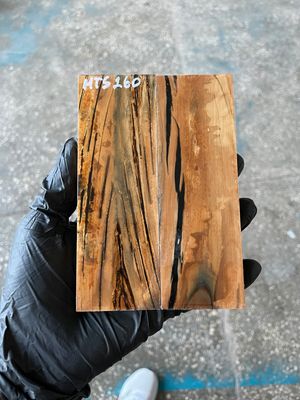
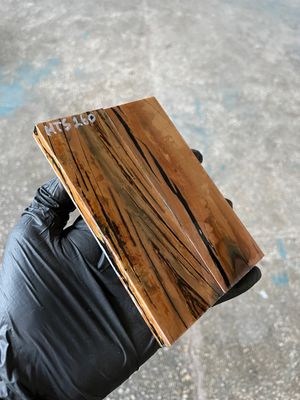
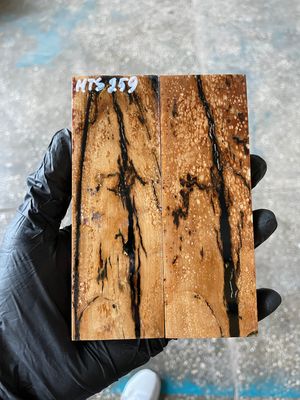
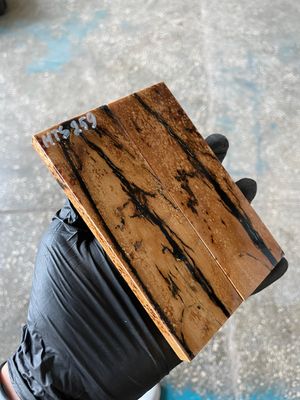
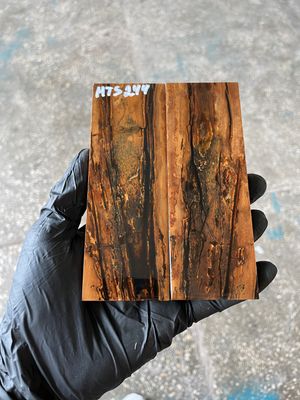
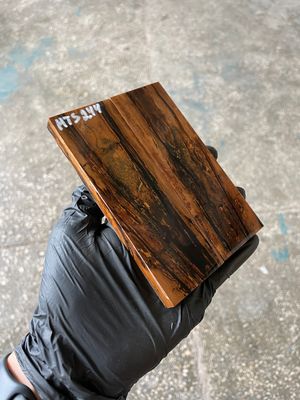
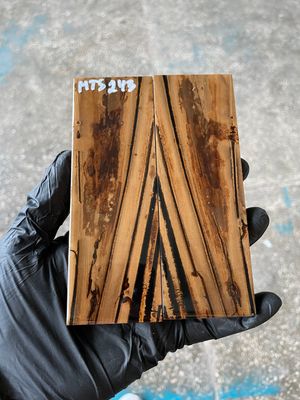
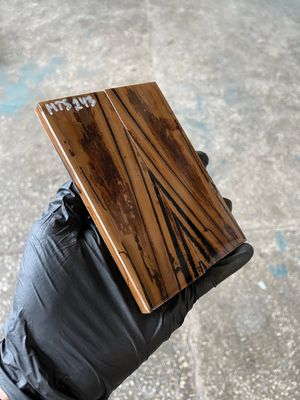
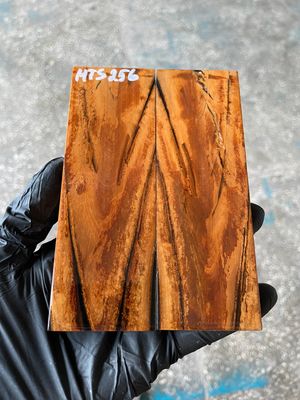
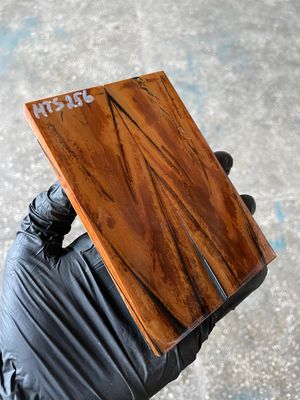
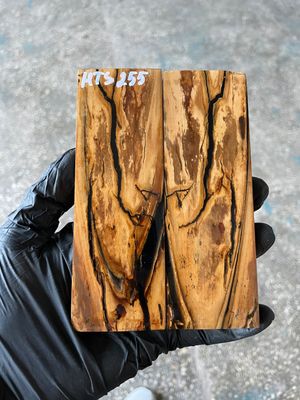
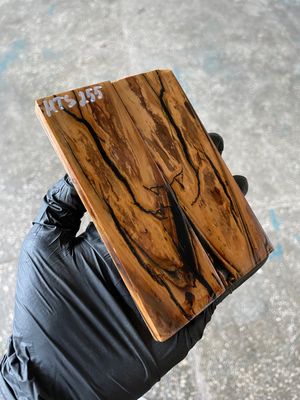
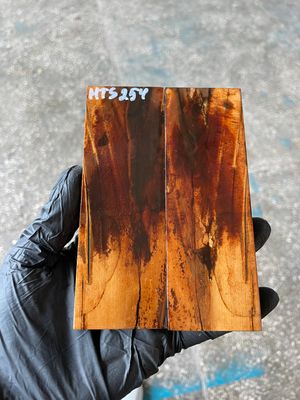
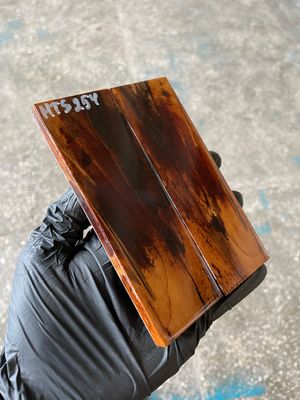
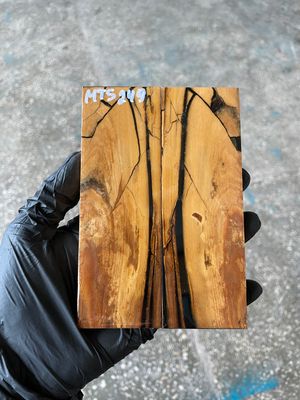
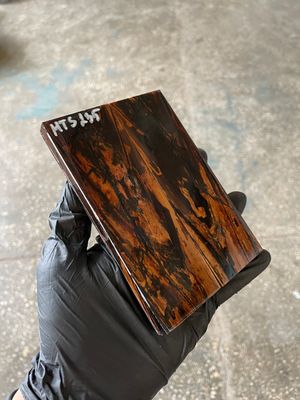
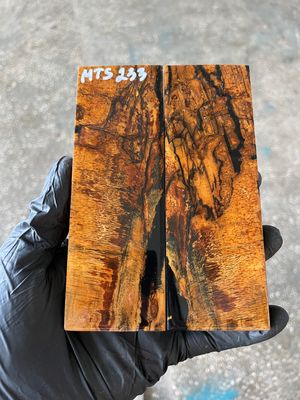
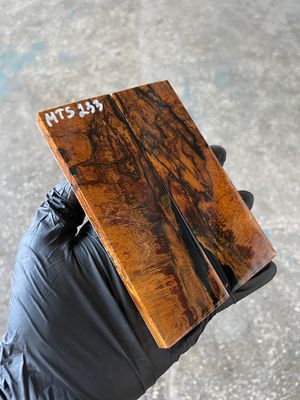
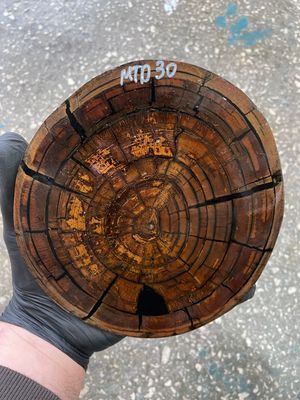
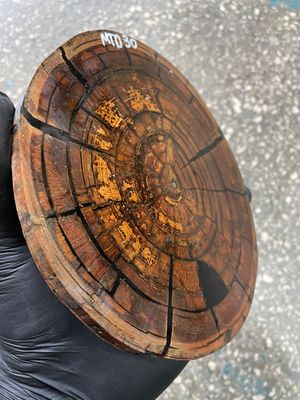
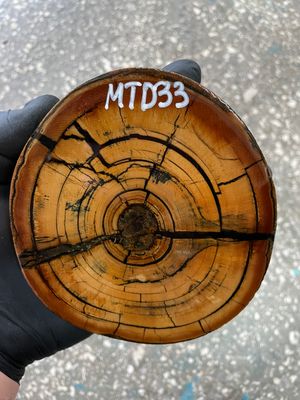
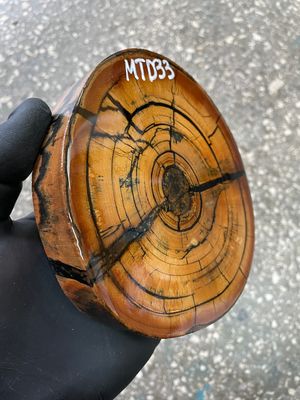
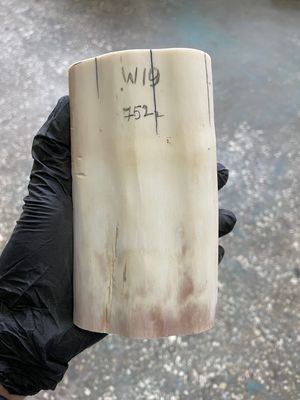
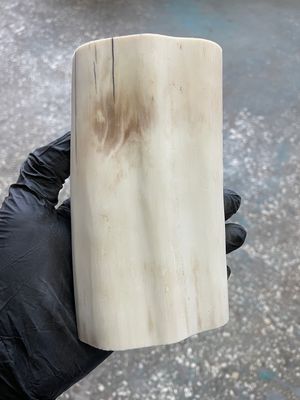
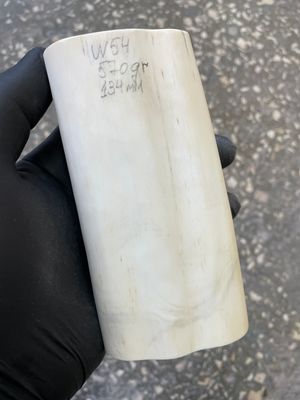
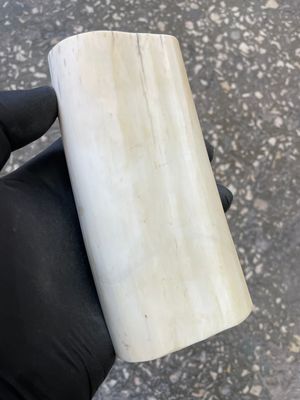
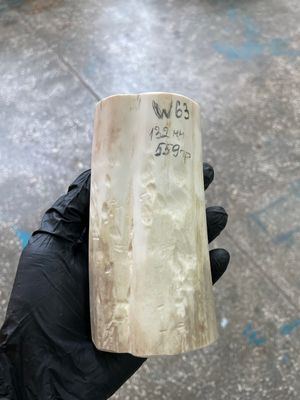
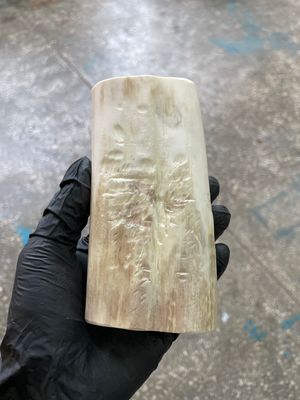
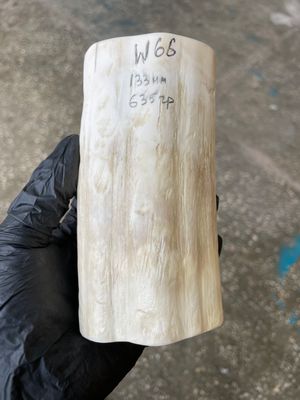
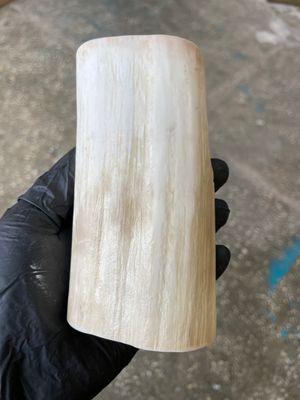
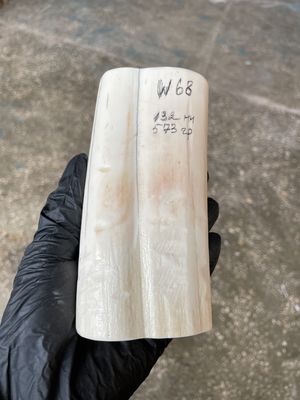
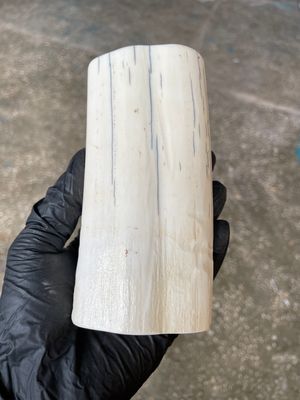
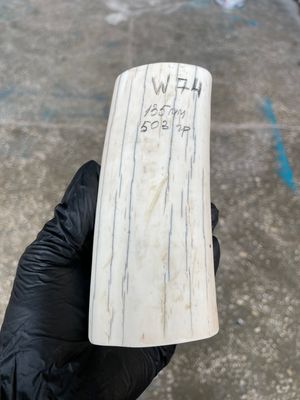
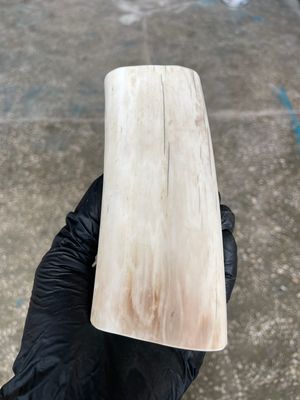
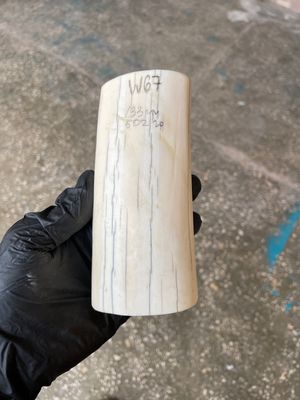
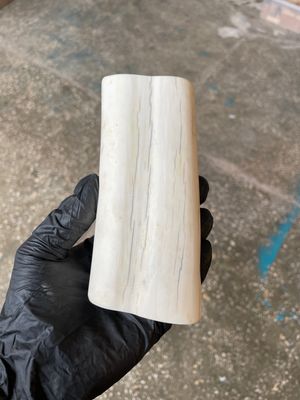
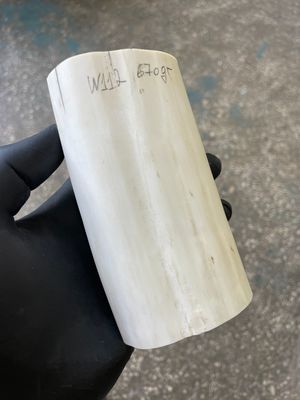
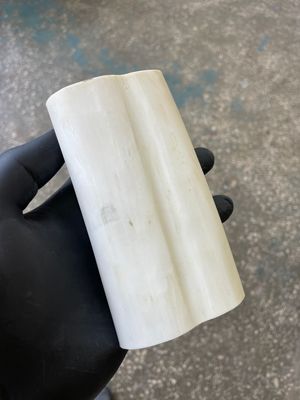
You can buy stabilized mammoth tusks and walrus tusk using the links below.
Mammoth Tusk Scales For Sale:
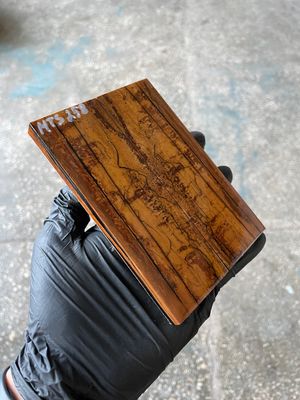
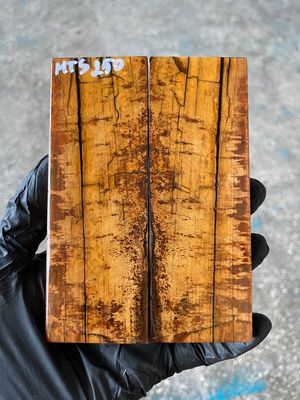
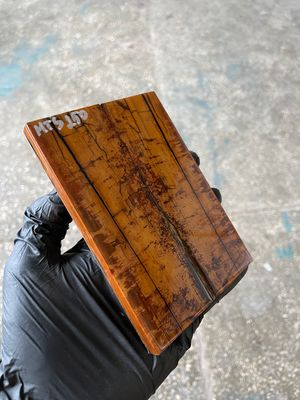
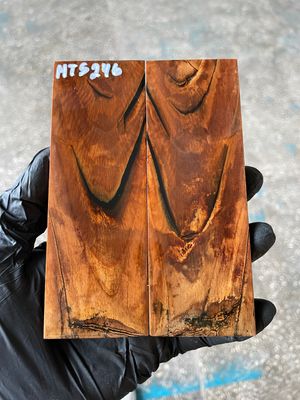
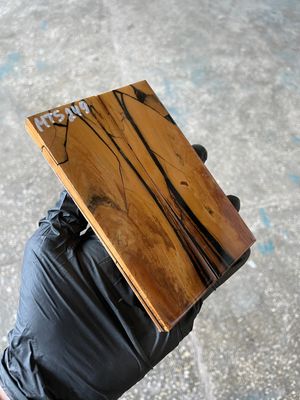
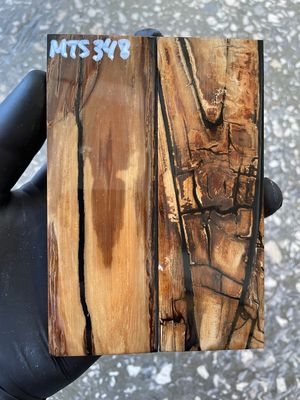
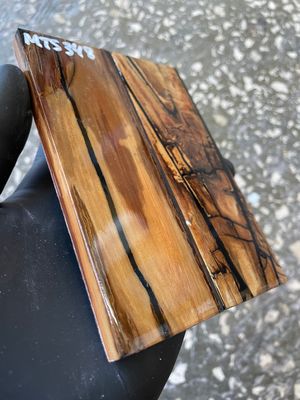
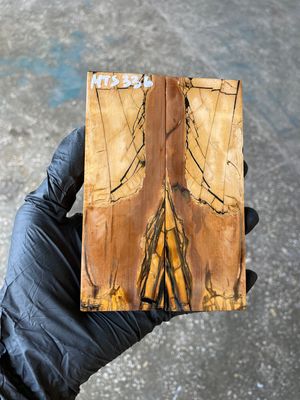
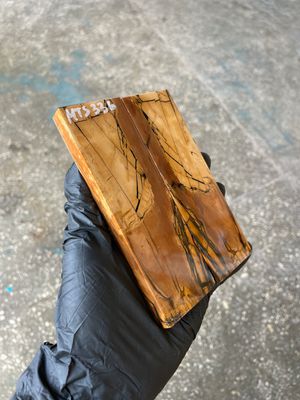
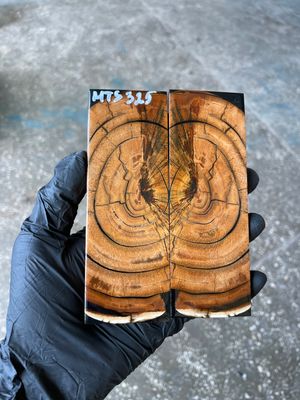
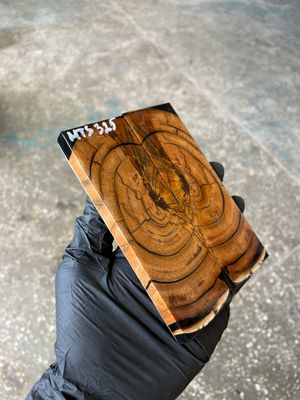
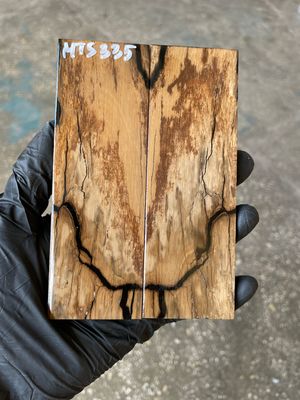
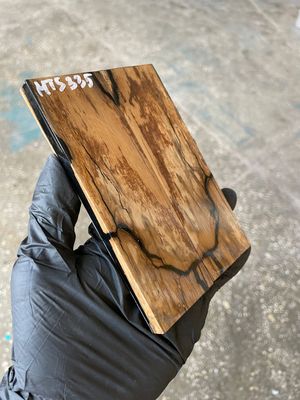
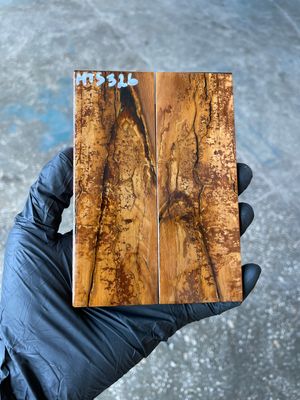
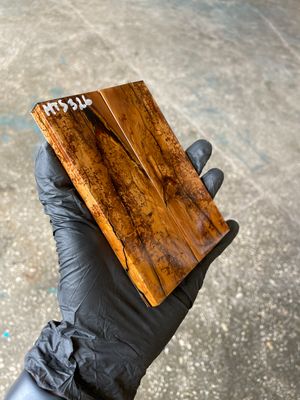
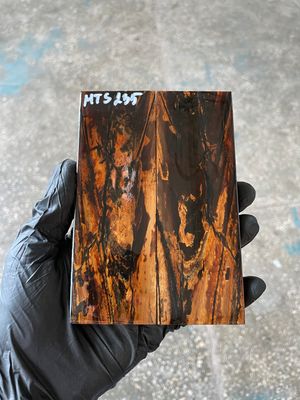
Walrus Tusk For Sale:
Frequently Asked Questions
How can I tell if ivory is mammoth ivory?
Look for Schreger lines on a cross-section. Mammoth ivory typically has angles under 90°, fossilized bark, natural mineral colors, and signs of fossilization.
What are Schreger lines?
Schreger lines are cross-hatched patterns formed by dentin tubules inside ivory. Their angle helps experts distinguish mammoth ivory from elephant ivory.
Is mammoth ivory legal in the United States?
Generally yes. Mammoth ivory is not covered by federal elephant ivory restrictions because mammoths are extinct. However, some states have additional regulations, so always verify local laws.
Why is mammoth ivory colorful?
Minerals absorbed during thousands of years underground create colors ranging from honey and gold to blue, gray, brown, and black.
How old is mammoth ivory?
Most commercial mammoth ivory ranges from 10,000 to 40,000 years old, although some specimens are significantly older.
Can mammoth ivory be stabilized?
Yes. Stabilization with specialized resins can improve durability, reduce cracking, and increase moisture resistance.
Is mammoth ivory good for knife handles?
Absolutely. Mammoth ivory is considered one of the most prestigious handle materials due to its rarity, beauty, and unique color variations.
How do I tell mammoth ivory from walrus tusk?
Walrus tusk lacks Schreger lines, has a larger pulp cavity, and displays a layered internal structure with longitudinal grooves.
How do I identify fake mammoth ivory?
Fake mammoth ivory often lacks Schreger lines, natural cracks, dentin structure, and fossilization features. Plastic imitations may also show mold seams and uniform coloration.
Where does mammoth ivory come from?
Most commercial mammoth ivory is recovered from permafrost regions in Yakutia (Siberia), with smaller quantities found in Alaska and Canada.
FossilUSA
Premium stabilized materials for knife making
Contact:
dimafan777@gmail.com



Secure Payments
PayPal · Visa · Mastercard