
How to Cut a Mammoth Tooth Block for Knife Handles
06.14.2026
Stabilized mammoth tooth is one of the most sought-after handle materials in the custom knife world. Its unique prehistoric origin, vibrant colors, and intricate natural patterns make every knife truly one of a kind.
However, many knife makers who purchase their first mammoth tooth block quickly ask the same question:
How do you cut mammoth tooth without damaging it?
The good news is that mammoth tooth can be cut successfully in a home workshop. The key is understanding the material and using the right approach.
Understanding Mammoth Tooth Structure
Unlike most natural handle materials, mammoth tooth is not simply bone.
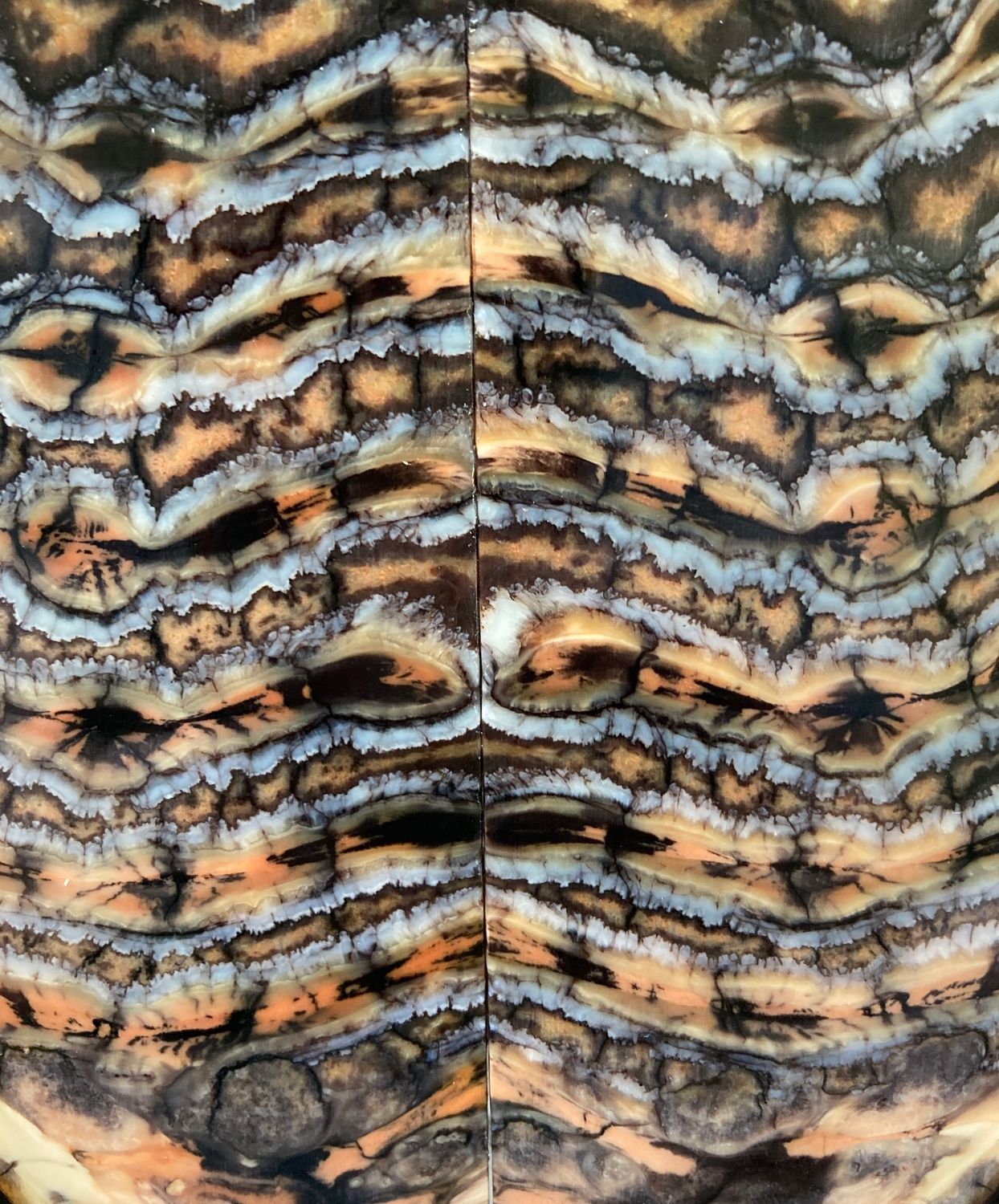
The dentin layers inside a mammoth tooth are extremely hard and dense. In many ways, mammoth tooth behaves more like stone than bone during machining and cutting.
Because of its complex structure, different areas of the same block may vary in hardness. This is completely normal and is one of the reasons mammoth tooth creates such spectacular patterns when finished.
How We Cut Mammoth Tooth
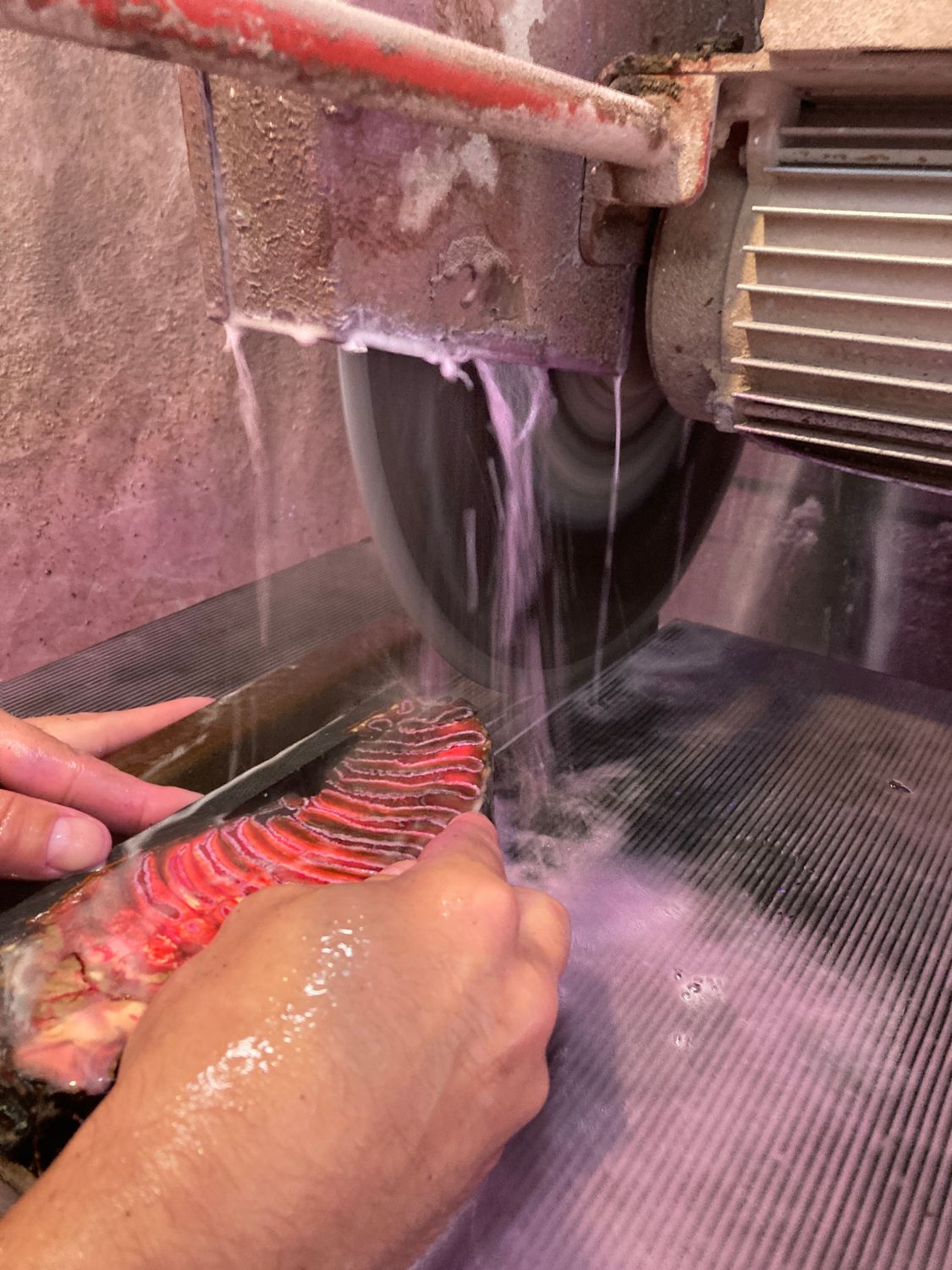
At FossilUSA, we process mammoth tooth using professional stone-cutting equipment with water-cooled diamond blades.
Water cooling helps reduce heat buildup and minimizes stress on the material during cutting.
Most knife makers do not have access to industrial stone-cutting machinery, but several practical alternatives work very well.
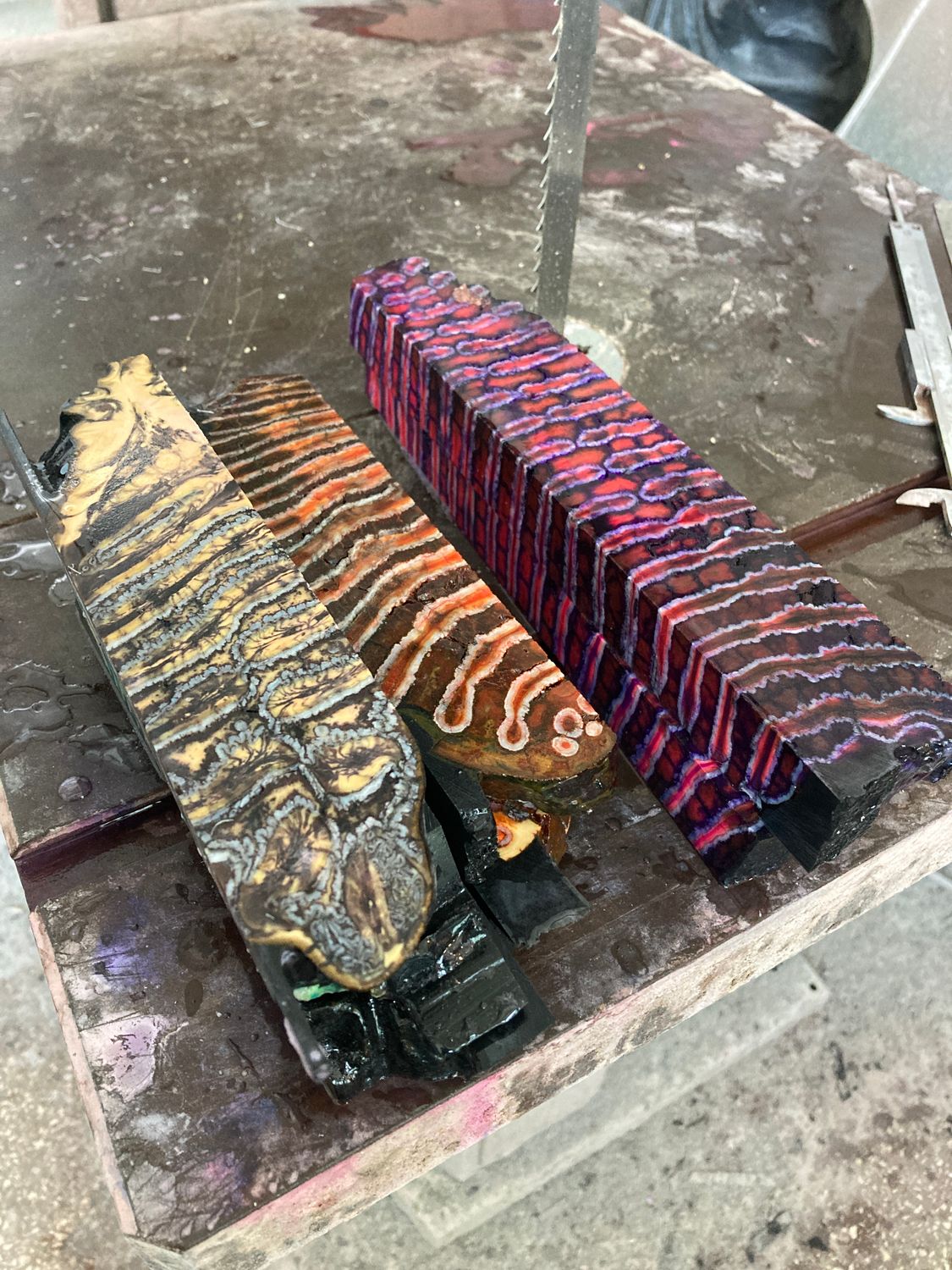
Best Tools for Cutting Mammoth Tooth
Tile Saw with Diamond Blade
One of the most effective options is a standard tile saw.
A quality diamond blade designed for ceramic tile, stone, or glass will cut stabilized mammoth tooth cleanly while keeping temperatures under control.
For many custom knife makers, this is the easiest and most affordable solution.
Cut-Off Saw with Diamond Wheel
A cutoff machine equipped with a diamond wheel designed for stone, ceramic, or glass can also work well.
Use light pressure and allow the blade to do the work. Forcing the cut may increase the chance of chipping.
Carbide-Tipped Bandsaw Blade
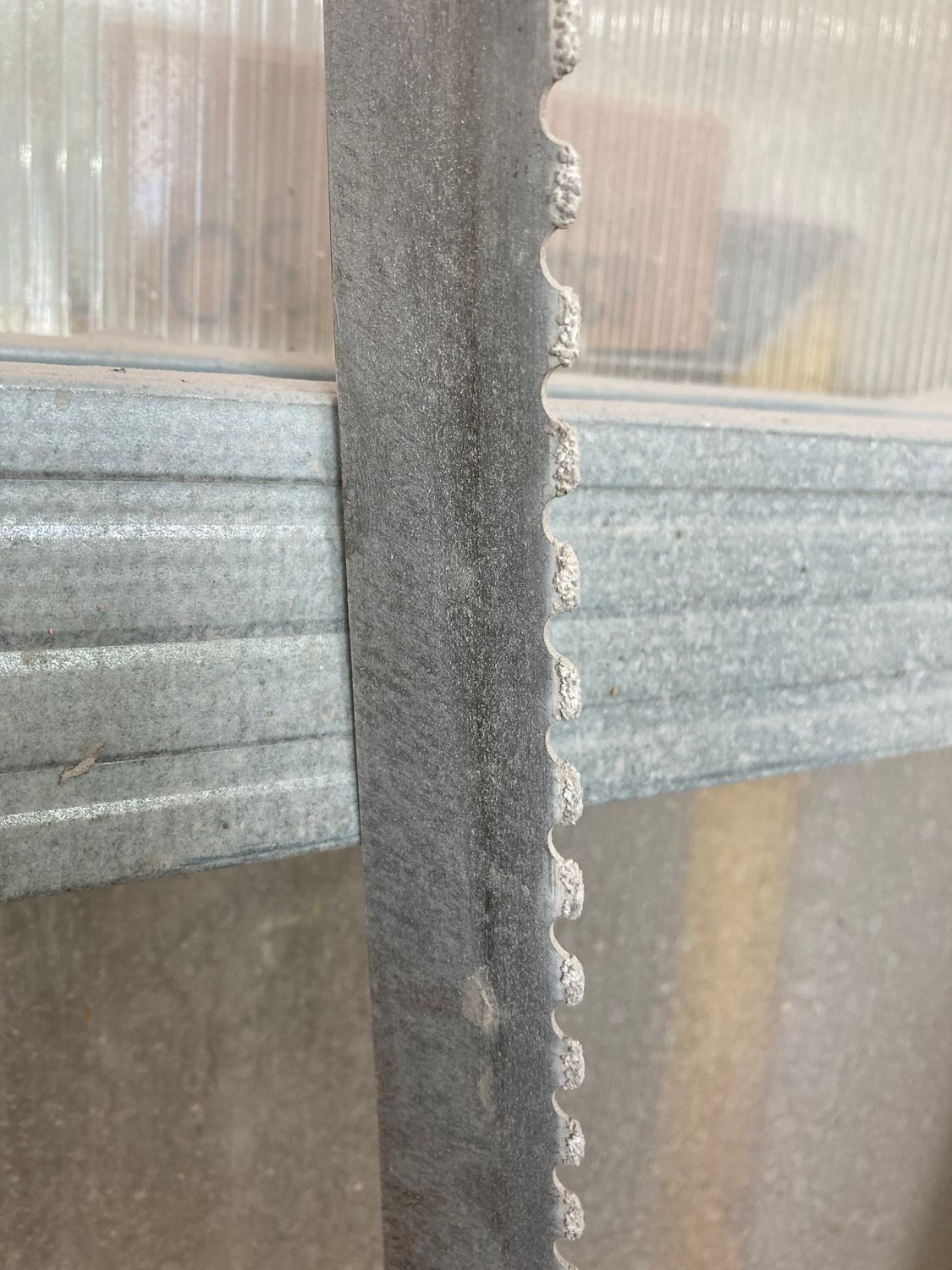
Some makers successfully use bandsaws fitted with carbide-tipped blades.
These blades handle abrasive materials much better than standard woodworking blades and generally provide smoother cuts.
Standard Woodworking Blade
Can you cut mammoth tooth with a regular woodworking blade?
Yes.
However, it is far from ideal.
A standard wood blade will usually cut through the material eventually, but the process is slow and generates significant heat. The blade tends to burn rather than efficiently remove material, and blade wear is much higher.
If this is the only equipment available, it can still be done - but expect a slower cutting process.
How to Prevent Chipping
One of the biggest concerns when working with mammoth tooth is edge chipping.
A simple technique can significantly reduce the risk.
Before cutting, wrap the block or scale tightly with painter's tape. The tape helps support the edges during the cut and can reduce small chips from forming.
We also apply an automotive-grade clear coat to many of our mammoth tooth blocks and scales before shipping. This additional surface protection helps reduce the likelihood of chipping and cracking during cutting and shaping.
What If a Chip Occurs?
Don't panic.
Even experienced makers occasionally encounter a chip when cutting mammoth tooth.
In most cases, the repair is straightforward.
Use a high-quality cyanoacrylate (CA) glue to bond the chipped piece back into place. Once cured, the material can usually be cut again without issue.
This repair method is commonly used by knife makers who regularly work with stabilized mammoth tooth.
Ventilation Is Important
Another reason some makers hesitate to work with mammoth tooth is the smell produced during grinding and shaping.
Like many natural materials, mammoth tooth can create a distinctive odor when machined.
For this reason, good workshop ventilation is highly recommended. Dust collection and respiratory protection are also important when working with any handle material.
New to Mammoth Tooth?
Many knife makers avoid mammoth tooth simply because they have never worked with it before.
The fear of damaging an expensive block or dealing with chipping often keeps makers from trying one of the most beautiful handle materials available.
If you're new to mammoth tooth, consider starting with a smaller spacer block rather than a full-size handle block. This allows you to become familiar with the material while keeping costs low.
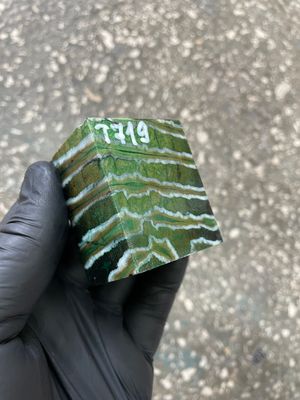
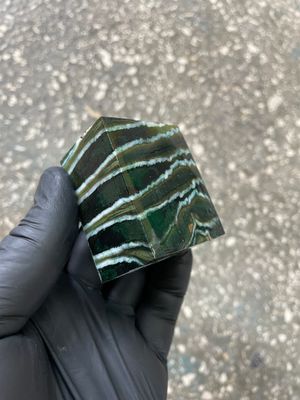
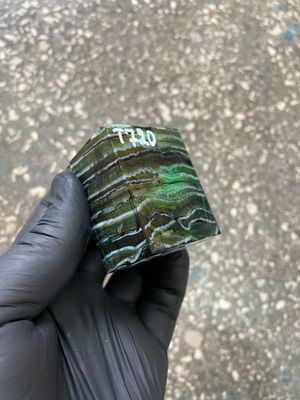
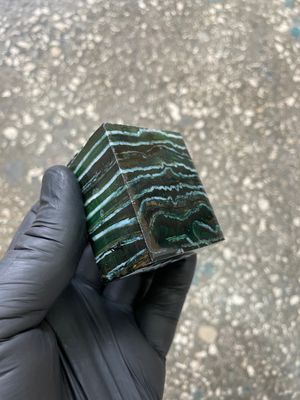
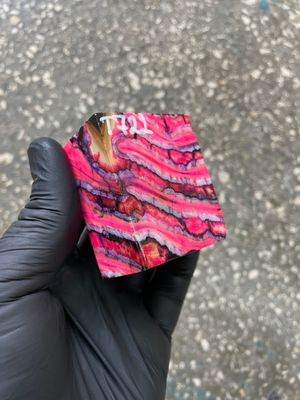
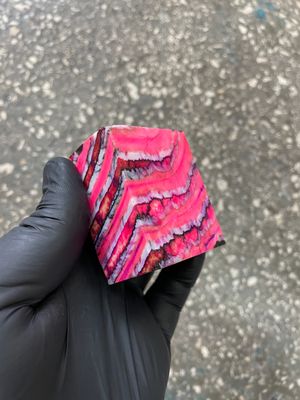
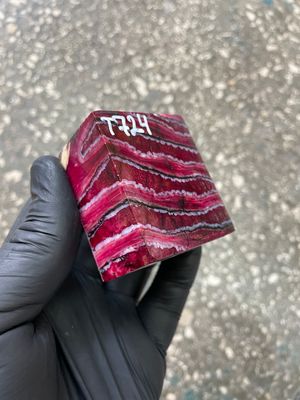
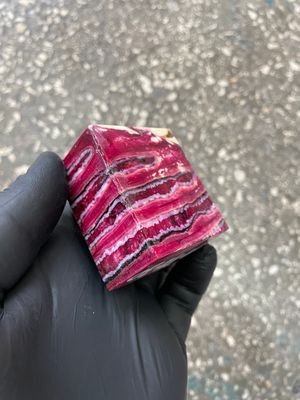
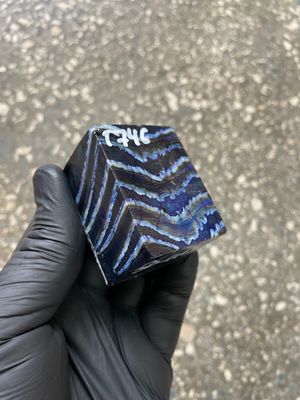
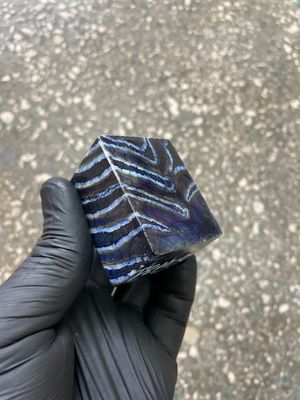
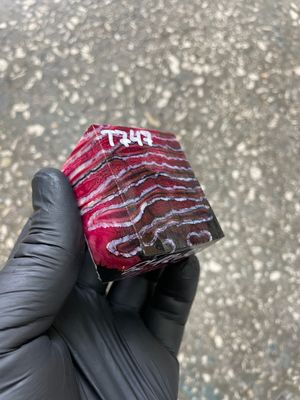
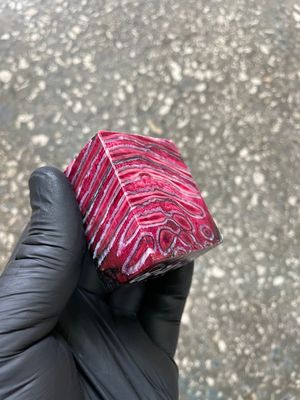
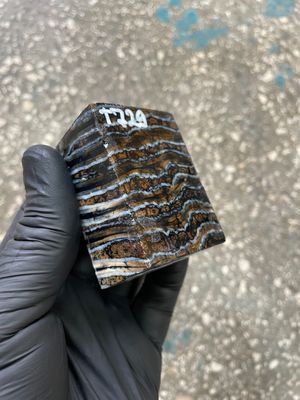
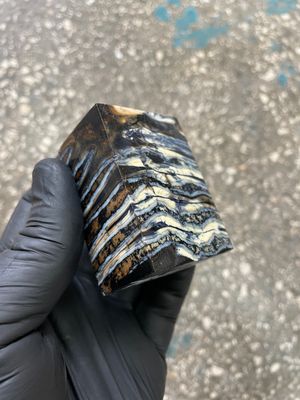
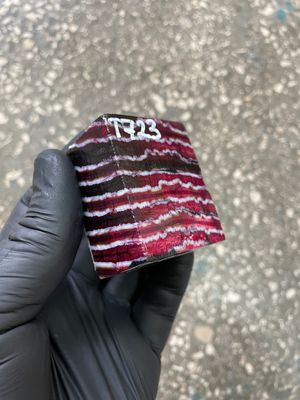
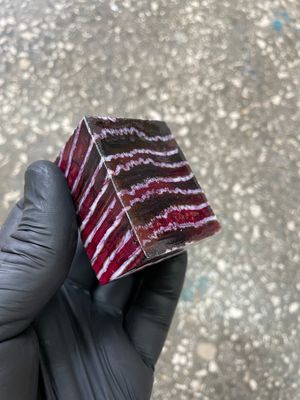
At FossilUSA, we regularly stock stabilized mammoth tooth spacer blocks in a variety of colors, sizes, and patterns specifically for makers who want to gain experience before committing to larger handle scales.
Final Thoughts
Working with stabilized mammoth tooth may seem intimidating at first, but the material is far more approachable than many makers expect.
With proper cutting tools, basic precautions, and a little patience, mammoth tooth can be machined successfully in virtually any knife-making shop.
The unique appearance, prehistoric history, and premium look of finished mammoth tooth handles make the extra effort worthwhile.
If you have never used mammoth tooth in a knife project before, now is the perfect time to give this remarkable material a try.
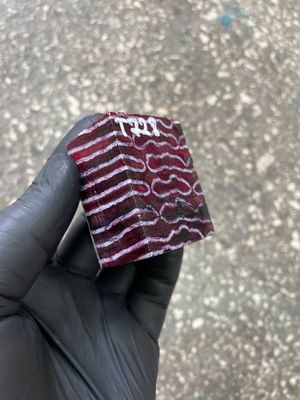
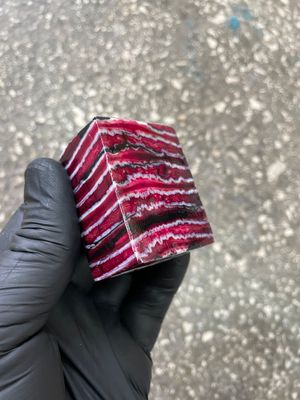
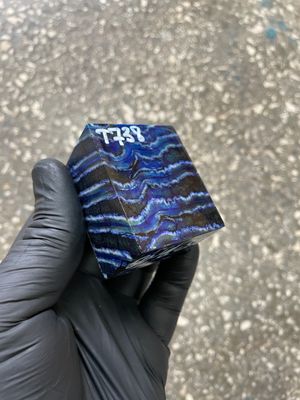
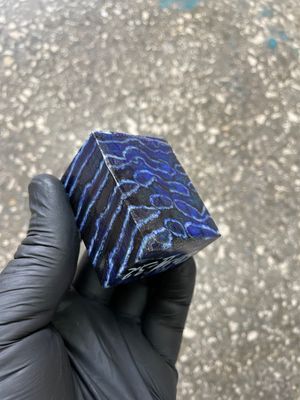
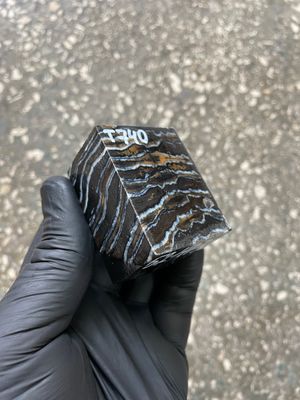
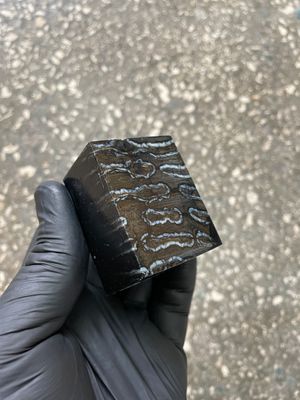
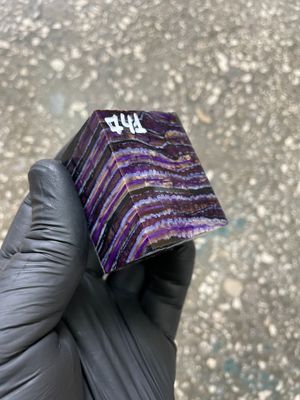
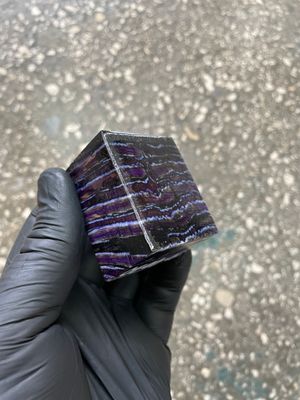
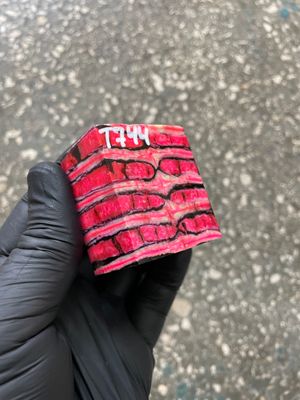
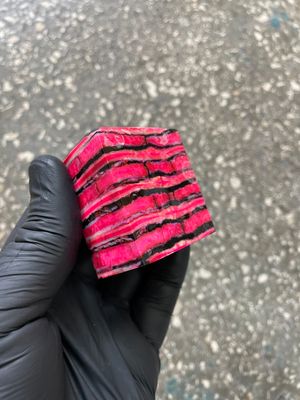
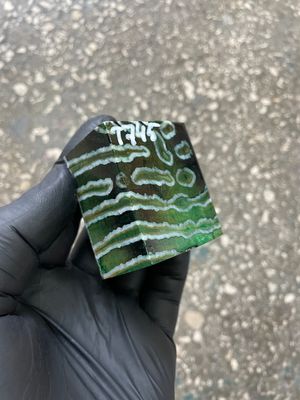
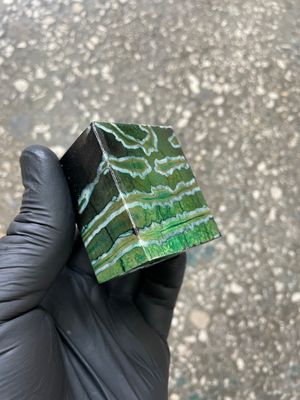
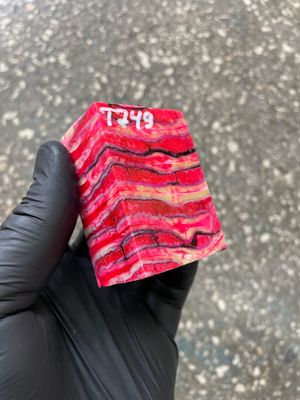
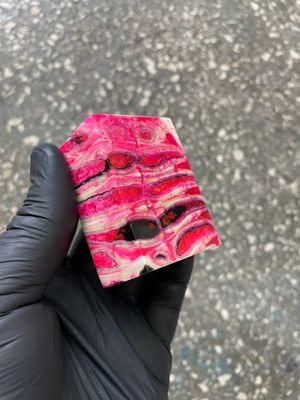
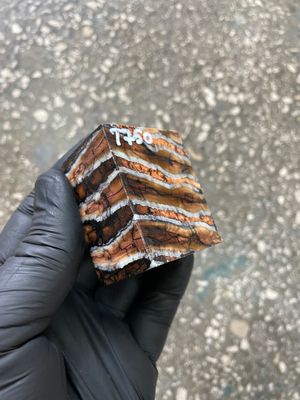
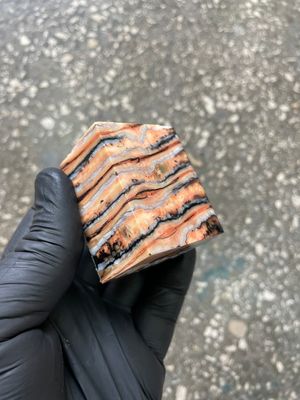
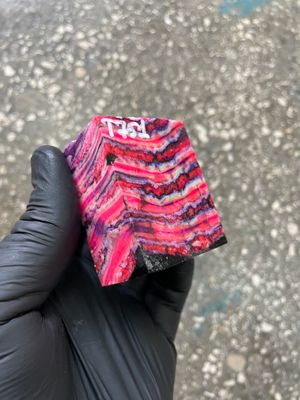
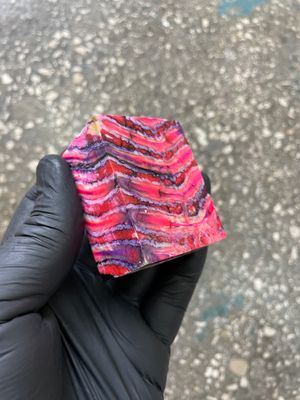
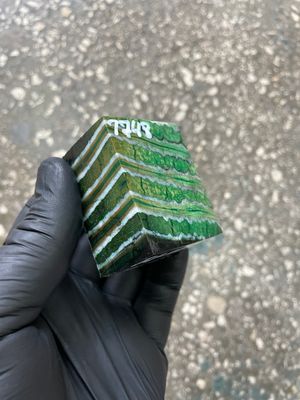
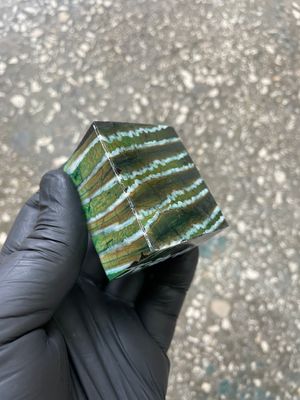
Mammoth Tooth Spacer Block For Sale:
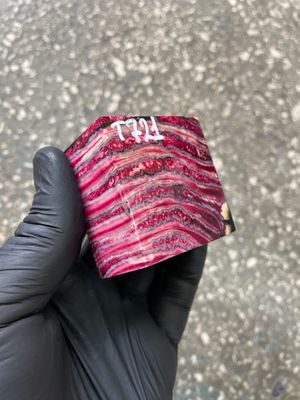
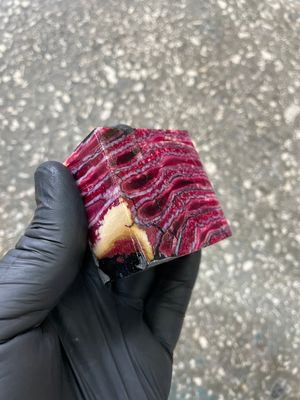
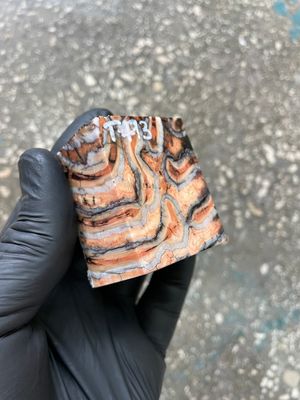
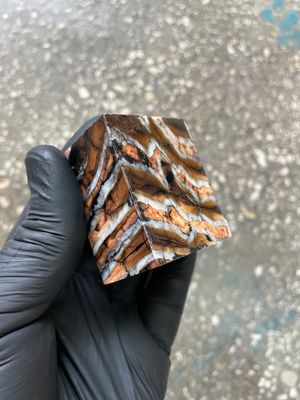
Frequently Asked Questions About Cutting Mammoth Tooth
Is mammoth tooth harder than bone?
Yes. Stabilized mammoth tooth is significantly harder and denser than most bone materials used for knife handles. The dentin structure is highly mineralized, causing mammoth tooth to behave more like stone than traditional bone during cutting and shaping.
Can you cut mammoth tooth with a bandsaw?
Yes. A bandsaw equipped with a carbide-tipped blade can cut mammoth tooth effectively. Carbide teeth withstand the abrasive nature of the material much better than standard woodworking blades.
What blade should I use to cut mammoth tooth?
Diamond blades designed for ceramic tile, glass, or stone generally provide the best results. These blades cut efficiently, generate less heat, and help reduce the risk of chipping.
Can I use a regular woodworking saw blade?
Yes, but it is not ideal. A standard woodworking blade will cut stabilized mammoth tooth, but the process is slower and creates more heat. Blade wear is also significantly higher compared to diamond or carbide cutting tools.
Why does mammoth tooth chip during cutting?
Chipping usually occurs because mammoth tooth contains areas of varying density and hardness. Improper blade selection, excessive cutting pressure, or inadequate support near the cut line can increase the likelihood of chips.
How can I prevent mammoth tooth from chipping?
Wrapping the material with painter's tape before cutting is one of the simplest and most effective methods. Cutting slowly and using quality diamond or carbide tooling can also help minimize chipping.
Can chipped mammoth tooth be repaired?
Yes. Small chips can often be repaired using cyanoacrylate (CA) glue. Many experienced knife makers routinely use this technique when working with stabilized mammoth tooth.
Does mammoth tooth smell during machining?
Yes. Grinding and shaping mammoth tooth can produce a noticeable odor. Good workshop ventilation and dust collection are strongly recommended.
Is stabilized mammoth tooth suitable for beginner knife makers?
Absolutely. While many makers are initially intimidated by the material, stabilized mammoth tooth is manageable with proper tools and techniques. Beginners often benefit from starting with smaller spacer blocks before moving to full-size handle scales.
What is the best way to start working with mammoth tooth?
A small stabilized mammoth tooth spacer block is often the best introduction to the material. It allows makers to learn how the material cuts, grinds, and polishes before investing in larger handle blocks or scales.
FossilUSA
Premium stabilized materials for knife making
Contact:
dimafan777@gmail.com



Secure Payments
PayPal · Visa · Mastercard