
Mammoth Bog Oak: Ancient Wood from the Age of Mammoths
06.22.2026
What Is Mammoth Bog Oak?
Mammoth Bog Oak is a rare ancient oak wood that has spent hundreds or even thousands of years preserved beneath rivers, lakes, and peat bogs. During this time, the wood undergoes a natural transformation, developing a deep dark color, increased density, and remarkable durability.
Despite the name, Mammoth Bog Oak is not related to mammoth ivory. The term refers to ancient bog oak whose age often dates back to the same prehistoric period when mammoths still roamed the Earth.
Much like mammoth ivory, bog oak is a natural relic from the Ice Age, making it one of the most fascinating materials available to modern craftsmen.
How Is Bog Oak Formed?
The story of bog oak begins with an ordinary oak tree.
Centuries or even millennia ago, oak forests grew along riverbanks, floodplains, and wetlands. Over time, storms, floods, erosion, or natural aging caused some trees to fall into the water.
Instead of decaying, certain logs became buried beneath layers of silt, clay, sand, or peat. In these oxygen-poor environments, the normal process of decomposition slows dramatically.
Over hundreds and thousands of years, several natural processes occur:
• Oak tannins react with dissolved iron in the surrounding water.
• The wood gradually darkens.
• Minerals penetrate the cellular structure.
• The material becomes denser and more stable.
Nature essentially transforms ordinary oak into one of the world's most unique premium woods.
Why Is Bog Oak So Dark?
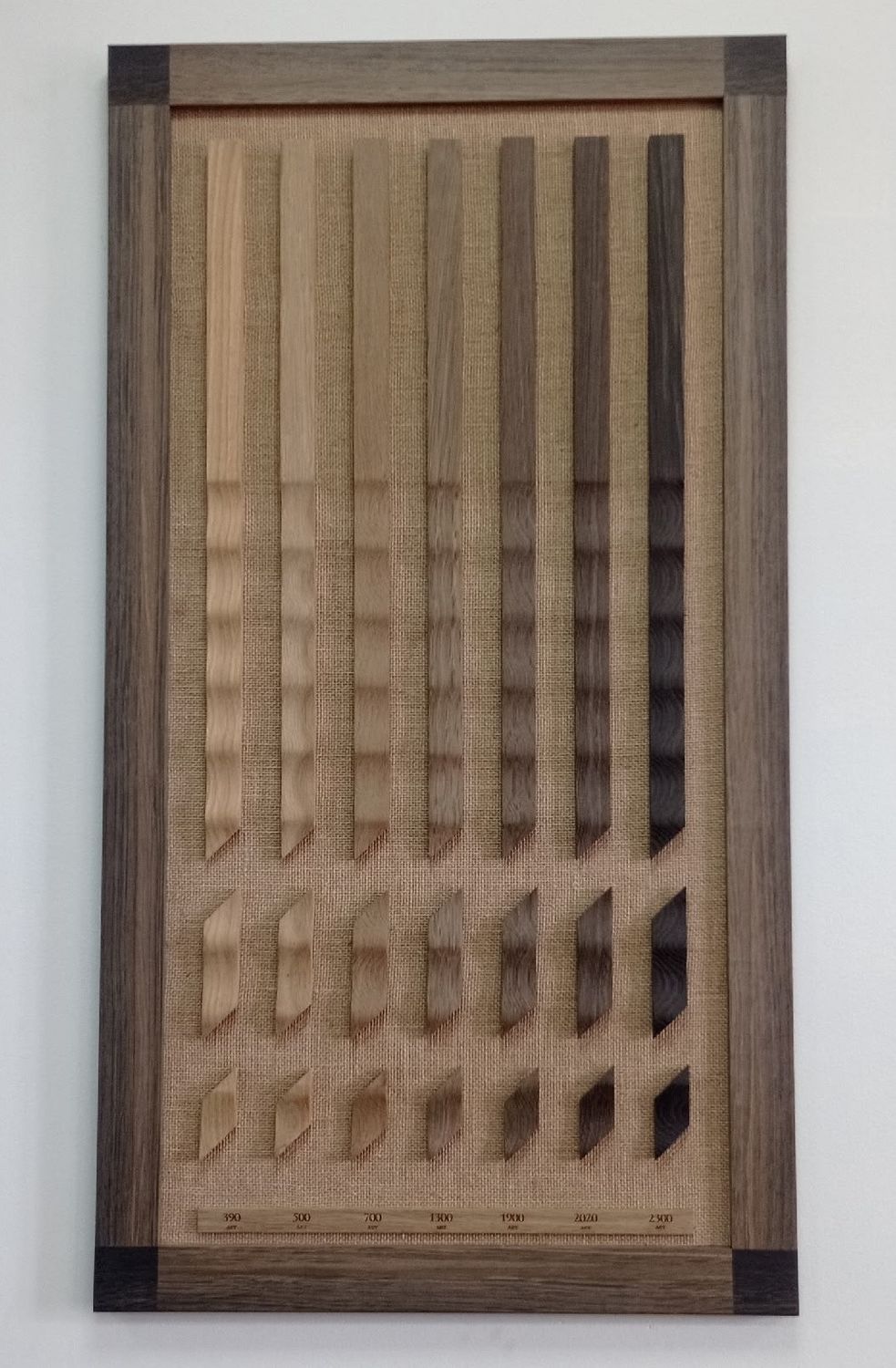
The characteristic black color of bog oak comes from a natural chemical reaction between tannins and iron compounds found in groundwater and sediment.
The same principle was historically used to produce iron gall ink, one of the most durable writing inks ever created.
Depending on age and environmental conditions, bog oak may range in color from:
• Dark brown
• Chocolate brown
• Charcoal gray
• Jet black
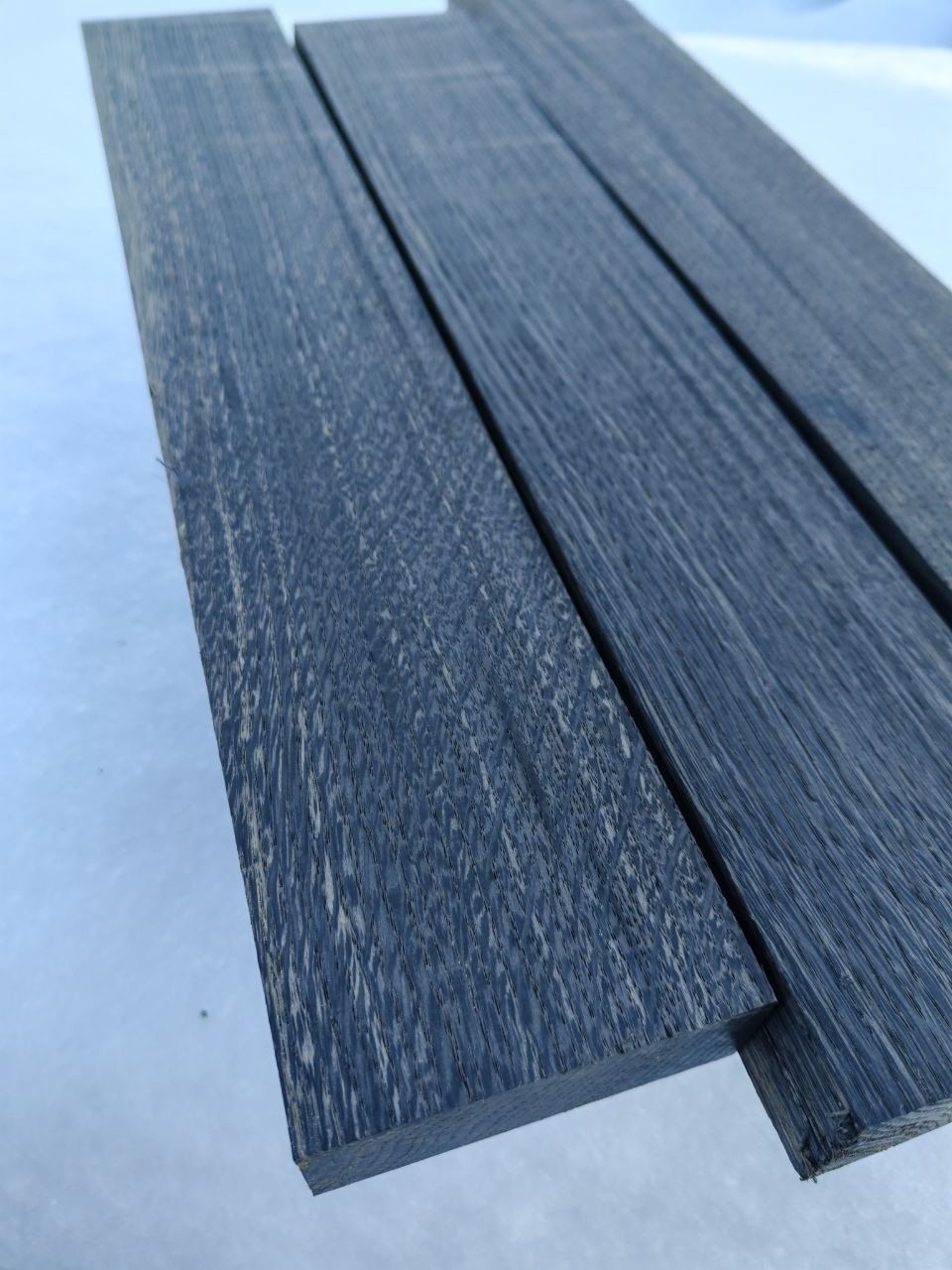
• Black with silver or steel-blue highlights
No two pieces are exactly alike.
Each block of bog oak carries a unique record of the environment in which it was preserved.
How Old Is Bog Oak?
The age of bog oak varies greatly.
Typical material may range from several hundred to several thousand years old.
In some regions, recovered bog oak has been scientifically dated to more than 7,000 years old.
Many of the finest pieces available today began their journey long before recorded history and, in some cases, during the same era that mammoths inhabited North America and Eurasia.
Where Is Bog Oak Found?
Authentic bog oak is typically recovered from:
• River bottoms
• Ancient river channels
• Peat bogs
• Wetlands
• Former lake beds
Locating quality bog oak is a highly specialized process.
Experts survey riverbeds and submerged deposits before divers and recovery crews carefully extract the ancient logs.
The recovery process is expensive, time-consuming, and often unpredictable.
Many recovered logs are unsuitable for premium applications due to cracks, internal stress, or hidden defects.

Why Is Bog Oak Considered a Premium Material?
Extremely Rare
Bog oak is not a renewable resource.
Every recovered log represents centuries or millennia of natural preservation.
Once harvested, that material can never truly be replaced.
Unique Appearance
Each piece features its own grain structure, coloration, and figure.
No two knife handles will ever look exactly the same.
Historical Significance
Few materials allow craftsmen to work with wood that predates modern civilization.
Bog oak offers a tangible connection to ancient history.
Natural Durability
Properly processed bog oak is known for its density, strength, and resistance to biological decay.
Why Knife Makers Love Bog Oak
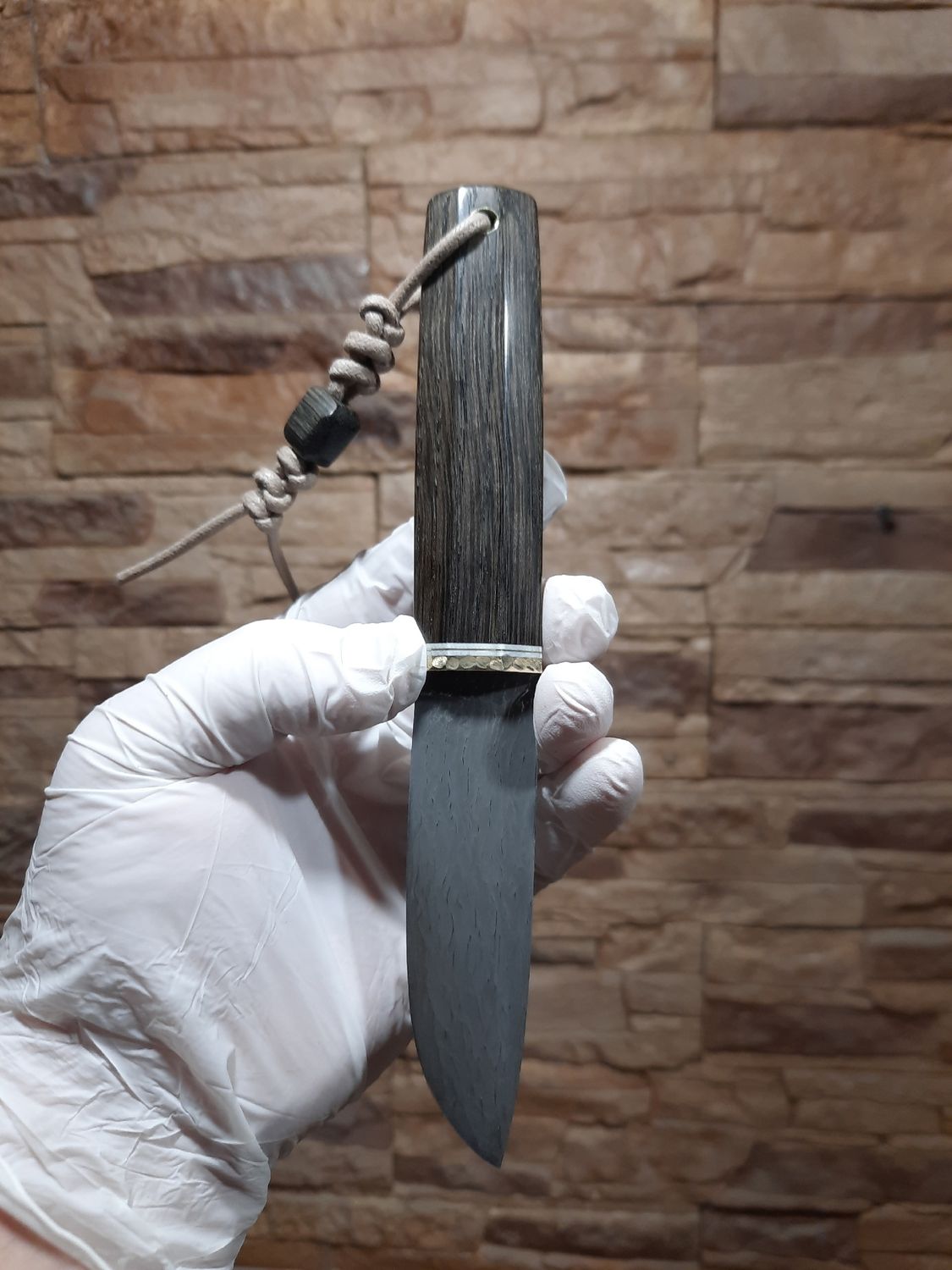
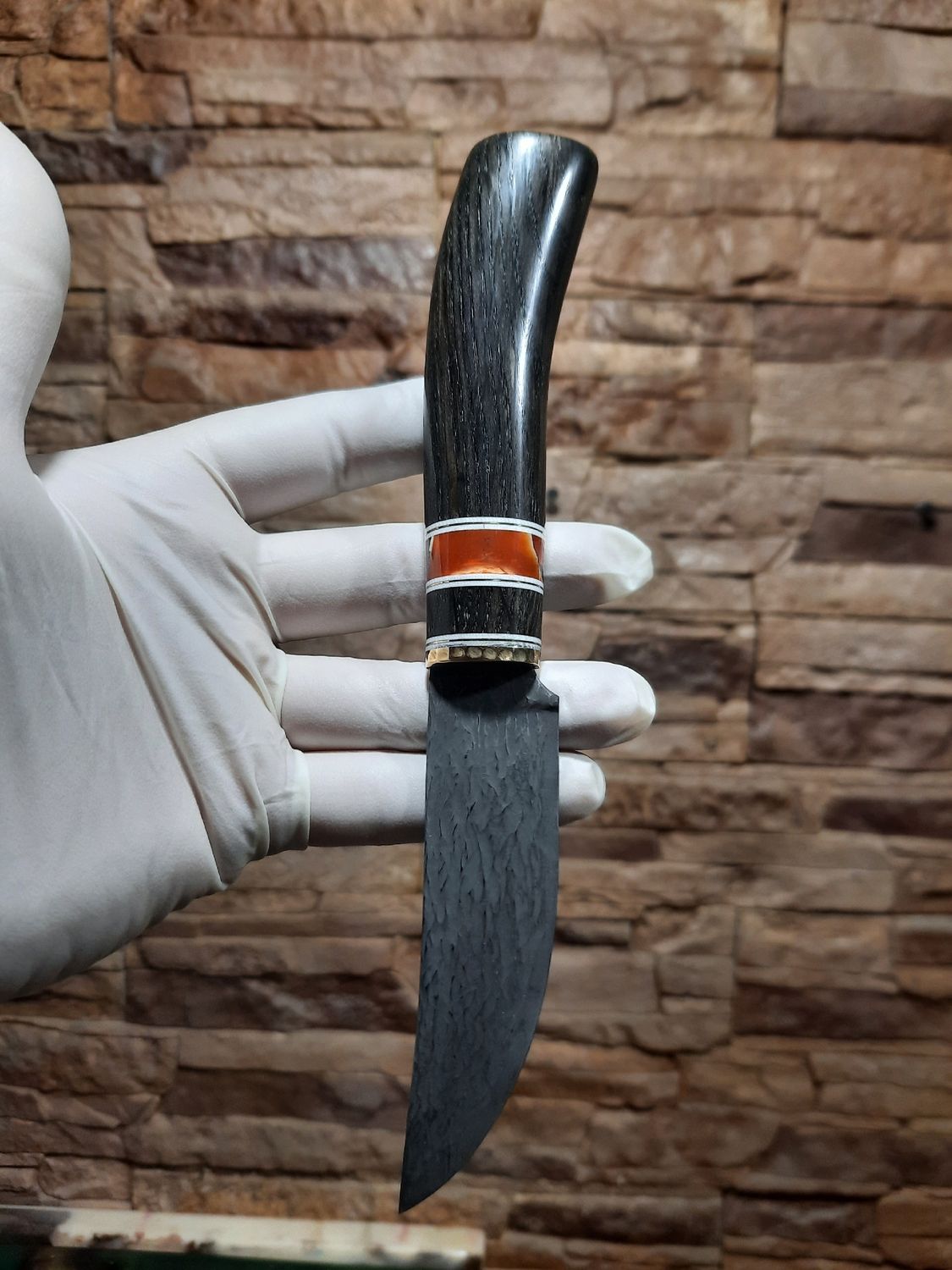
Bog oak has become one of the most desirable handle materials in the custom knife industry.
Timeless Black Color
The rich dark appearance pairs beautifully with:
• Damascus steel
• Mosaic pins
• Titanium hardware
• Mokume-gane fittings
• Premium laminated steels
The contrast creates an elegant and sophisticated look that appeals to collectors.
Every Handle Tells a Story
Unlike modern hardwoods, bog oak carries centuries or even thousands of years of history within every piece.
Collectors appreciate the fact that each handle is made from a material that existed long before the modern world.
Excellent Performance
When properly stabilized, bog oak becomes:
• More resistant to moisture
• Less susceptible to movement
• More durable in daily use
• Easier to finish and polish
Why Stabilization Matters
Not all bog oak is identical.
The characteristics of the wood depend heavily on:
• Water chemistry
• Iron content
• Sediment composition
• Length of burial
• Environmental conditions
Some pieces are extremely dense and heavy.
Others may be lighter and more brittle.
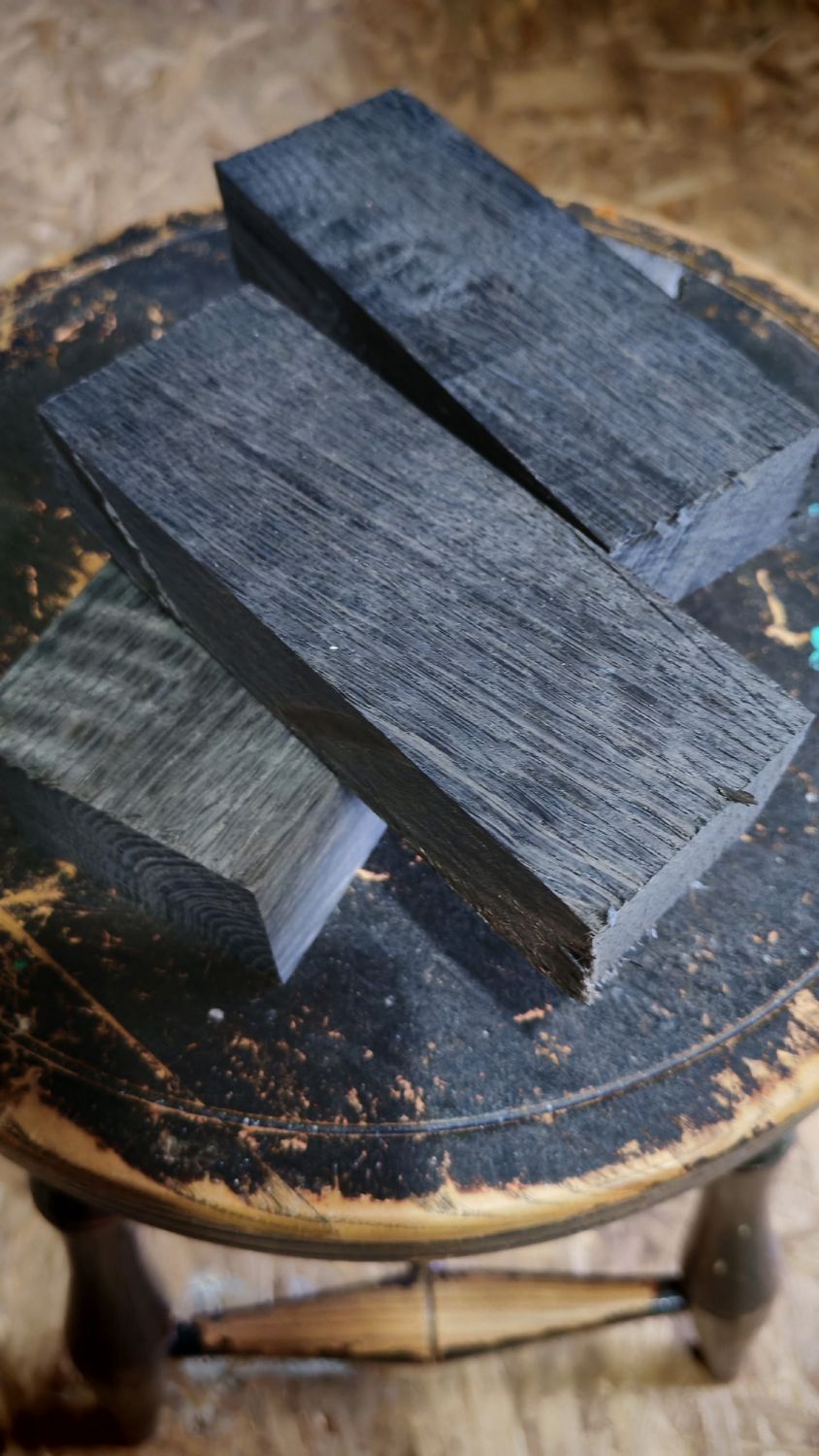
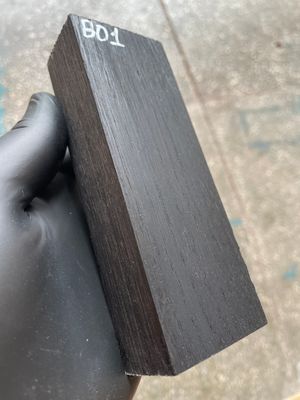
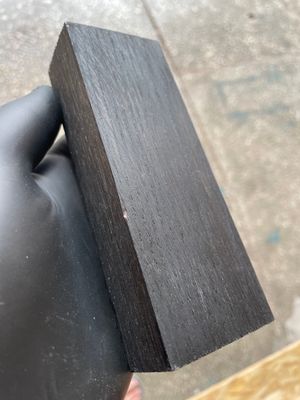
Professional vacuum stabilization fills the wood's pores with resin, significantly improving durability and dimensional stability.
For premium knife handles, stabilized bog oak is generally considered the best option.
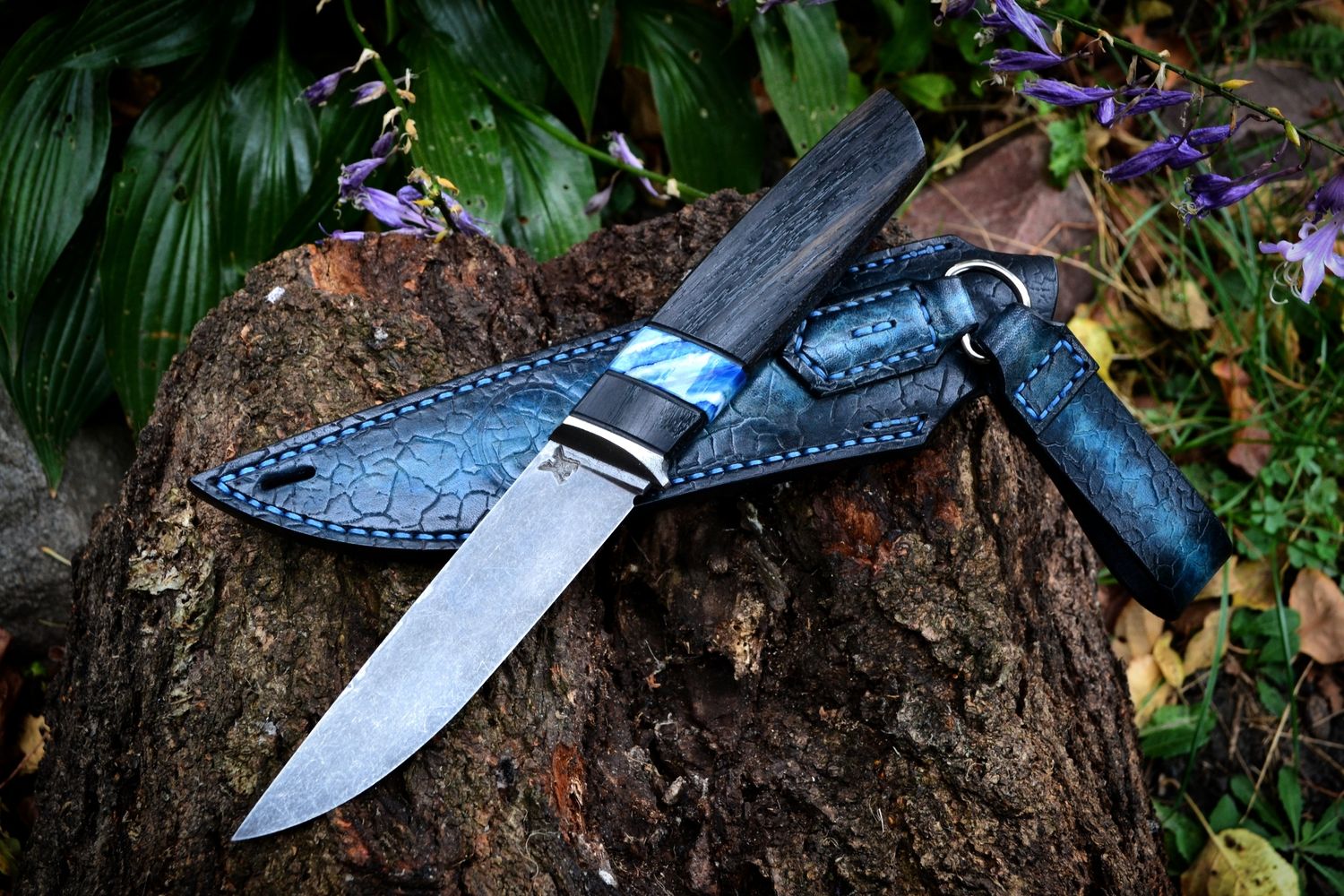
Bog Oak and Mammoth Ivory: A Perfect Combination
Among high-end knife materials, few combinations are more striking than bog oak and mammoth ivory.
The deep black tones of ancient oak create a dramatic contrast against the natural blues, creams, golds, and browns found in mammoth ivory and mammoth tooth.
Because both materials originate from the Ice Age, they share a unique historical connection that resonates strongly with collectors.
The result is a knife handle that combines prehistoric history, natural beauty, and premium craftsmanship.
Conclusion
Mammoth Bog Oak is far more than wood.
It is a natural artifact shaped by centuries or thousands of years beneath water and sediment.
Its rarity, rich black coloration, fascinating history, and outstanding appearance make it one of the most desirable materials for custom knife handles.
Every block of bog oak is unique, ensuring that every finished knife becomes a truly one-of-a-kind piece.
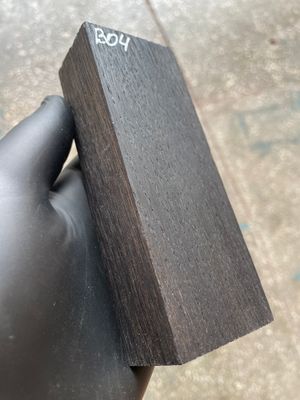
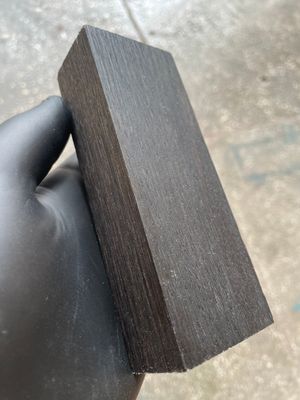
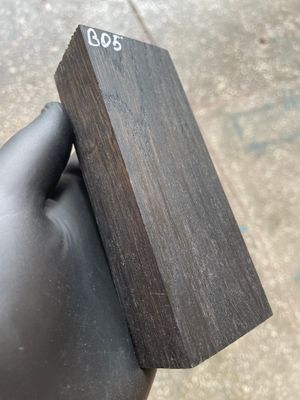
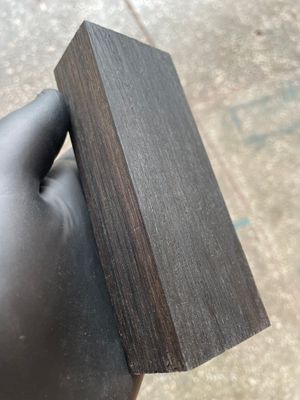
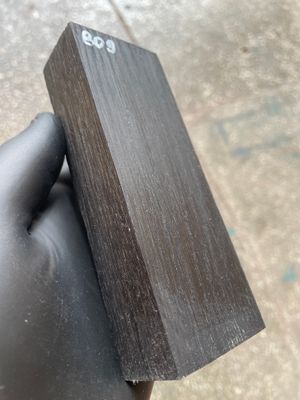
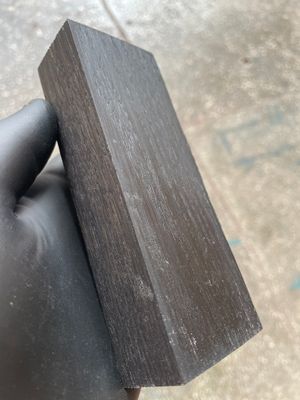
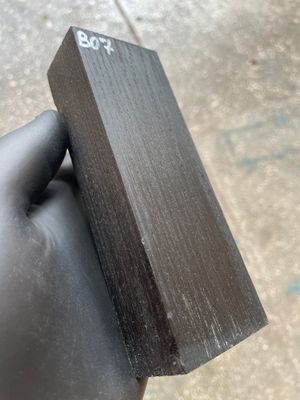
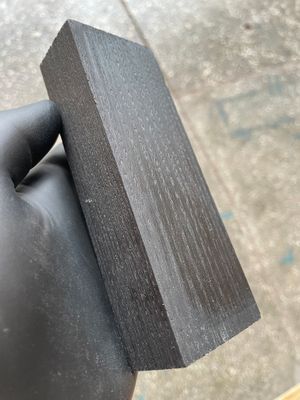
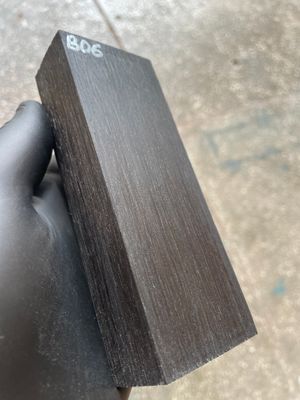
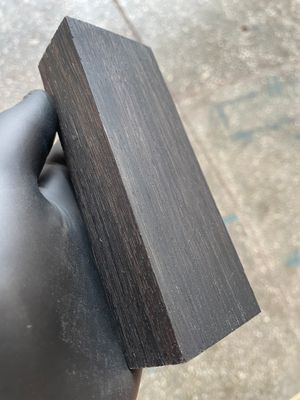
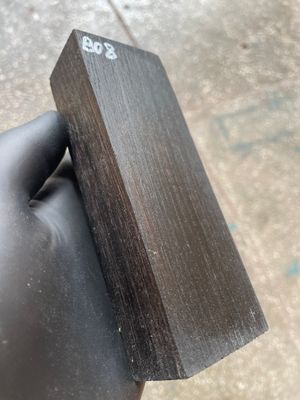
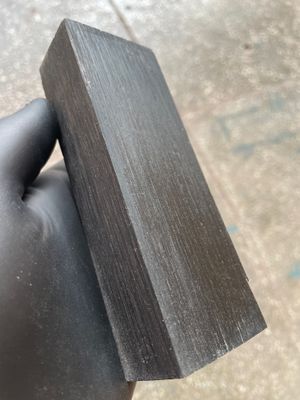
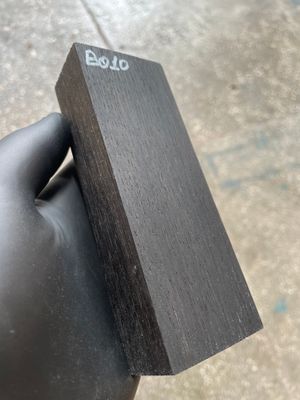
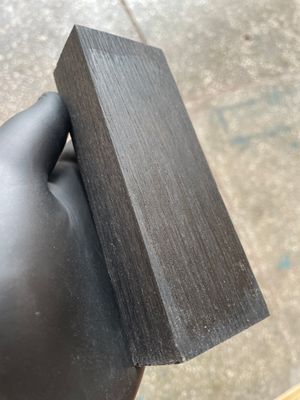
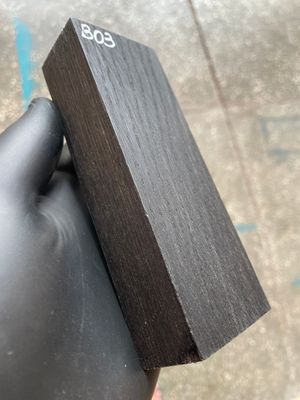
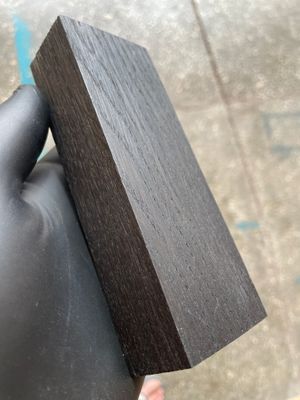
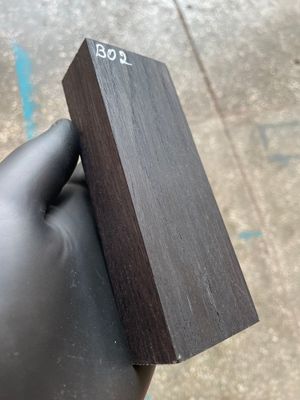
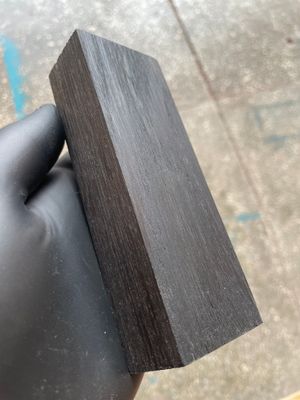
Stabilized Bog Oak Block For Sale:
Frequently Asked Questions
What is Mammoth Bog Oak?
Mammoth Bog Oak is ancient oak wood preserved underwater for hundreds or thousands of years, often dating back to the same prehistoric era as mammoths.
How old is bog oak?
Most bog oak ranges from several hundred to several thousand years old. Some specimens have been dated to more than 5,000 years.
Why is bog oak black?
The dark color develops naturally when tannins in the oak react with iron compounds in water and sediment over long periods.
Is bog oak rare?
Yes. Authentic bog oak is considered one of the rarest natural woods available for knife handles and fine woodworking.
Why is bog oak expensive?
Its value comes from limited supply, difficult recovery, lengthy drying processes, and the uniqueness of each piece.
Is stabilized bog oak better for knife handles?
Yes. Stabilization improves moisture resistance, durability, and dimensional stability, making it ideal for custom knives.
Does bog oak work well with Damascus steel?
Absolutely. The dark color of bog oak complements Damascus patterns exceptionally well.
Can bog oak be artificially created?
No. While ordinary oak can be chemically darkened, genuine bog oak requires centuries or thousands of years of natural preservation.
Is bog oak fossilized wood?
Not completely. It is ancient preserved wood rather than fully petrified wood, retaining its natural wooden structure.
Why do collectors value bog oak?
Collectors appreciate its rarity, prehistoric age, unique appearance, and connection to ancient history.