
Where Can You Buy Stabilized Mammoth Tooth and Tusk Knife Block and Scales?


05.16.2026
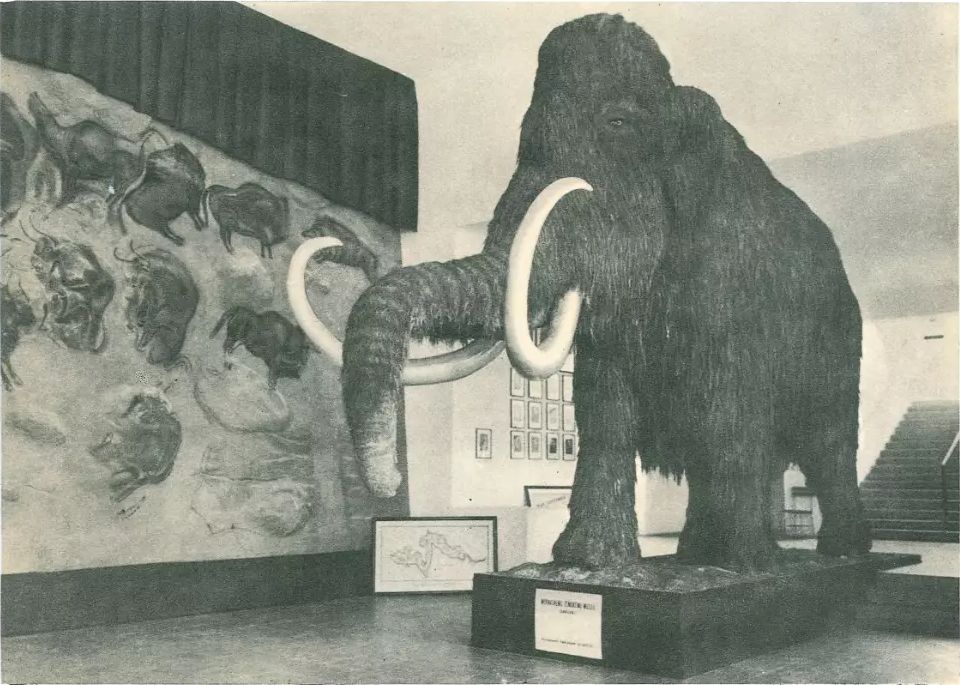
When people hear the word “mammoth,” they usually picture an enormous shaggy animal wandering somewhere across frozen plains under heavy snowfall. That image is familiar to almost everyone. Yet the real story of mammoths is far more detailed than the simplified version most people know from films or illustrations.


Scientists originally gave the mammoth the Latin name Elephas primigenius. Later, another scientific name became widely used – Mammuthus primigenius. This happened because paleontology follows a strict naming principle: once a fossil species receives an official scientific description, that designation often remains connected to it throughout scientific history.


Despite their prehistoric appearance, mammoths were not some mysterious separate branch of life unrelated to modern animals. They belonged to the order Proboscidea – the same biological group that includes modern elephants.


Today only two major representatives of this ancient order remain alive:


• Asian elephants  – animals adapted to humid forests and tropical regions with dense vegetation;

• African elephants – the largest modern land mammals capable of surviving in extremely demanding environments.


Thousands of years ago, however, the situation looked completely different. Proboscideans once spread across enormous territories throughout Europe, Asia, Africa, and North America. Numerous species existed simultaneously, occupying very different ecological niches. Modern elephants are only the last surviving fragments of what used to be a much larger and more diverse evolutionary family.

Restoration of a life-size mammoth (Mammuthus primigenius). Photograph from the archives of the Moravian Museum in Brno.